Cross-party UK politicians urge Defra to urgently enact foie gras ban

MPs from political parties up and down the UK have joined Animal Equality in urging Environment Secretary, George Eustice MP, and Animal Welfare Minister, Lord Zac Goldsmith, to outline specifically when and how the Government plans to ban the importation of foie gras made by force-feeding.
Despite Defra (the Government’s Department for Environment, Food and Rural Affairs) sources announcing just weeks ago that the UK is looking to enact a ban ‘in the next few months’, leading political figures remain sceptical. In response to this public statement, representatives from parties across Wales, Scotland, Northern Ireland and England have signed onto an open letter tackling the matter. Coordinated by Animal Equality, signatories call for a concrete roadmap to be shared, so “this positive promise becomes a reality.”
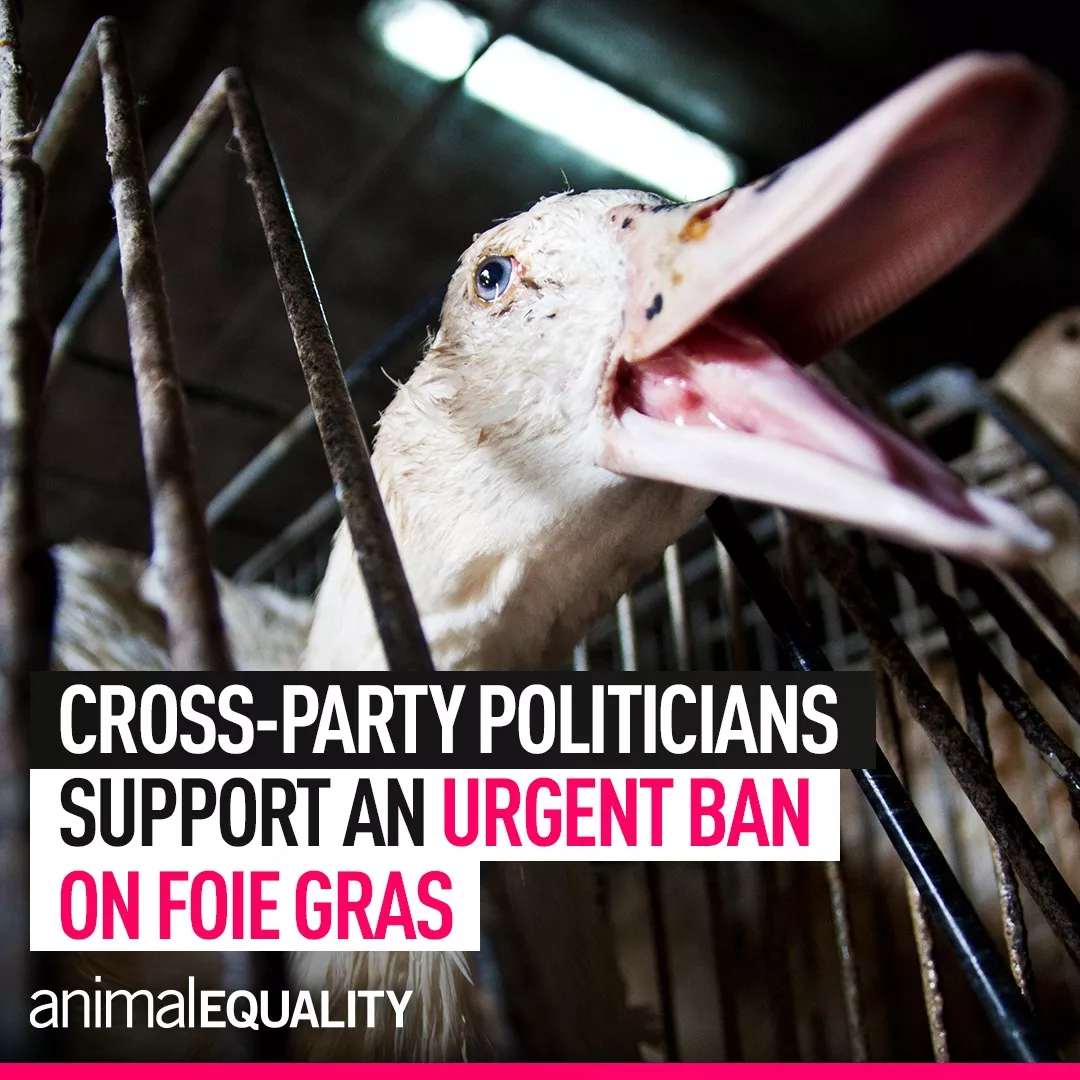
With endorsement from Labour MP Hilary Benn, SNP MP Dr Lisa Cameron, Liberal Democrat MP Wera Hobhouse, Plaid Cymru MP Ben Lake, Green Party MP Caroline Lucas, and DUP MP Jim Shannon, policy-makers of varying political persuasions have joined together to end “torturous treatment for this cruel product.”
The call is also endorsed by prominent Conservative Party figures, who have been campaigning on this topic for some time, including MPs Henry Smith, Sir David Amess and Rt Hon Sir Mike Penning, who have respectively hosted a House of Commons reception and submitted Early Day Motions calling for the product to be banished from British shores.
“This is very welcome news and I am pleased to see that action is being taken. Foie gras is an immensely cruel product which causes a huge amount of animal suffering. We cannot rightly think of ourselves as a nation of animal lovers whilst still selling foie gras, which is why I am joining Animal Equality’s call to implement a ban on foie gras imports and sales as soon as possible!”
Dr Lisa Cameron MP
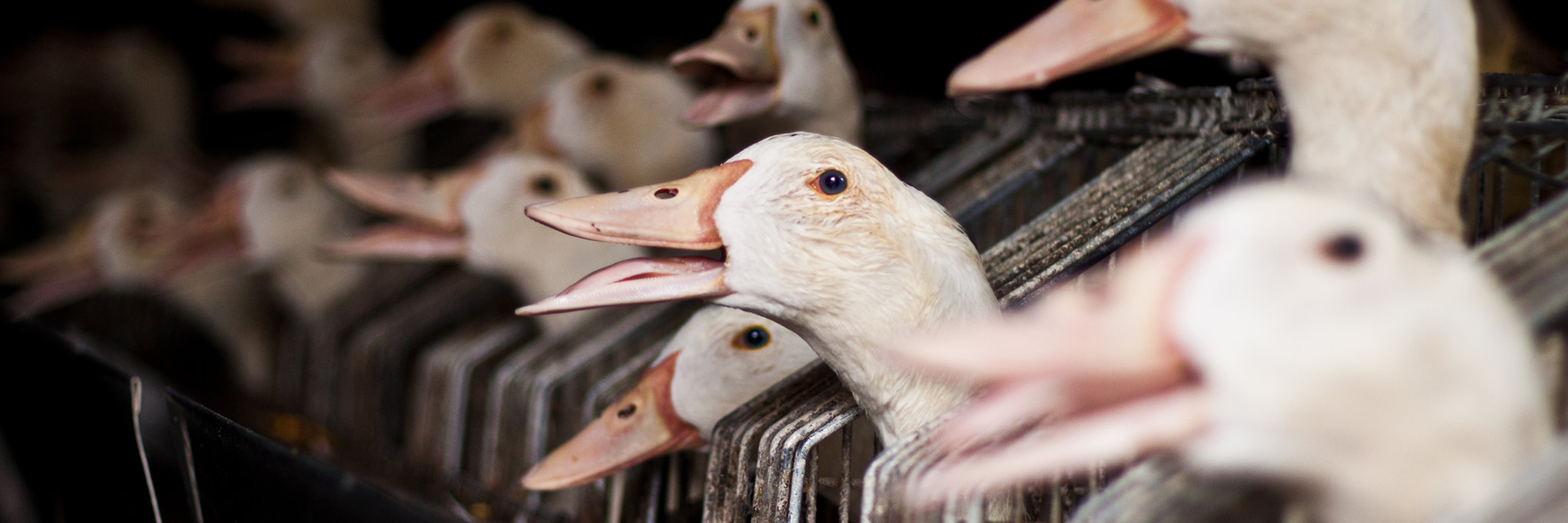
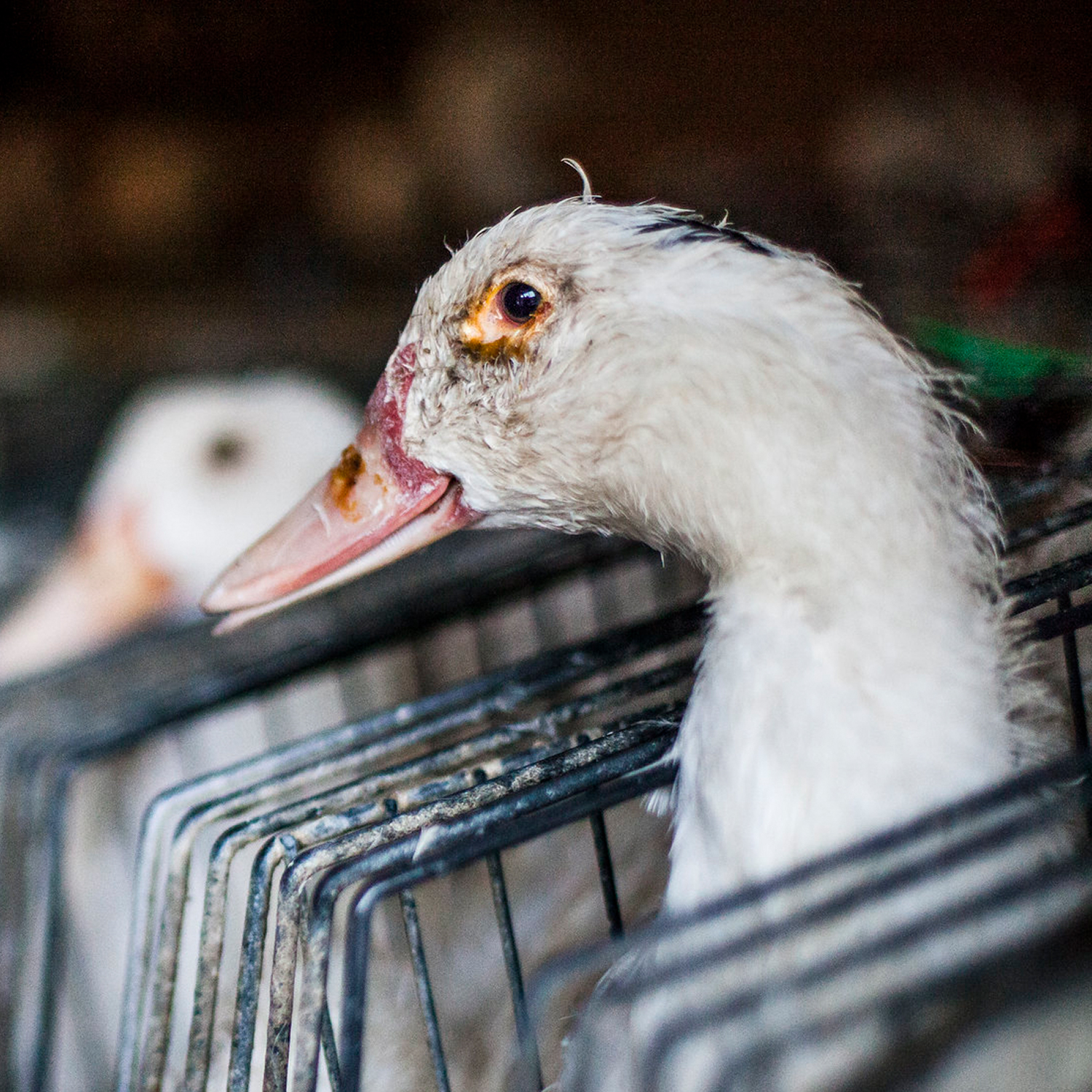
The foie gras force-feeding process – also known as gavage – involves forcing a tube down the throats of terrified ducks and geese, to funnel inside of them larger amounts of food than they would ever willingly ingest. There is an abundance of scientific evidence, including a study conducted by the University of Cambridge in 2015, showing that foie gras production by force-feeding generates severe physical and psychological pain for the animals involved, not only exclusively when the tube is inserted in their throats, but also during other times throughout their short lives. The production process causes their livers to swell to up to ten times their natural size, at which point the animal is slaughtered and their diseased liver is sold and marketed as foie gras.
Force-feeding is currently illegal in the UK under the Animal Welfare Act (2006), as well as The Welfare of Farmed Animals Regulations (across England, Northern Ireland, Scotland and Wales). Despite this, the UK allows around 200 tonnes of foie gras to enter its shores each year. An importation ban would spare an estimated 250,000 birds from suffering every year.
More animals will continue to suffer the longer it takes for this ban to finally be written into law. We must hold the government to account to ensure that 2021 is the year that the UK finally ends its support for this cruel industry.
Find out more and take action:
You can read the open letter here.
To take part in upcoming actions to help us achieve the ban on foie gras, and get involved in other campaigns too, join our community of Animal Protectors!