Disturbing footage emerges showing lice-covered Scottish salmon with missing faces
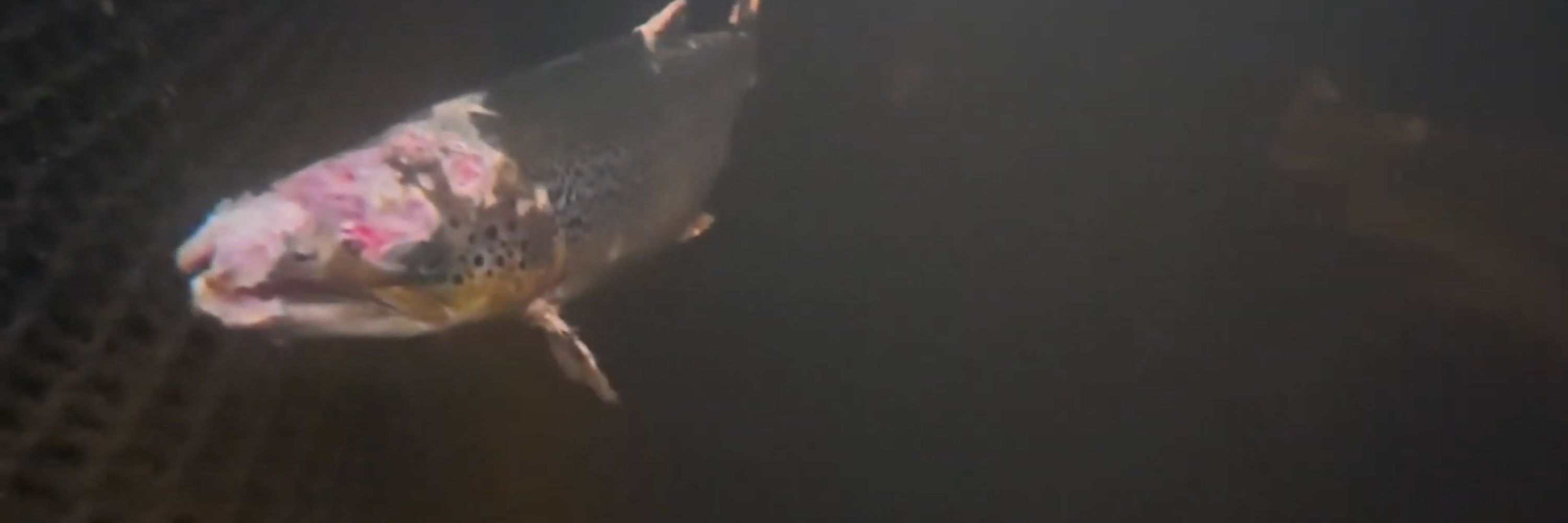
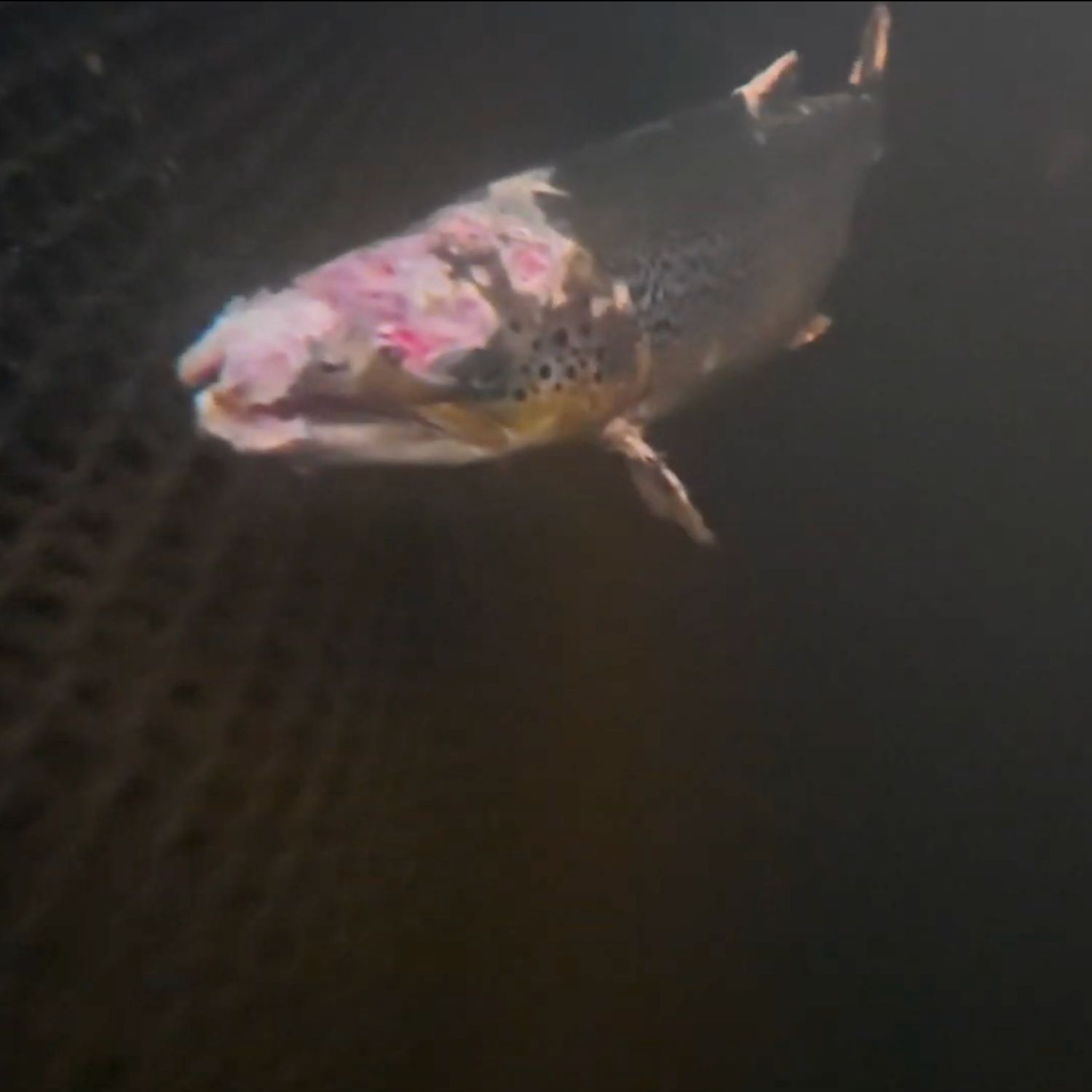
Animal Equality has published footage from a Scottish salmon farm, captured in late 2025, revealing fish with severe facial wounds and disfigurement, deformed spines, lice infestations, untreated wounds, and blindness. The West Strome site is operated by major salmon producer Bakkafrost and is RSPCA Assured.
“Some of the worst head damage” ever seen
Dr Mark Borthwick, an innovative agriculture specialist and OOCDTP fellow, focuses on on-farm behaviour change in salmon farming. Formerly Head of Research at the Aquatic Life Institute, he has contributed to fish welfare legislation in a number of policy environments, including the UK APPG for Animal Welfare, Holyrood, the Biden Administration, Global GAP, and the European Commissioner. Describing the footage as “some of the worst head damage” he has ever seen, he expressed surprise that some of the animals have not yet been euthanised. He describes how some salmon are suffering from necrosis – emerging from high fungal or bacterial pressure – and that in several cases it “is so advanced fish appear to be swimming without a head”.
Ulcers, blotching, and lesions
He went on to describe that fungal disease is likely due to physical trauma and poor water quality, stating that “all these fish have a pattern of damage to the nape of the head and down the spine, likely due to mishandling. Improperly adjusted impellers or abrasive surfaces while being moved can cause this kind of damage.” Other fish are visibly suffering from ulcers, white blotching, and lesions.
Dr Borthwick continues, identifying a fish with extensive damage to its dorsal fin and tail, which he believes is due to a “combination of saddleback legions and tail deterioration that could be indicative of Columnaris disease, an infection of a flavobacterium. This tends to be comorbid with poor water quality, stress, and fungus – and one can serve as a secondary infection to the other – so it is hard to say for certain”. Dr Borthwick warns that fungus or bacteria of this type is likely to spread between the cages.
Lice infestations
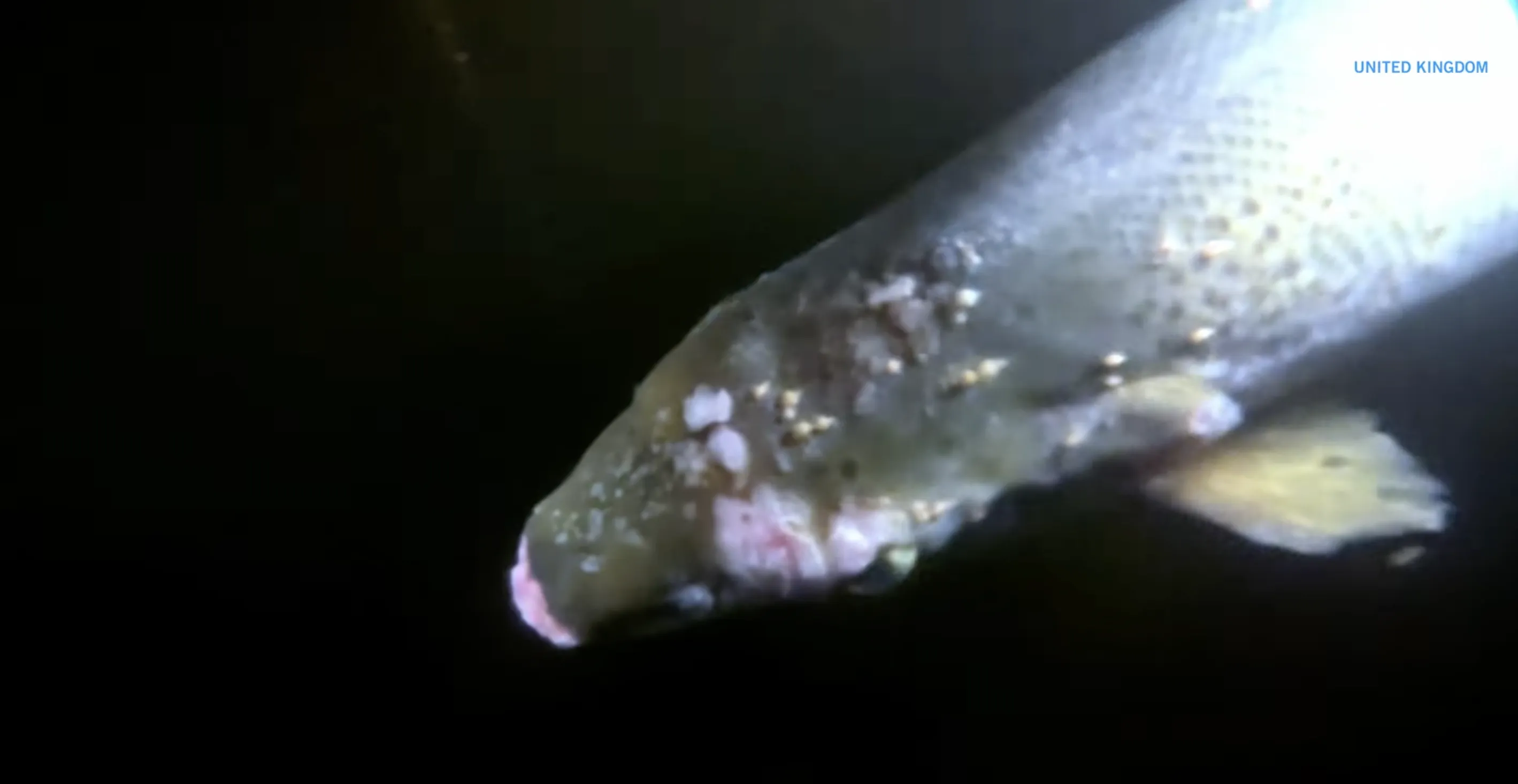
The footage obtained by Animal Equality also shows a cottony growth on some animals’ heads, indicative of bacteria, fungus, or both, as well as damage to the fore side of the pectoral fins. “Some damage to the nose and head is fairly common, due to a combination of lice damage, mechanical damage, and immunoinsufficiency”, Dr Borthwick says.
Another salmon has a broken or deformed spine, as seen by the ‘s’ shape in the ridge of its back. The animal’s unusual swimming pattern (corkscrew) can be indicative of diseases affecting the swim bladder, or neurological disease, but it is also possible it is due to its spinal damage.
Sea lice can be seen throughout the footage, in some cases far more than the legal limit for intervention of six female lice. Dr Borthwick argues that “these fish are well past the point of legally requiring medical intervention on lice grounds.” “Lice typically gravitate to the head of the salmon because the skin is thin with high blood flow, which attracts the parasites.
Flesh-eating sea lice are rife within Scottish salmon farms. Publicly available data analysed by Animal Equality UK indicate that nearly one-quarter of active salmon farms are in breach of the industry’s own lice Code of Good Practice. The organisation discovered hundreds of weekly breaches in 2025, many during the months when juvenile wild salmon and trout are migrating from rivers to sea – their most vulnerable life stage. In 2025, during the sensitive period, there were 623 weekly reports where lice counts exceeded the 0.5 threshold. There were also 464 instances where no count was carried out. All four of the major salmon farm companies operating in Scotland had sites where counts repeatedly went well above the threshold:
- Bakkafrost, Gob a Bharra farm: lice counts went over the threshold for 12 weeks, peaking at a level nearly eight times above it in June
- Scottish Sea Farms, Dunstaffnage farm: every weekly lice count between February-June was above the permitted threshold, except two
- Cooke Aquaculture, Chalmers Hope farm: every weekly lice count was above the permitted threshold during the sensitive period
- Mowi, Loch Leven farm: this farm saw a highest count of 7.7 in June, over 15 times higher than the threshold
Animal Equality instructed a legal team to submit a formal complaint to the Animal and Plant Health Agency in Scotland.
Abigail Penny, Executive Director of Animal Equality UK, said:
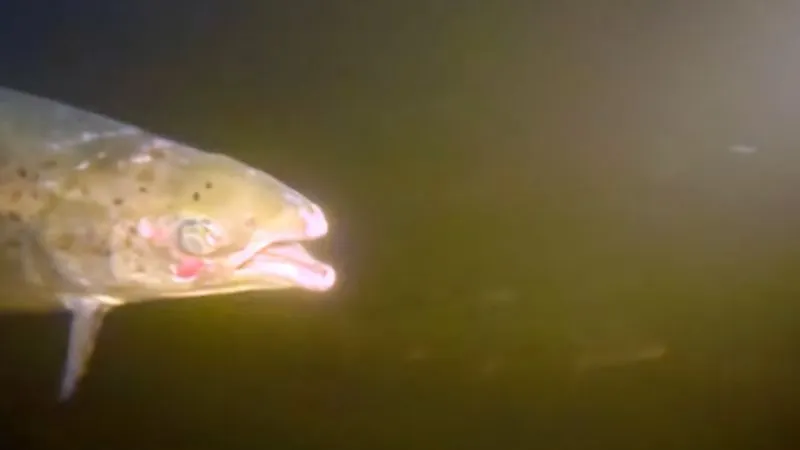
These faceless fish have been eaten alive by lice or disease, it’s a wonder they’re still alive at all. A deluge of harrowing footage has emerged over recent months showing similar scenes on farms operated by suppliers linked to M&S, Tesco, Sainsbury’s and Waitrose. The industry can boast all it likes about certifications and accreditations, but shoppers will find it hard to shake the haunting images of blind, deformed fish covered in parasites. Public trust in the industry is rapidly eroding. More people are recognising that caging migratory animals is inherently cruel and feeding them wild-caught fish is environmentally irresponsible.
A string of scandals
This latest footage follows a string of exposés linked to other major supermarket chains. At Aird farm, operated by Bakkafrost, the site was declared empty but dozens of fish were discovered covered in lice; Tesco suspended the site as a result. Over a three month period, footage was also obtained from three farms operated by suppliers to M&S and Sainsbury’s; salmon were wounded, blind, and lice were visible on their bodies.
Urgent action required
In early 2025, the Scottish Parliament’s Rural Affairs and Islands Committee published a report following a nine-month inquiry into the Scottish salmon farming industry, following a similar inquiry in 2018, prompted due to environmental and welfare concerns posed by the industry. The Committee referenced concerns about the ‘long-term viability’ of the Scottish salmon industry and issued a series of urgent recommendations. Animal Equality is urging the Committee to recommend a halt to the industry’s expansion, since progress has not been made over the past 12 months.

Thank you so much for signing the petition. Small actions like this add up and change the world!
Farmed fish are often forgotten, but you can lend your voice to speak up for them. Please help by sharing this petition with your friends and social media followers.
Thank you again for your support – it will make a huge difference for animals.
Our brave investigators work incredibly hard to expose animal abuse so that, together, we can end it. Make a donation today to help keep them in the field.
Take a stand to help fish. Sign now!
Protect Fish
Scientists confirm that fish feel pain and suffer. Protect these sensitive beings by choosing plant-based alternatives to animal food products.