“Utterly shameful”: Scottish salmon farms saw 35 million deaths over a three year period, but received just two unannounced inspections
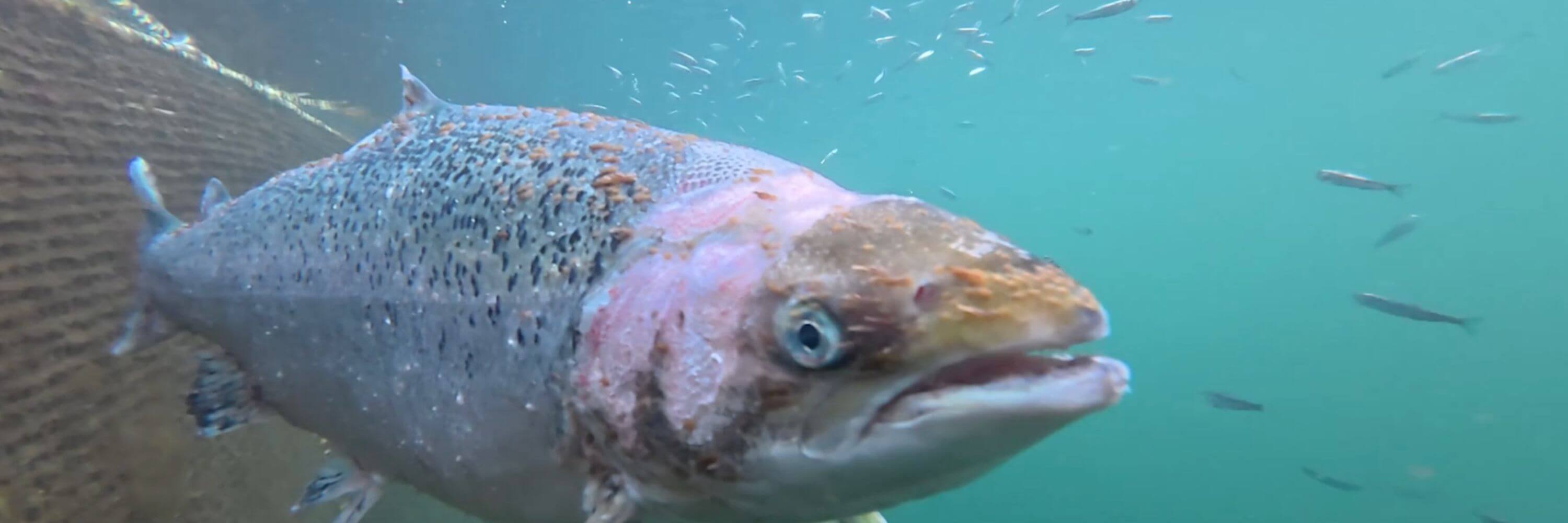
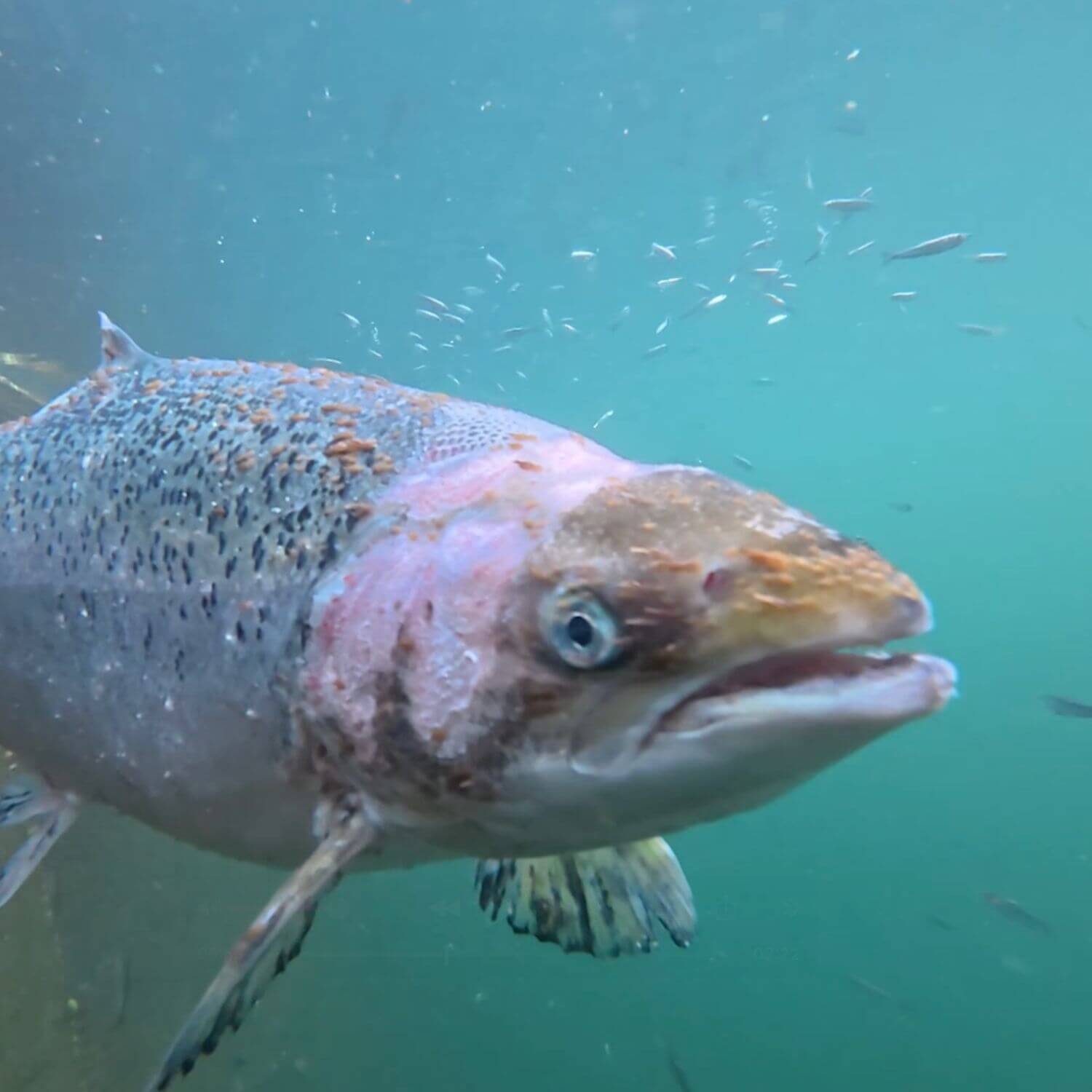
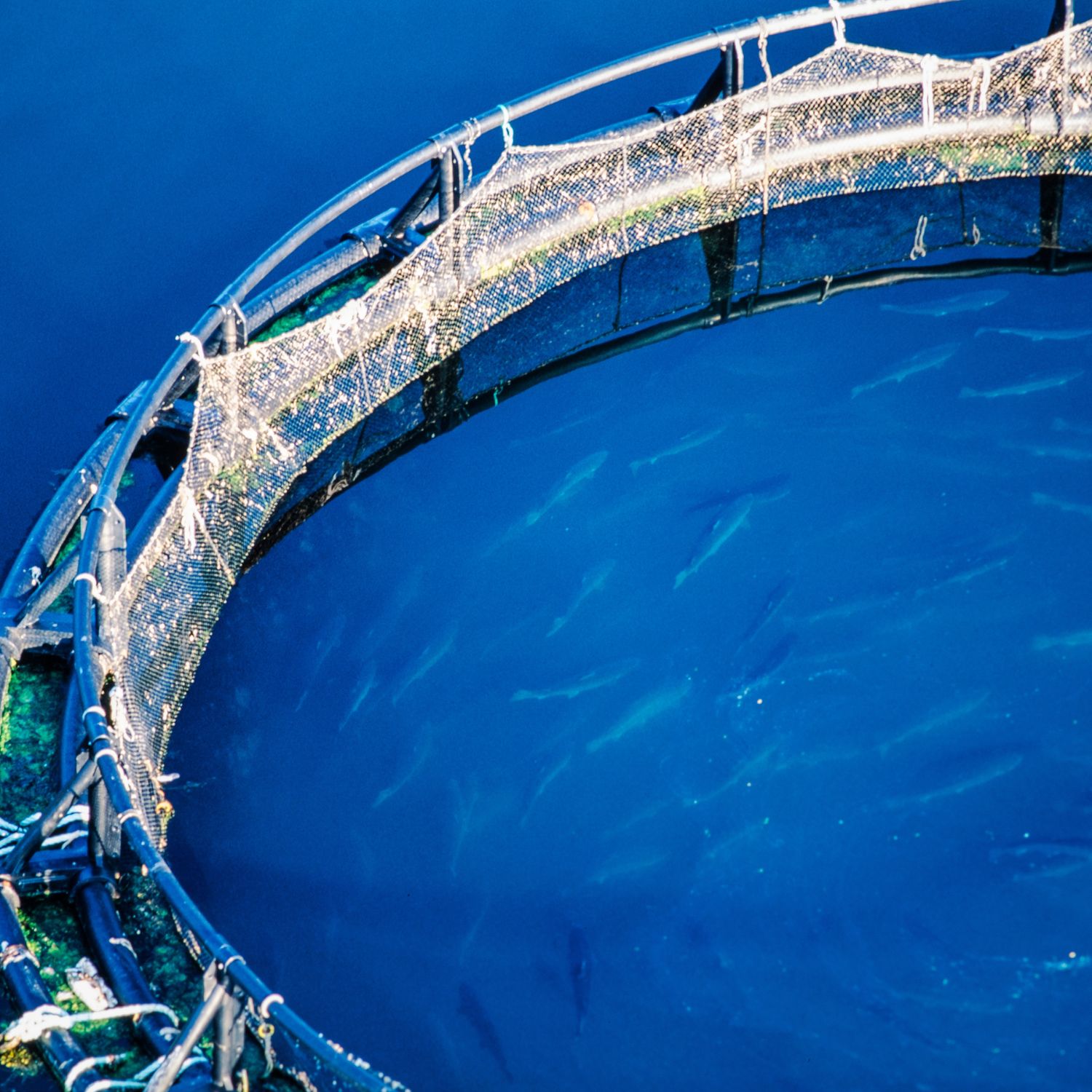
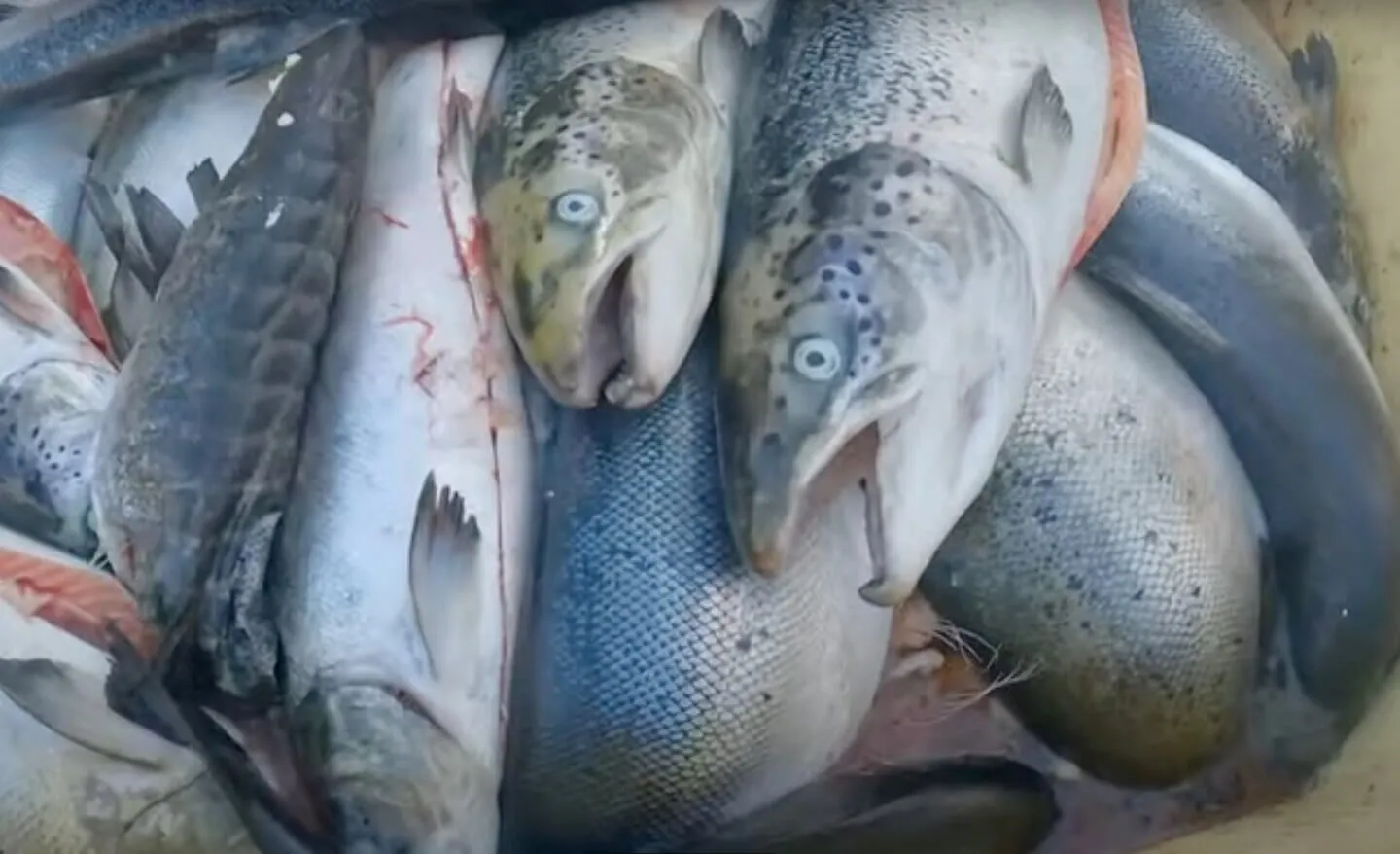
Between 2023 and 2025, a total of 35,867,788 salmon deaths were officially reported on Scottish farms. The true figure is likely far higher due to significant reporting loopholes. Fish that are culled, die during transport, perish within their first six weeks at sea, or are used as so-called ‘cleanerfish’ are excluded from official mortality figures. Estimates suggest that at least seven million cleanerfish have died on Scottish salmon farms since 2020 alone.
Deaths in onshore hatcheries reached record levels in 2024, with more than six million fish reported dead. At Applecross Hatchery – which received up to £5 million in public funding and was described by the Cabinet Secretary as delivering “improved fish health and welfare” – more than nine million fish have died since 2022. Freedom of Information disclosures show that over 1.3 million fish were culled in a single week at the site.
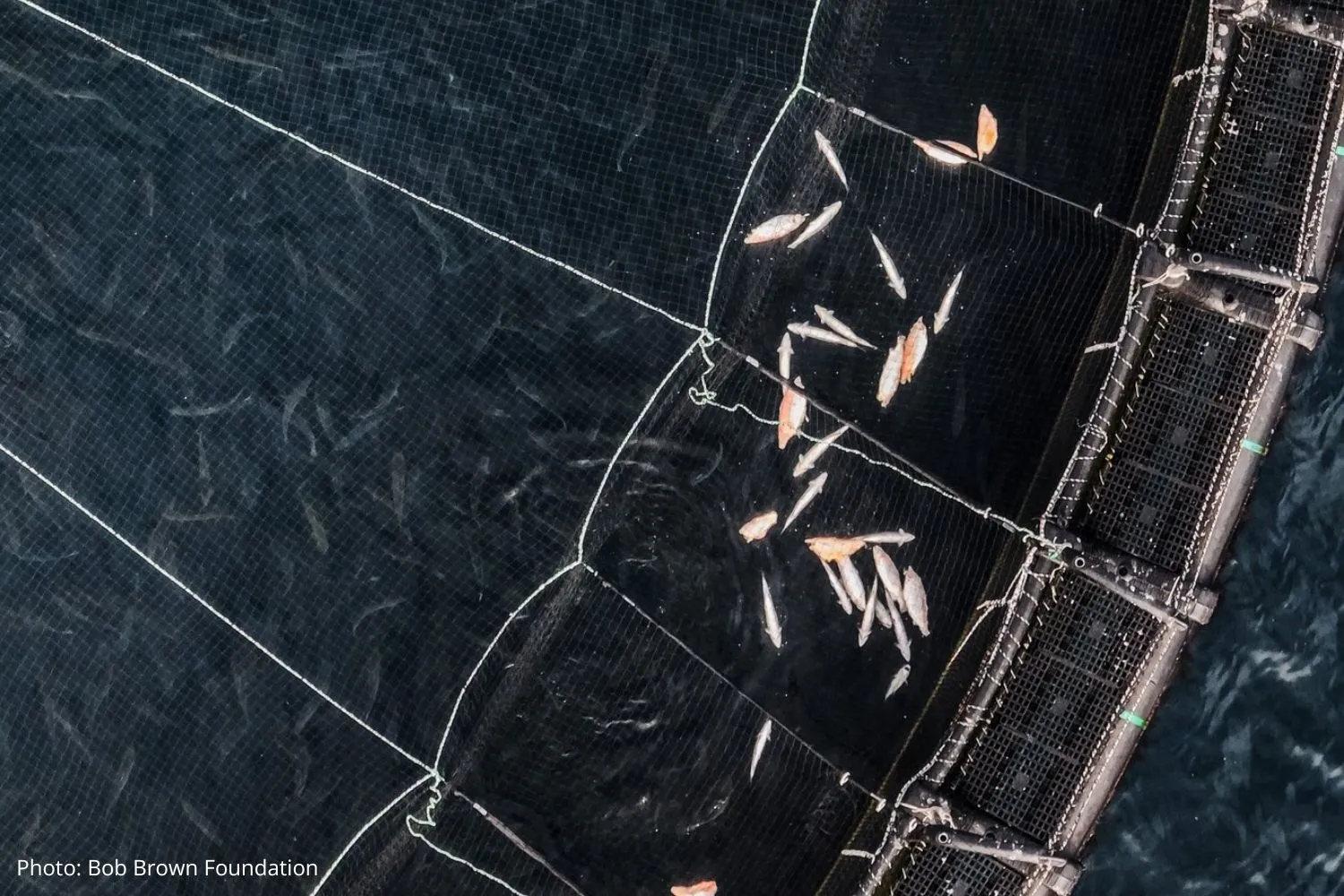
Credit: Photo by Bob Brown Foundation
In December 2025, during Scottish Parliamentary oral questions, Cabinet Secretary Mairi Gougeon stated: “I emphasise that we have a really robust regulatory regime when it comes to finfish aquaculture.” These latest figures sharply call that claim into question.
Despite high mortality levels, regulators responsible for policing the industry conducted few inspections – and even fewer without advance warning – leading some to describe the system as “shamefully inadequate”.
The Scottish salmon farming industry has faced mounting losses in recent years, with fish succumbing to disease, lice infestations, predation, jellyfish blooms, extreme weather and warming waters. Alongside this, the sector has been embroiled in a series of high-profile scandals.
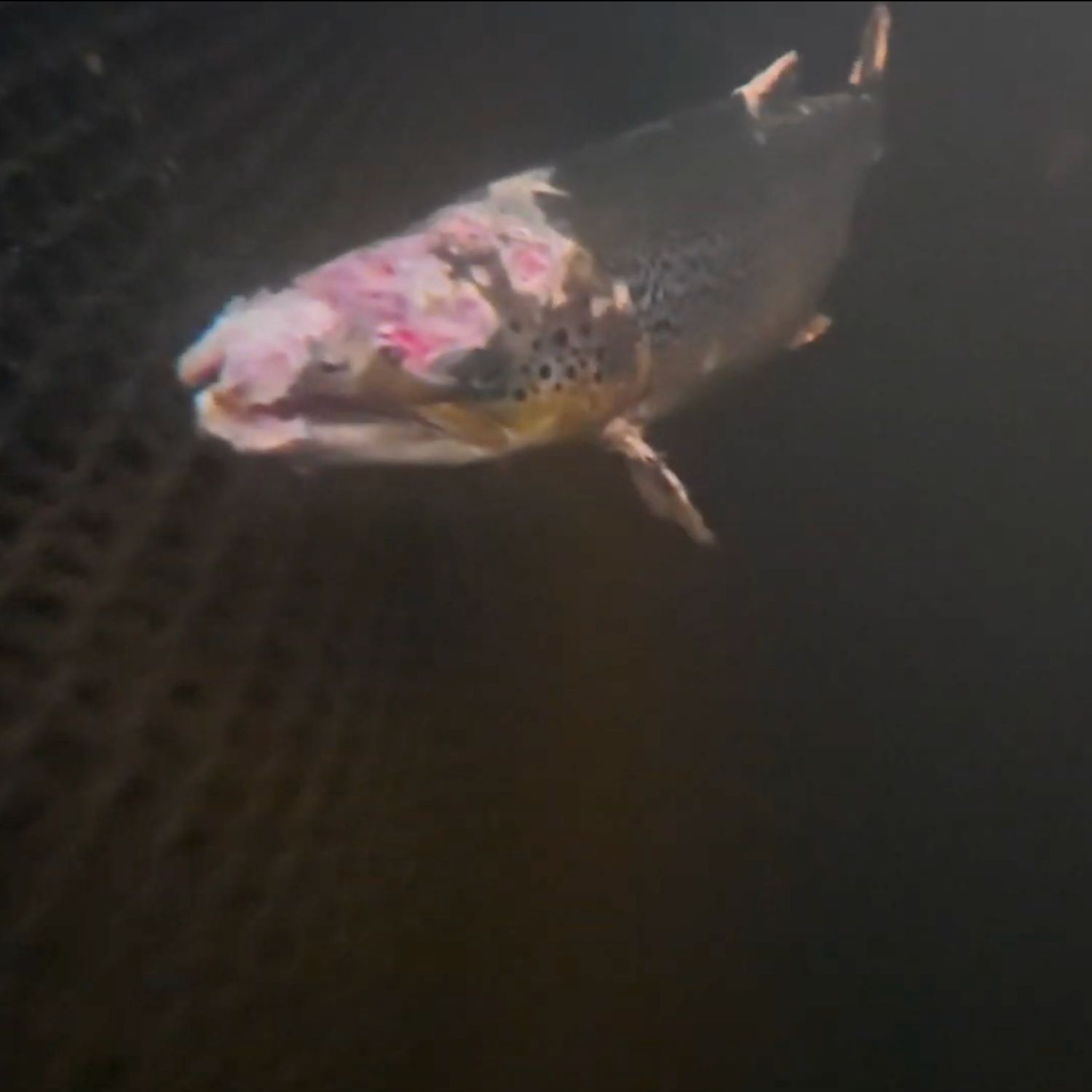
Animal Equality investigations uncovered salmon heavily infested with lice and seemingly abandoned at a Bakkafrost site falsely declared ‘fallow’. Separate footage showed fish being beaten to death at a Mowi-operated farm, prompting the company to lose its Royal Warrant after 35 years. The industry also admitted it had underreported antibiotic use by 66%, while Scottish Sea Farms’ Barcaldine hatchery was found to have discharged illegally high levels of toxic formaldehyde and bronopol into local lochs for 117 consecutive days. Official data further shows that nearly one quarter of active salmon farms breach the industry’s own lice Code of Good Practice at any given time.
According to the Scottish Government’s website, the Fish Health Inspectorate (FHI) – the statutory regulator for fish health and welfare – has a legal obligation under EU Regulation 2017/625 to conduct unannounced inspections. Yet none were carried out in 2023 or in 2025 (January-September), and just two were recorded in 2024.
Although the Scottish Government states that inspectors should be given assistance during these visits, an attempted unannounced inspection of Scottish Sea Farms’ Barcaldine Hatchery in 2022 did not go ahead after staff refused access, citing biosecurity concerns.
Responsibility for enforcing welfare legislation lies with the Animal and Plant Health Agency (APHA). Between 2023 and 2025 (January-October), APHA inspected just 21 of Scotland’s 213 active salmon farms. In 2023 – a year in which 16.5 million salmon deaths were reported – APHA conducted only three inspections. None of the 20 worst-performing sites, which together accounted for more than 10 million deaths, were inspected. Mowi’s Inchmore site, where three million fish died over three years, received no inspections at all.
When asked to disclose inspection report forms, APHA refused, stating that release ‘would likely result in significant detriment to the companies, negatively impacting their ability to conduct business, manage their reputation and their ability to protect their business’. When questioned on the number of unannounced inspections conducted, APHA said it does not hold this information.
Abigail Penny, Executive Director of Animal Equality UK, said:
A complete overhaul of the regulatory system is essential. This low level of scrutiny is embarrassingly poor. How can the Cabinet Secretary claim regulation is robust when inspections and sanctions are virtually non-existent? It makes a mockery of the system. Regulators appear far more focused on protecting industry reputation than protecting animals.
Comparative analysis by Animal Equality suggests that similar levels of non-compliance in other jurisdictions could have resulted in millions of pounds in fines. Yet the Fish Health Inspectorate recorded 55 legal violations in 2024 – more than one per week – and has imposed no financial penalties since 2021. Of these breaches, 47 related to record-keeping failures, five to trade, two to movement restrictions and one to authorisation conditions.
APHA has received 22 complaints of fish welfare abuses since 2022, but has never issued a formal warning, Care Notice, or referred a case to the Crown Office and Procurator Fiscal Service. While 20 complaints were investigated, this resulted in 12 actions and enforcement was limited to verbal or written advice and follow-up visits.
As pressure intensifies, the Scottish Parliament’s Rural Affairs and Islands Committee is due to question salmon farming executives on 25th February as part of its ongoing inquiry. In early 2025, the Committee published a damning interim report containing dozens of recommendations and warning of concerns over the industry’s “long-term viability”. A year on, the Committee is expected to issue a final update in March, amid growing calls for a halt to the industry’s expansion.

Thank you so much for signing the petition. Small actions like this add up and change the world!
Farmed fish are often forgotten, but you can lend your voice to speak up for them. Please help by sharing this petition with your friends and social media followers.
Thank you again for your support – it will make a huge difference for animals.
Our brave investigators work incredibly hard to expose animal abuse so that, together, we can end it. Make a donation today to help keep them in the field.
Take a stand to help fish. Sign now!