Import standards debate: MPS push to close the “Cruelty Loophole” in UK trade.
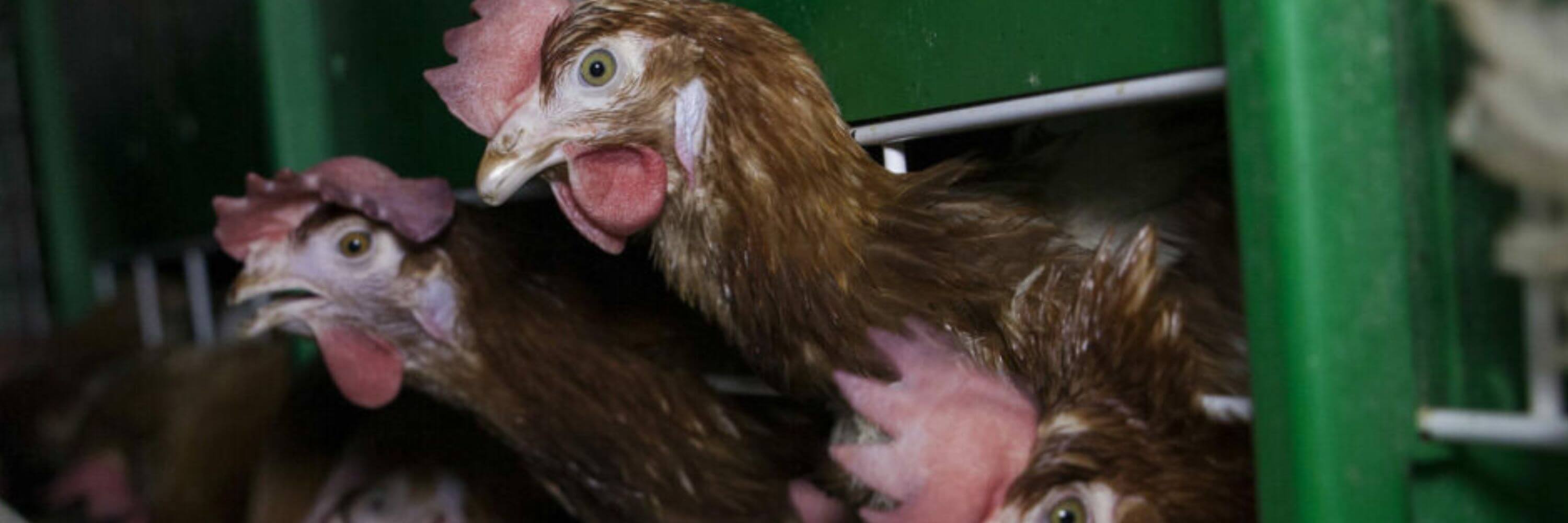
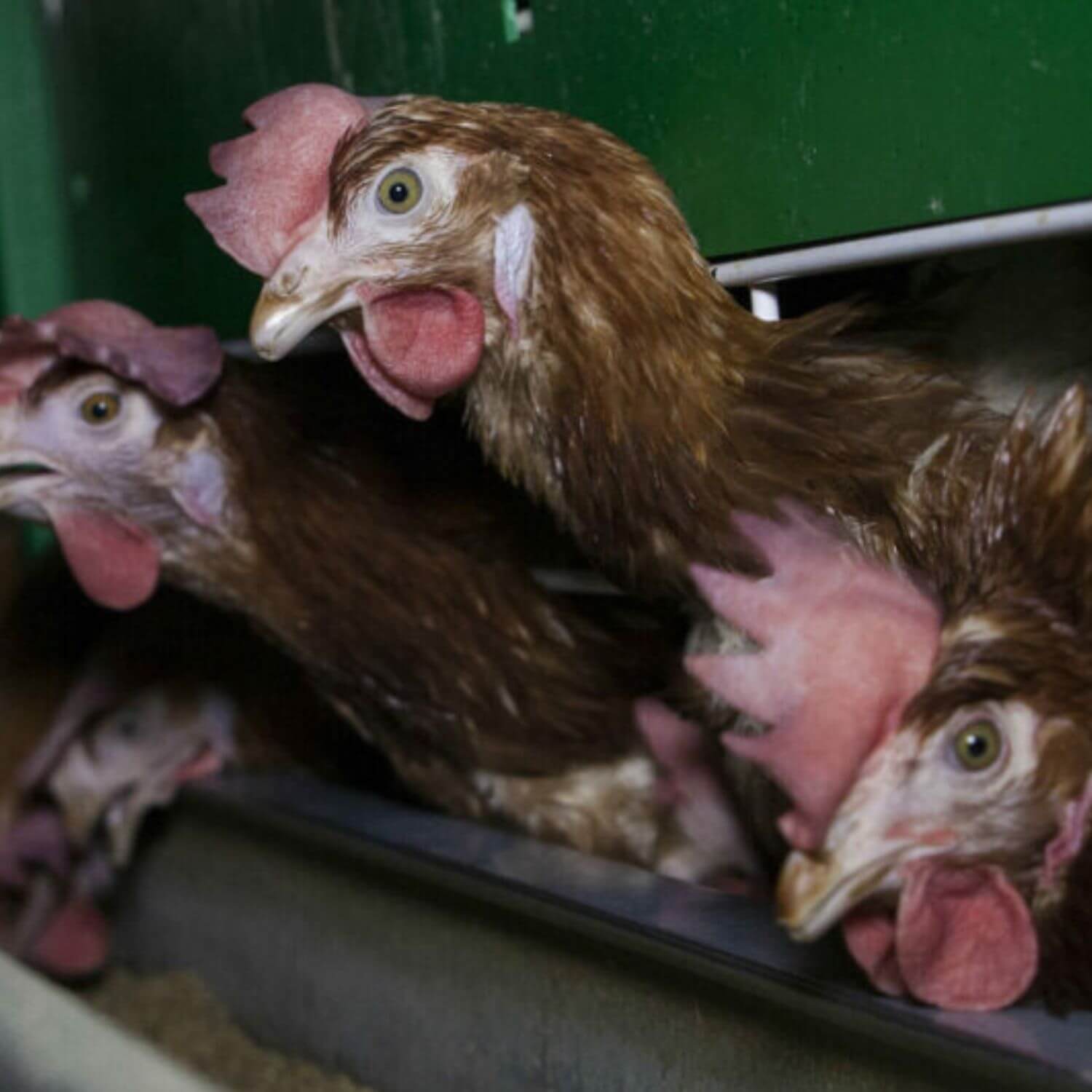
Today we attended the Commons Backbench debate on the impact of import standards on the agricultural sector. The debate came at a pivotal moment: only weeks after the Government published its Animal Welfare Strategy for England, MPs returned to a core question that strategy cannot answer on its own – what happens when the UK raises standards at home, but continues to allow lower-welfare products to be imported and sold here.
It is important to say at the outset that the UK’s own farming system still has a long way to go. Millions of animals here are confined, mutilated, and killed in ways that cause profound suffering and animals will always suffer in a system that treats them as commodities, especially in intensive farming.
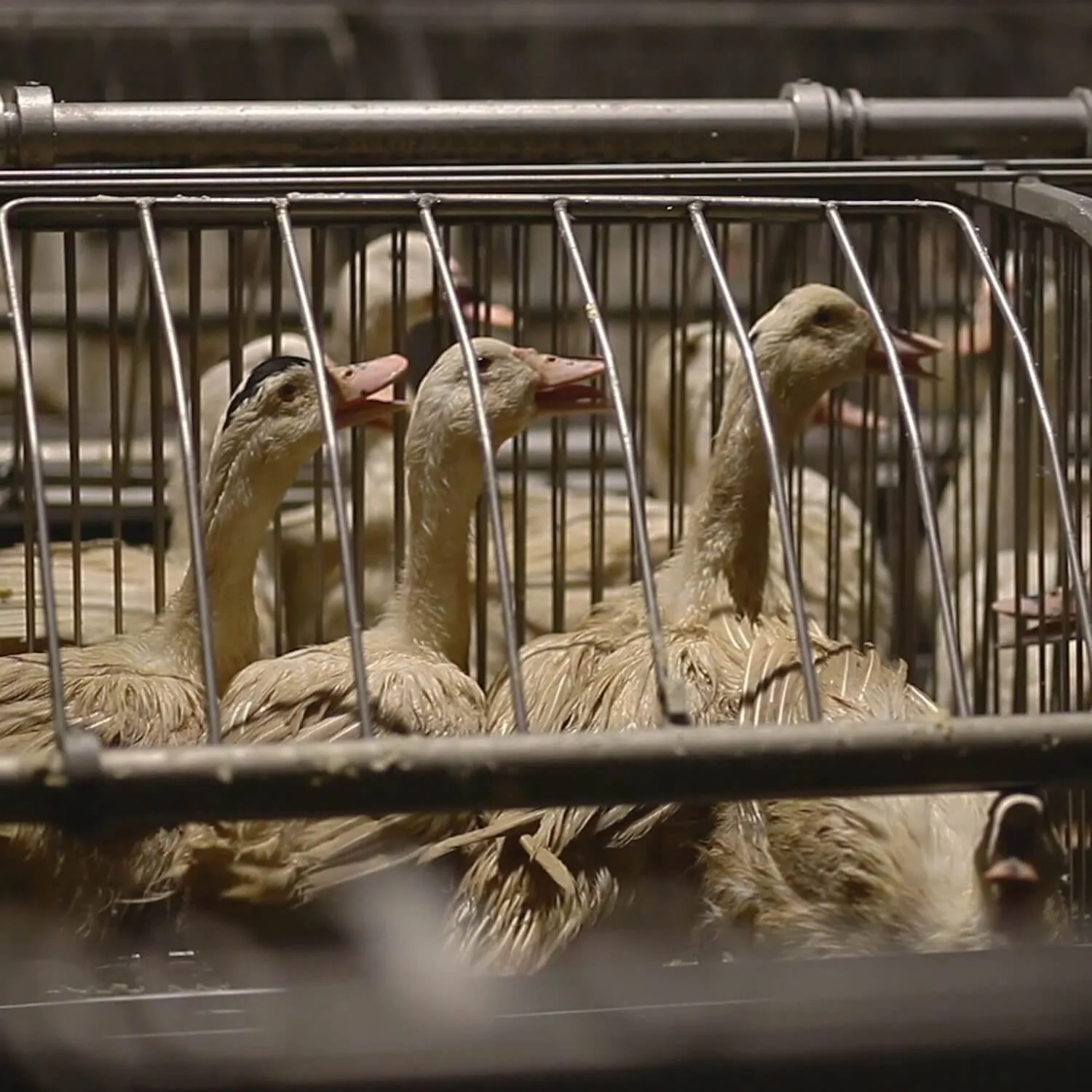
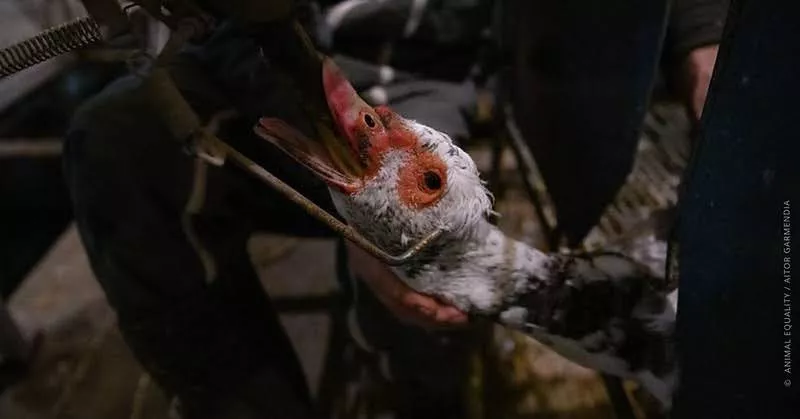
But that reality makes this debate even more urgent: when the UK bans or restricts specific cruelties, we should not allow those harms to be outsourced abroad and imported back into the country. Foie gras is a clear example – production is banned domestically, yet the product can still be sold here, meaning the UK continues to profit from the violent force-feeding of ducks and geese overseas.
Opening the debate, Labour MP Sam Carling framed the issue as a mismatch between domestic rules and what can still be sold in the UK: “This debate is about the imbalance” between our standards and “imports, which often fall short.”
Carling welcomed the Government’s Animal Welfare Strategy ambitions, but warned that progress at home can simply mean exporting suffering elsewhere unless imports are addressed too. He pointed to stark examples noting that sow stalls – narrow cages used to confine pregnant pigs, often so tightly they cannot turn around – are banned in the UK, yet the majority of imports come from countries where they remain legal.
A central theme was how UK trade policy should reflect (rather than undermine) domestic standards. Carling argued that the next step must go beyond negotiating stronger language in future deals:
“The next step is to equalise all our import standards, rather than just the standards for new agreements.”
He also linked this to the UK–EU sanitary and phytosanitary (SPS) negotiations, highlighting a concrete precedent:
Switzerland successfully negotiated an animal welfare carve-out in its sanitary and phytosanitary agreement with the EU. I would be grateful if the Minister could confirm whether the Government are seeking similar exemptions for animal welfare in the UK-EU negotiations. That would ensure we retained the ability to restrict imports that do not meet British welfare standards.
This point matters in the context of the Government’s current UK–EU SPS negotiations, where closer cooperation can reduce checks and paperwork at the border, but may also raise questions about dynamic alignment – in other words, whether the UK would follow future EU rules over time. An animal welfare carve-out would provide a clear safeguard: it would make explicit that, whatever form the SPS deal takes, it must not limit the UK’s ability to set and strengthen animal welfare rules, including measures affecting imports, even if those go further than EU requirements. That is why Animal Equality has been urging the Government to secure an explicit animal welfare carve-out in the UK–EU SPS agreement, so that smoother trade does not come at the cost of animals or become a barrier to closing the cruelty loophole.
Plaid Cymru MP Ann Davies made a clear distinction between product safety and method of production, arguing that current rules are largely aimed at protecting human health rather than preventing cruelty to animals:
“Import standards are almost entirely related to product safety and the threat to human health and the environment, rather than to how they are produced.”
Across the debate, MPs repeatedly returned to practices that are illegal here but still legal abroad – and therefore can still show up in UK supply chains.
Green Party MP Adrian Ramsay captured the principle in one line:
“If a practice is too cruel for food produced in Britain, it should be too cruel for food imported into Britain.”
Ramsay warned that focusing only on food safety creates exactly the wrong incentive in trade talks: “…that focus risks leaving a huge loophole for imports produced in ways that would be illegal here.”
A clear example is foie gras. Production is banned in the UK because of the extreme cruelty inherent in force-feeding ducks and geese, yet the product can still be imported and sold here. That is exactly how the cruelty loophole operates in practice: when welfare is treated as separate from import rules, suffering that is not tolerated at home can be outsourced abroad and brought back into the UK market. Animal Equality has been calling for a ban on foie gras imports since 2017, and we are continuing to lead the charge for the Government to close this loophole.
He argued that the loophole can only be closed if the law makes one principle clear: what is too cruel to produce in Britain should be too cruel to import into Britain, backed by clear labelling that applies to imports as well.
Several MPs argued that consumers cannot make informed choices without clearer, enforceable labelling.
Labour MP Lee Pitcher called for honest, clear labelling so that origin and standards are not blurred.
Labour MP Josh Newbury went further, stressing that mandatory labelling is vital to protect consumers and support producers, especially where the public may misunderstand what different labels guarantee.
From the Conservative frontbench, Conservative MP Dr Neil Hudson echoed the moral and fairness framing:
“Standards are not abstract trade matters; they are questions of fairness, food security and moral duty.”
He argued that the Government’s Animal Welfare Strategy did not yet provide the clarity needed on labelling:
“..the Labour Government’s animal welfare strategy… offers only vague intentions on labelling; there is no timetable and no binding commitments.”
Hudson also warned about the consequences of closer EU regulatory alignment:
“Returning to EU regulatory alignment would make us rule takers, not rule makers…”
Responding for the Government, the Minister for Food Security and Rural Affairs, Dame Angela Eagle, reaffirmed that UK food safety requirements will remain and that certain imports will stay banned, including hormone-treated beef and chlorine-washed chicken.
She also addressed questions on egg imports from Ukraine, framing them in the context of supporting Ukraine during the war while stating that imports must still meet the UK’s requirements.
Crucially, Eagle also gave the “red lines” assurance sought by MPs concerned about SPS and trade leverage:
“As in all trade deals secured by this Government, we will maintain red lines in our negotiations.”
However, she did not specify what those red lines are, leaving uncertainty about whether they will explicitly protect animal welfare measures, including the UK’s ability to restrict low-welfare imports and secure an animal welfare carve-out in any UK–EU SPS agreement.
And she closed with a clear statement of intent on preventing trade from weakening welfare standards.
“This Government will not allow that legacy to be undermined through the back door by trade policy.”
Today’s debate showed a serious cross-party appetite to close the gap between the UK’s domestic animal welfare laws and the reality of what can still be imported and sold. MPs repeatedly returned to the same core idea: if Parliament bans a practice because it is cruel, it should not re-enter the UK via trade.
We welcome the growing parliamentary focus on this “cruelty loophole”, including calls for stronger import requirements, meaningful labelling, and an SPS agreement that protects the UK’s ability to act on animal welfare. But it is also important to say plainly: even the best standards still leave animals trapped in a system that treats them as products. If you care about animals, the most powerful step you can take is to leave them off your plate and move towards a plant-based diet.
Defend hens and chicks
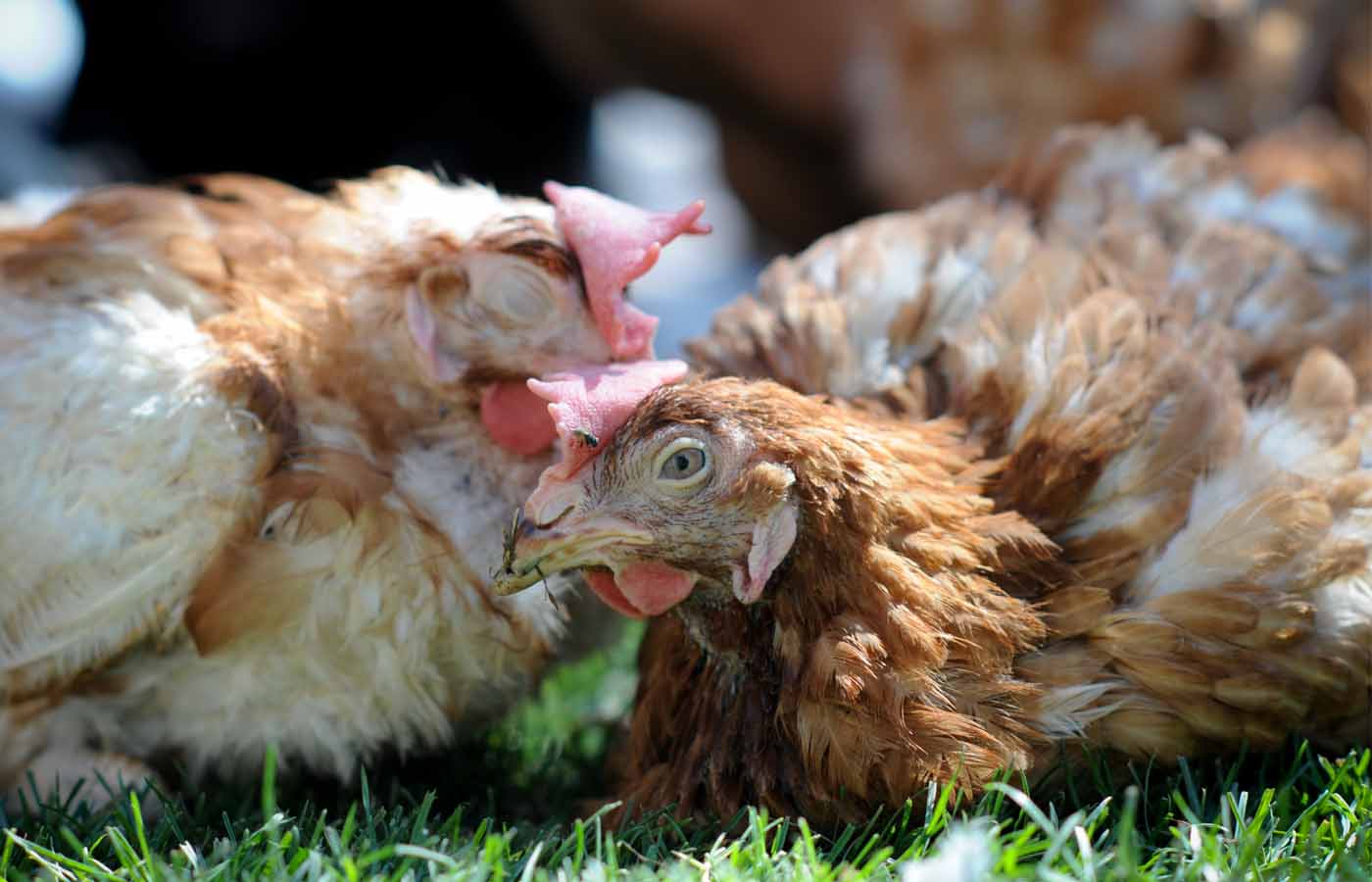
Each chicken has less than the space of a single sheet of A4 paper to live in on a typical UK egg farm. You can save chickens from a life of misery by replacing eggs in your meals with plant-based alternatives.