Exposed: Turkey farming in Brazil
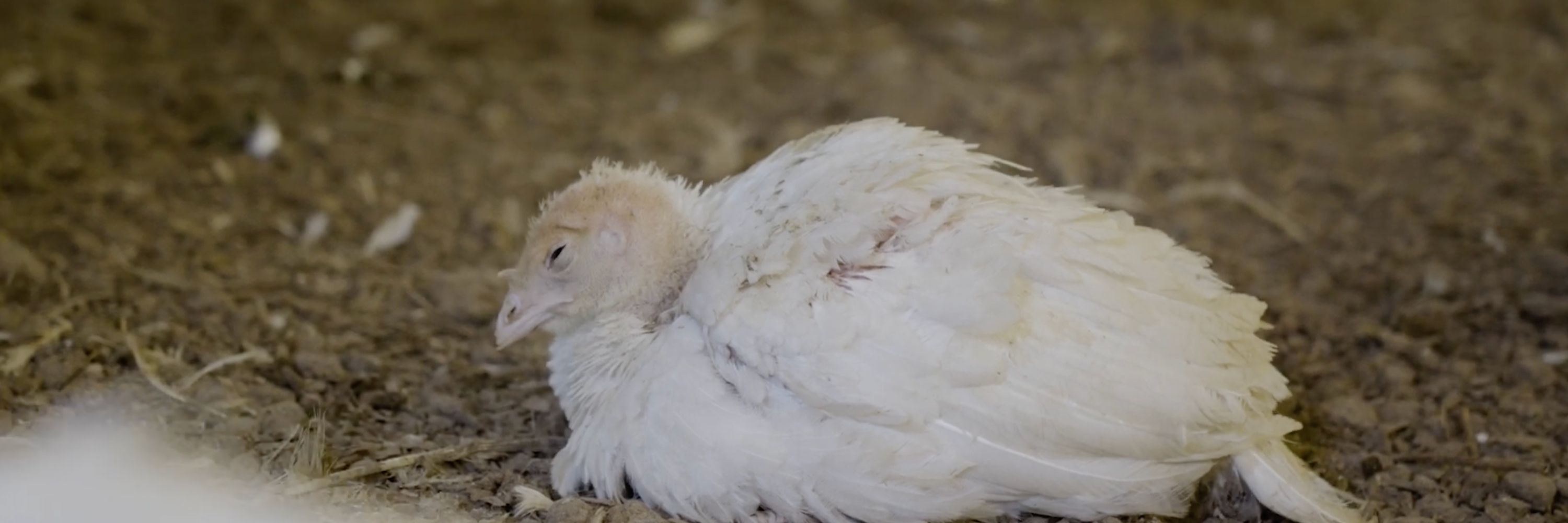
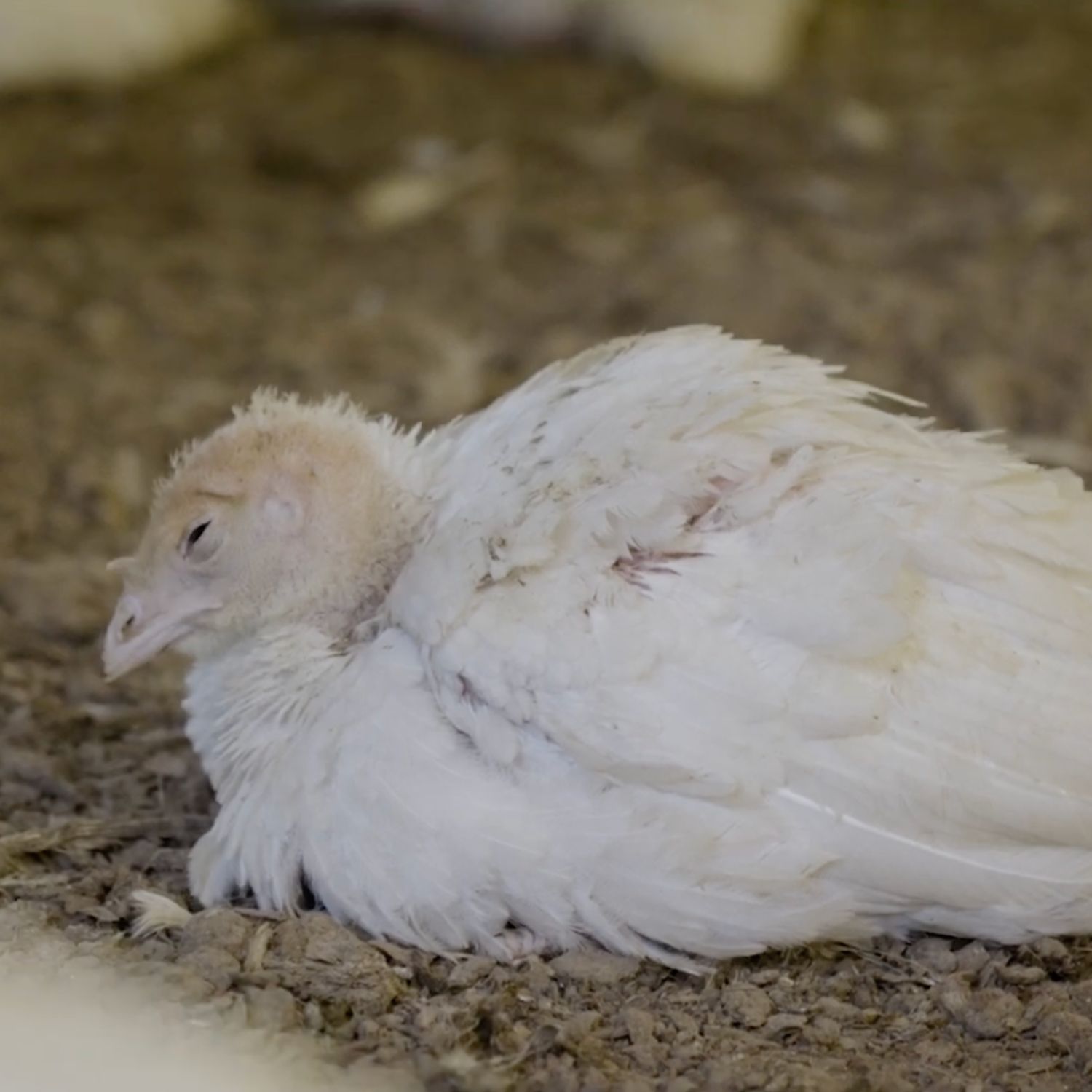
For the first time, an investigation into turkey farming in Brazil has been made public. Conducted by Animal Equality’s team in Brazil, the investigation documents the living conditions of turkeys on a farm located in Santa Catarina, linked to BRF – one of the largest meat processors in the world.
The footage reveals thousands of birds confined inside a single shed. The farm owner himself admits that the faeces-soaked materials covering the ground are replaced only once every two years.
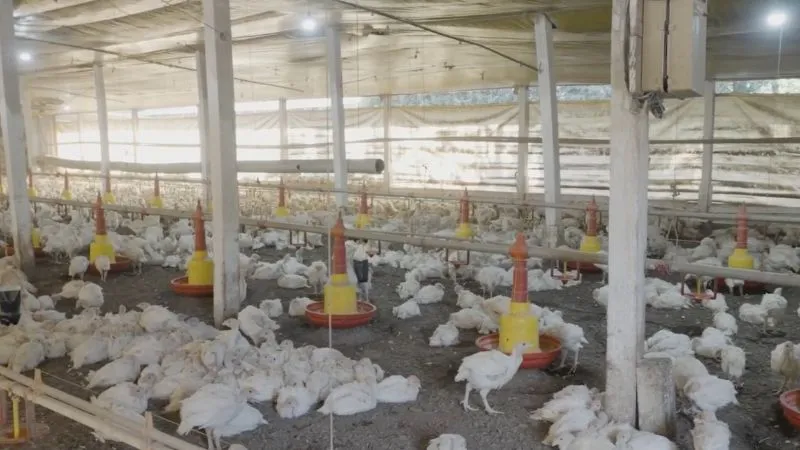
The investigation was carried out during the winter of 2025. According to investigators, the shed doors remained closed which reduces ventilation and increases the build-up of ammonia in the animals’ urine and waste. The high concentration of ammonia causes breathing difficulties and painful irritation to the eyes and respiratory tract, both for humans and animals. For the birds, constant contact with ammonia burns their skin and causes painful wounds.
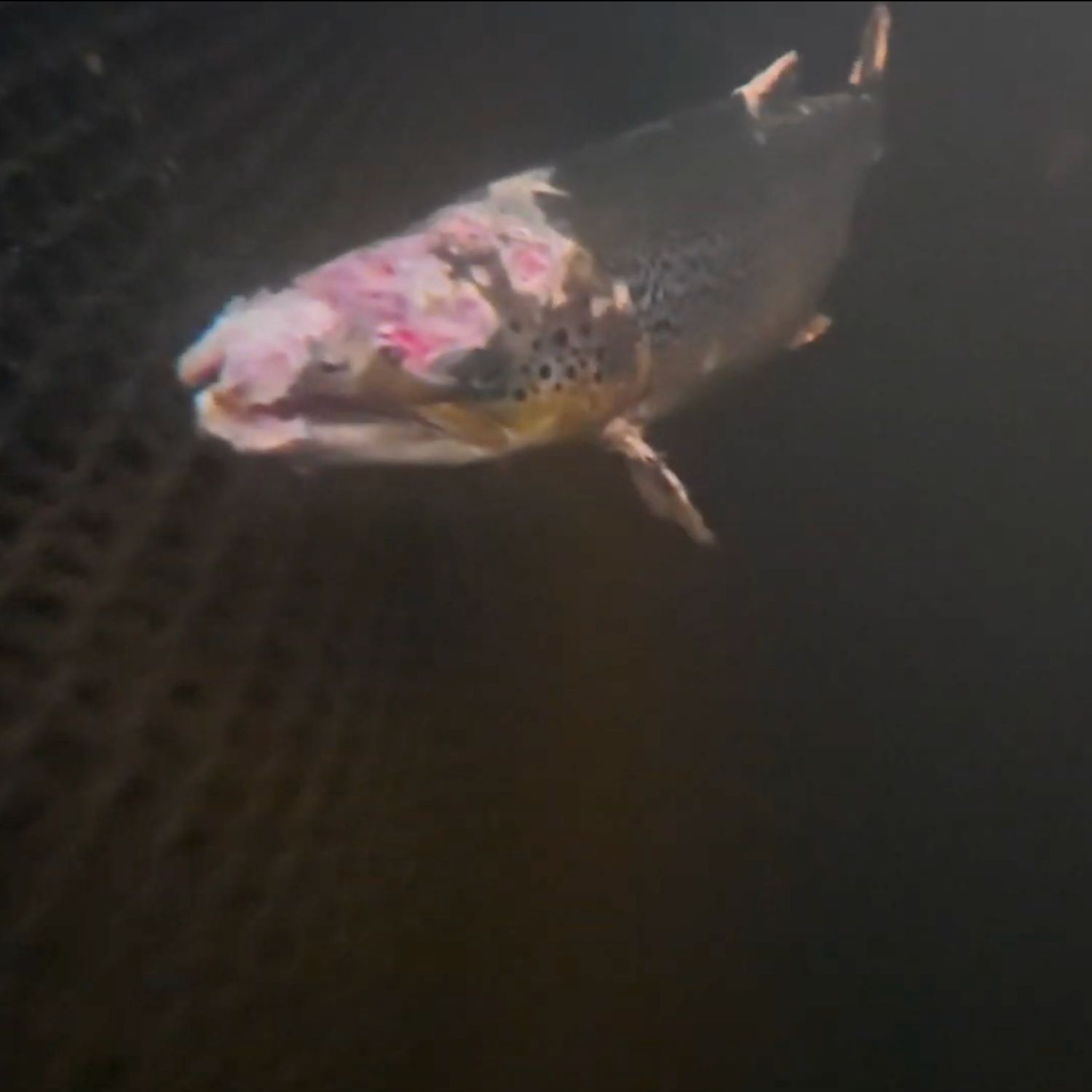
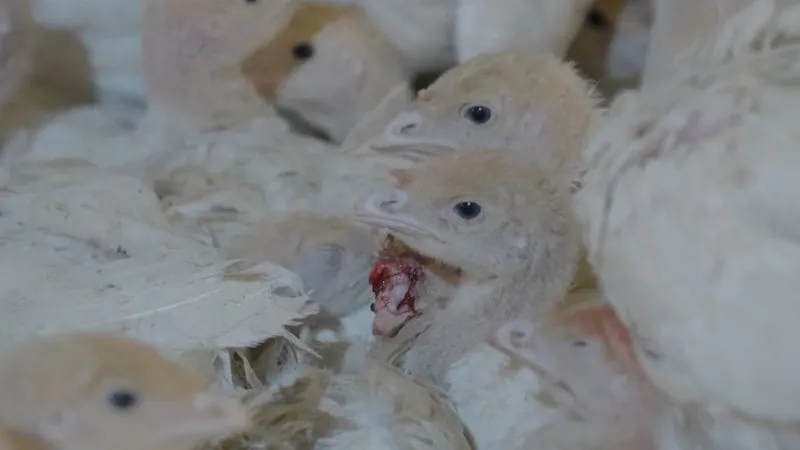
In one instance, a turkey can be seen with a bleeding injury on their face.
Animals raised for human consumption – especially birds, who are confined by the thousands in each shed – do not receive individual veterinary treatment. Producers often find it more cost-effective to absorb the loss of sick or dying animals than to invest time and resources in their care. Death from disease is common.
– Dr Marina Lemes, Project Manager at Animal Equality
Although turkeys are curious, social animals capable of forming bonds, those farmed by the meat industry spend their entire lives in monotonous environments, unable to express many of their natural behaviours.
A letter from our Executive Director in Brazil, Carla Lettieri:
Imagine walking into someone’s home and discovering the cat’s litterbox hasn’t been cleaned in two years.
Two years of waste piling higher each day.
Two years of ammonia so strong it scorches your lungs.
You call out for the cat.
You finally find them struggling for air, chest rising in slow, desperate waves.
Their skin is burned raw. Their eyes are half-closed. They’re curled in the filthy box, body shutting down.
Would you call this animal cruelty?
During a new investigation in Brazil, our team stepped into a scene that felt just like this…
Only multiplied by the thousands.
On a farm connected to BRF – one of the world’s biggest meat processors – turkeys lived on top of litter that hadn’t been cleaned in two years.
Toxic fumes clung to the air.
Birds lay with untreated wounds.
Many gasped for breath, their stinging eyes empty and hollow.
One turkey had a bleeding wound on their face. But on farms like this, it’s cheaper to let animals suffer than to offer the most basic care.
What none of us would tolerate for a single cat is happening to entire flocks.
And the impact reaches far beyond Brazil.
Meat from my home country is shipped across the globe, where shoppers see labels like ‘humane’ and ‘responsible’.
Yet as people prepare for the holiday season, millions of birds in the UK reach the kill floor after enduring the same misery.
The lines move so fast that many are still alive when they’re dropped into the scalding tanks meant to remove their feathers.
This is where cruelty becomes routine.
This is where your support changes everything.
In the months ahead, our global team is preparing to publish several new investigations.
Cases that expose the marketing myths and reveal what’s really happening behind closed doors.
Your gift today could allow our team in the UK to publish footage from another farm or slaughterhouse.
And right now, your impact could be multiplied.
An anonymous supporter is matching every donation to Animal Equality until 31st December.
We need to reach our ambitious goal of £140,000 and your gift could be what pushes us over the line.
For every animal who needs someone…
Thank you for being that someone.
Together in the fight against cruelty,
Carla Lettieri
This holiday season, extend your love and compassion to animals too. Make your meal plant-based and save a life! Start the new year as you mean to go on: with kindness to all creatures.
PRESERVE FAMILIES
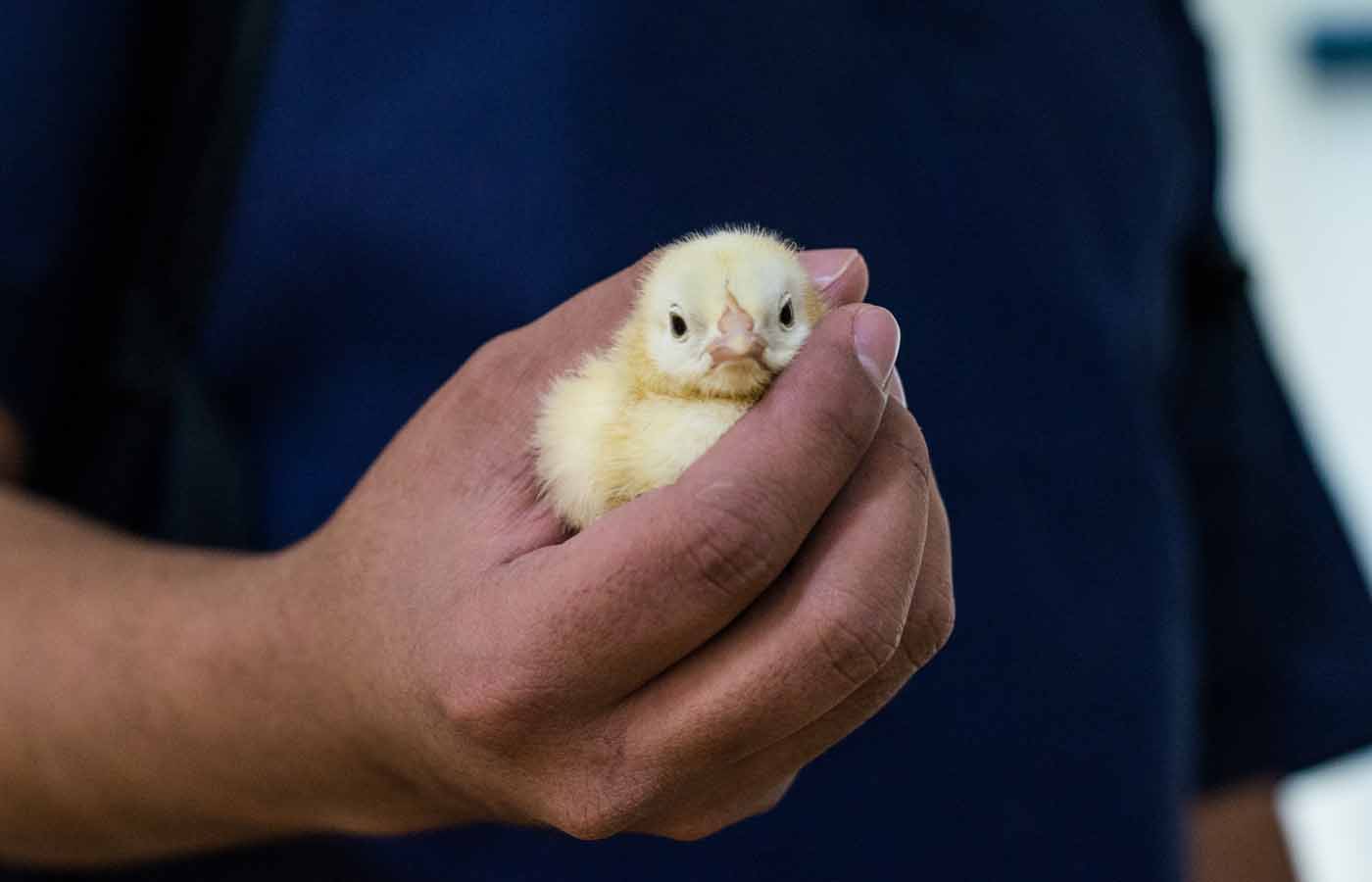
A curious chick recognises his mother’s voice and imprints on her immediately after hatching. You can defend these family bonds by choosing plant-based alternatives to eggs.