
Why the foie gras import ban is at risk, and how to save it
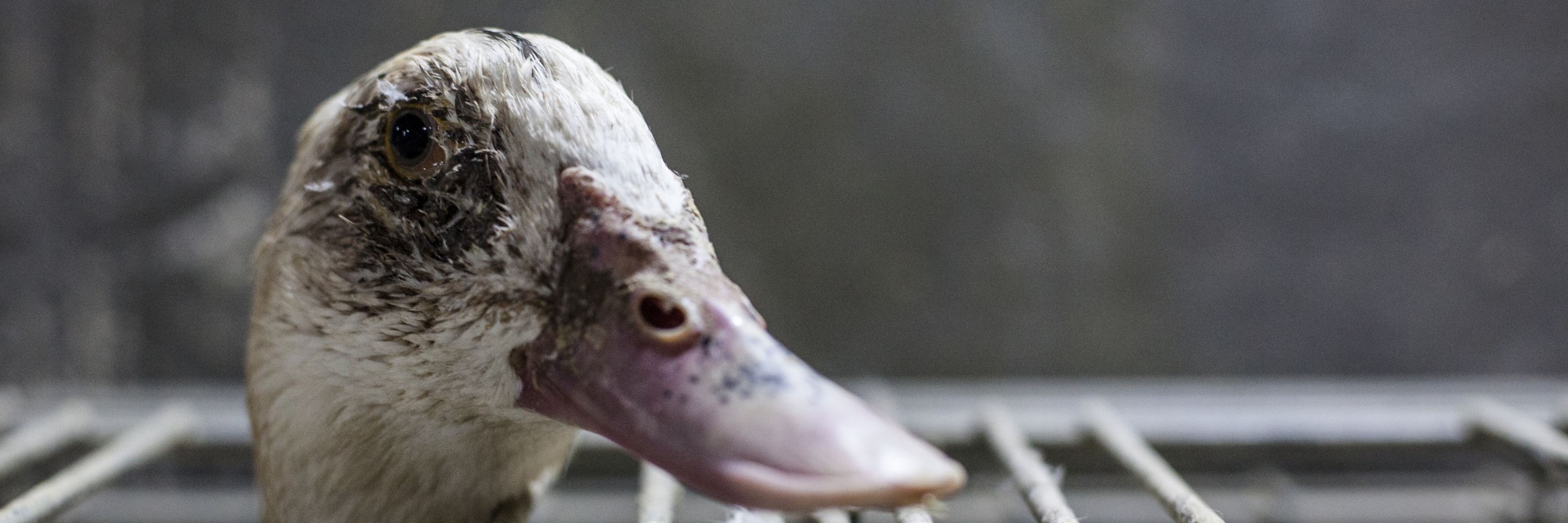
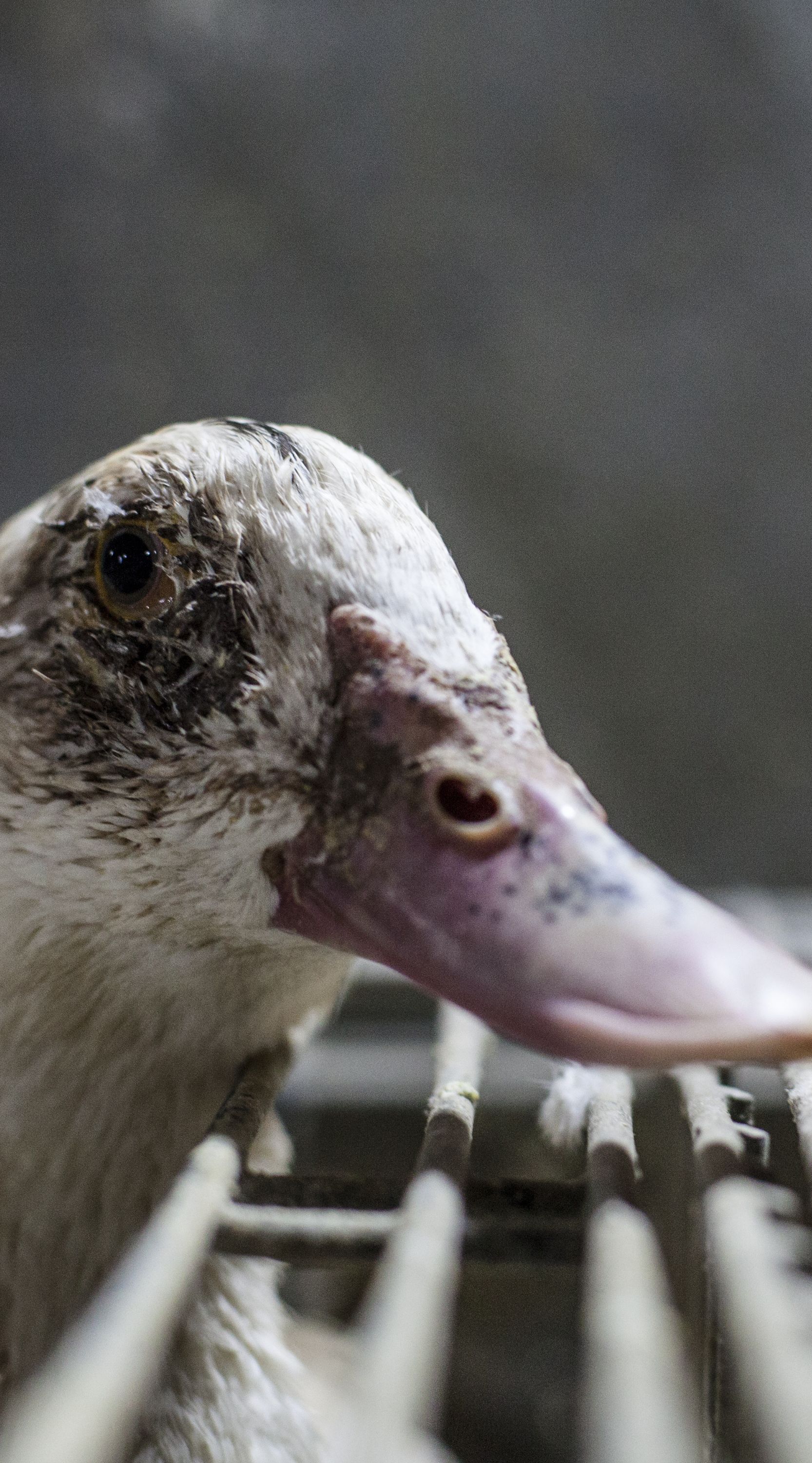
Foie gras is produced by force-feeding ducks and geese multiple times a day. A tube is pushed down their throats and food is pumped into their bodies until their livers become diseased and swell to ten times their normal size. The cruelty is so clear-cut that the UK banned its production nearly twenty years ago, yet we still import it. And a Government that promised to change that is now, reportedly, preparing not to.
A promise made
Before the 2024 General Election, the Labour Party committed to banning the commercial import of foie gras. Steve Reed made that pledge directly to voters after watching footage obtained by Animal Equality inside a foie gras farm, and later became Environment Secretary. Days later, the Labour Party officially confirmed that they would end these cruel and hypocritical imports.
Labour won the election. Then the waiting began.
Years of silence since
After the election, Animal Equality and cross-party MPs have pressed the Government repeatedly on its timetable to implement a ban. The answer, each time, was vague and non-committal responses, acknowledging that foie gras produced by force-feeding raises serious welfare concerns, is incompatible with our animal welfare laws, and that the Government is continuing to consider the evidence and options (as though 20 years of a domestic production ban had somehow left the question open).
At no point since coming into power has the Government provided any meaningful or tangible plan for action on this issue.
Trade negotiations put the ban at risk
In May 2025, a new complication emerged when the UK and EU began resetting their trade relationship, working towards arrangements that would reduce trade friction on both sides.
Animal Equality pushed hard on what that will mean in practice, questioning whether the UK will retain the ability to go further than the EU on animal welfare, or if this desire for a smoother deal could quietly erode the commitments made to British voters? We’ve been met only with secrecy and ambiguous assurances.
Check out our video explainer here for a rundown of what this means for animals:
We’re acting for animals
We have organised protests, supported MPs in tabling Parliamentary questions, coordinated an expert-led Parliamentary roundtable, and personally delivered 318,000 petition signatures to Downing Street. Through all of it, Ministers continued to acknowledge that force-feeding is cruel and incompatible with UK standards, while declining to say when – or whether – they would act.
Then on 5th April, the Guardian reported that the Government was planning to abandon its foie gras ban promise entirely in order to smooth EU trade negotiations.
This is not about a lack of evidence or public support, it is a political choice to sacrifice an animal welfare commitment the moment trade talks make it inconvenient. A product the Government’s own Ministers describe as incompatible with this country’s welfare standards is apparently acceptable to keep importing, so long as it keeps the negotiations tidy.
Electoral promises shouldn’t come with expiry dates, and animal cruelty doesn’t become less cruel because a trade deal is on the table. Animal Equality will keep pressing. No force-feeding, no cruelty, no more excuses!
How you can help
We need to be louder than ever, to show that this foie gras import ban is what people across the UK want.
Join hundreds of thousands of others and sign our petition today:
Thank you for signing this important petition.
Before you go, remember that we are up against a huge, multi-million-pound industry. That is why one powerful way to ensure we can continue this difficult fight is by making a donation.
Abigail Penny
Executive Director Animal Equality UK

THANK YOU FOR DEFENDING FARMED ANIMALS!
Please help spread the word. Share the petition with your friends and family.
THANK YOU!
Your actions are changing the world for animals everywhere. Thank you again for your support and we’ll keep you informed on any progress we make.
For the animals,
Abigail Penny
Executive Director, Animal Equality UK
Demand the Government bans imports of foie gras made by force-feeding – SIGN NOW!
END THE CRUELTY
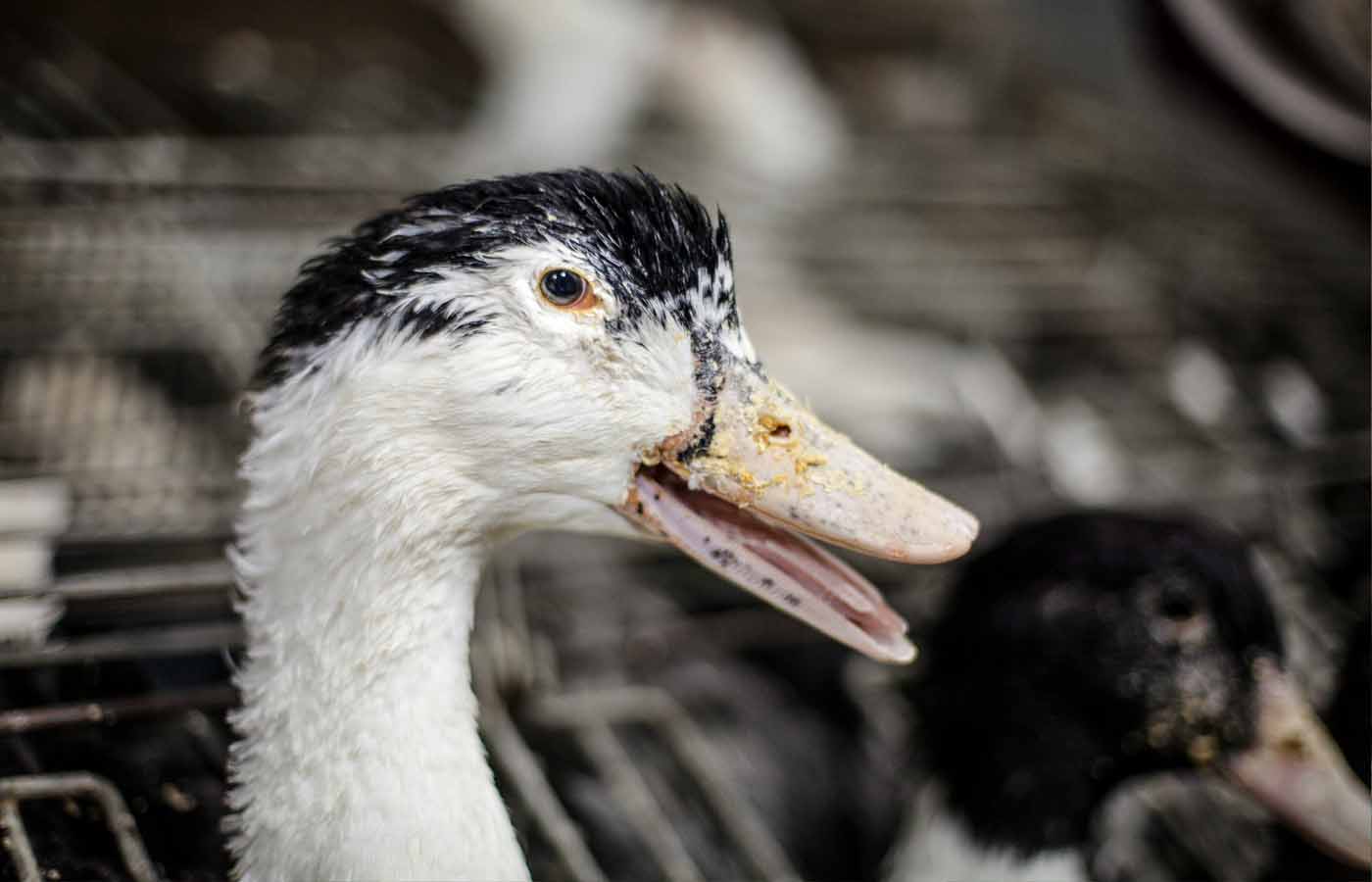
Foie gras is immensely cruel. Its production causes ducks and geese severe physical and psychological pain. You can protect ducks and geese by opting for plant-based alternatives.