
Lamb Consultation – GUIDANCE
UPDATE – THIS CONSULTATION IS NOW CLOSED AND NO LONGER ACCEPTING SUBMISSIONS
Thank you for being here!
This is one of those moments where public pressure can turn concern for animals into real policy change.
The Government is asking for views on lamb castration and tail docking – two painful procedures still routinely carried out on young sheep in the UK. Your response today can help influence what the final policy looks like and how strongly lamb welfare is protected.
The deadline is fast approaching. You have until the 9th of March to complete it.
So follow along with this guide as we walk you through the consultation and share suggested answers and tips on what to say.
Quick tip for the open text boxes
For many of the questions, you will be asked to explain your answer in your own words.
We have included talking points and ideas for what you might want to mention, but it is best not to copy and paste exactly. Writing in your own words helps ensure that responses are counted individually and shows policymakers that real people care about this issue.
You can use the ideas below, add your own thoughts, or keep your answers short and simple.
Key message to include where relevant
Castration and tail docking involve removing or damaging parts of a lamb’s body and are widely recognised to cause significant pain and distress.
While the Government’s proposals aim to reduce harm, they still allow these procedures to continue routinely. This consultation is an opportunity to call for stronger protections and a reduction in unnecessary mutilations.
The best action we can take as individuals is to leave animals off our plates. But we must not forget the animals still trapped in the system and push for policies that reduce their suffering.
Know what you are talking about
You do not need to be an expert to take part in this consultation.
All you need to know is that lamb castration and tail docking are painful procedures that remove healthy parts of an animal’s body, usually for management or production reasons.
Your response today can help ensure that policymakers hear clearly that the public expects stronger animal welfare protections.
Quick note on evidence: In the talking points below you will see “AWC (2022)”. This refers to the UK Government’s Animal Welfare Committee – an independent expert body that published an evidence-based opinion on the welfare impacts of lamb castration and tail docking. Defra is relying on this evidence in the consultation, so it is a strong source to mention if you want to.
Time needed
We expect this consultation will take around 20–25 minutes to complete.
This is a small amount of time that could help improve protections for millions of lambs in the UK.
Guidance for answers
8.a) Surgical castration of lambs should only be permitted when carried out by a veterinary surgeon with an effective anaesthetic and analgesic.
Disagree – this method should not be permitted under any conditions
8.b) Please explain your answer.
Talking points
- Surgical castration is very invasive. It involves cutting into the scrotum and removing the testicles.
- The AWC (2022) says castration causes significant welfare harm and that no method is pain-free.
- Anaesthetic and pain relief may reduce some pain, but they cannot remove the underlying tissue damage, inflammation and risk of complications.
- Most routine castration is done for management or market reasons, not because the animal needs medical treatment.
9.a) Surgical tail docking of lambs should only be permitted when carried out by a veterinary surgeon with an effective anaesthetic and analgesic.
Disagree – this method should not be permitted under any conditions
9.b) Please explain your answer.
Talking points
- Surgical tail docking is invasive. It involves cutting and removing part of the tail.
- The AWC (2022) says tail docking causes significant pain and welfare harm, and that no docking method is pain-free.
- Anaesthetic and pain relief may reduce some pain, but they cannot remove the harm of amputating a functional body part.
- Docking for convenience, tradition or cosmetic reasons is not a strong enough justification.
10.a) Rubber ring castration of lambs up to 3 months should only be permitted with an effective anaesthetic and analgesic.
Disagree – this method should not be permitted under any conditions
10.b) Please explain your answer.
Talking points
The idea that very young lambs feel less pain is not reliable; the best outcome is avoiding routine castration where possible (AWC, 2022).
Rubber ring castration is painful. It cuts off blood supply so the tissue slowly dies and falls off.
The AWC (2022) says lambs show clear signs of pain after rubber rings and that pain can persist during the period of tissue death and healing.
Pain relief can reduce some immediate pain, but it cannot stop the underlying harm caused by prolonged ischaemia, necrosis and inflammation.
11.a) Rubber ring tail docking of lambs up to 3 months should only be permitted with an effective anaesthetic and analgesic.
Disagree – this method should not be permitted under any conditions
11.b) Please explain your answer.
Talking points
Pain relief may reduce some immediate pain but cannot prevent the underlying harm caused by tissue necrosis.
Rubber ring tail docking cuts off blood supply so the tail slowly dies and falls off.
Lambs show clear signs of pain and distress after docking (AWC, 2022).
The process can take weeks while tissue dies and the wound heals.
Talking points
- Rubber ring tail docking cuts off blood supply so the tail slowly dies and falls off.
- Lambs show clear signs of pain and distress after docking (AWC, 2022).
- The process can take weeks while tissue dies and the wound heals.
- Pain relief may reduce some immediate pain but cannot prevent the underlying harm caused by tissue necrosis.
12. What actions are needed from government and relevant stakeholders to support industry in moving away from this method?
Talking points
- Set a clear direction away from routine castration and tail docking; AWC (2022) says none of the methods are pain-free and avoiding them is best for welfare.
- Make sure rules are enforced: more inspections, proper record-keeping, and real oversight (otherwise changes stay “on paper”).
- Instead of docking, support transition for: better parasite control, breeding, and management practices.
- Fund and fast-track alternatives that reduce the need for these procedures (for example, research and licensing of immunocastration for sheep).
13.a) Clamp castration of lambs up to 3 months should only be permitted with an effective analgesic.
Disagree – this method should not be permitted under any conditions
13.b) Please explain your answer.
Talking points
- Clamp (Burdizzo) castration causes pain and tissue damage by crushing the spermatic cords (AWC, 2022).
- Lambs show clear signs of distress at the time of application (for example struggling, vocalising, stress responses).
- Even if it is sometimes described as “less painful” than rubber rings, it still involves deliberate injury and permanent loss of reproductive function.
- Usually done for management/market reasons, not medical need; if ever clinically necessary, it should be vet-only with full pain relief and records.
14.a) Combined method castration of lambs up to 3 months should only be permitted with an effective anaesthetic and analgesic.
Disagree – this method should not be permitted under any conditions
14.b) Please explain your answer.
Talking points
- Uses both a clamp and a rubber ring – crushing tissue plus cutting off blood supply, leading to necrosis.
- Lambs still show clear signs of pain during the procedure; outcomes depend heavily on how well it is done (technique matters a lot).
- Pain relief may reduce some immediate pain but cannot remove the underlying harm from tissue damage and prolonged healing.
Mainly done for management/market reasons, not medical need; if ever clinically necessary, vet-only with full pain relief and proper records.
15.b) Please explain your answer.
Talking points
- Still causes significant pain; how “good” or “bad” it is depends a lot on technique and clamp placement.
- Long healing period: inflammation and wound healing while dead tissue separates; pain relief cannot remove the underlying harm of tissue loss.
- A tail is a functional body part; docking should not be routine and only considered if flystrike prevention cannot be achieved by other measures (and medical cases should be vet-only with records).
- Tail docking removes a functional body part and permanently alters the animal’s body.
16.a) Clip castration of lambs up to 3 months should be permitted without an effective anaesthetic or analgesic.
Disagree – another reason or multiple reasons (please specify below)
16.b) Please explain your answer.
Talking points
- Even if it looks “less painful” than rubber rings, it still crushes tissue, cuts off blood supply and causes tissue to die and separate.
- AWC (2022): no castration method is pain-free; best outcome is avoiding routine castration where possible.
- Defra says there are no studies on using anaesthetic/analgesic with the clip method; without evidence, allowing it with no pain relief is not precautionary.
- If permitted at all: require both anaesthetic and analgesic, plus training/competency, record-keeping and real oversight (and invest in alternatives like immunocastration).
17.a) Clip tail docking of lambs up to 3 months should be permitted without an effective anaesthetic or analgesic.
Disagree – another reason or multiple reasons (please specify below)
17.b) Please explain your answer.
Talking points
- Still involves crushing tissue between tail vertebrae, cutting off blood supply and causing tissue loss; tail is a functional body part.
- AWC (2022): no docking method is pain-free; recommends multimodal pain relief where docking happens; best outcome is avoiding docking where possible.
- Defra says there are no studies on using anaesthetic/analgesic with the clip method; allowing it with no pain relief is not precautionary.
- If permitted at all: require both anaesthetic and analgesic, plus training/competency, record-keeping and real oversight; strengthen flystrike prevention alternatives so docking is not routine.
18.a) Hot iron docking of lambs up to 3 months should only be permitted with an effective anaesthetic and analgesic.
Disagree – this method should not be permitted under any conditions
18.b) Please explain your answer.
Talking points
- Uses a heated metal device to burn and sever the tail; thermal injury, tissue destruction, inflammation during healing.
- AWC (2022): tail docking causes welfare compromise; no method is pain-free; risks of pain and complications.
- Anaesthetic and analgesic may reduce suffering but cannot remove the harm of amputating a functional body part.
- Should not be routine; only acceptable for genuine medical need in an individual animal (vet-only, full pain relief, records/oversight).
19.a) Please indicate your level of agreement with the following statement. Castration and tail docking of lambs should only be performed by a trained and competent stockkeeper.
Disagree
19.b) Please explain your answer.
Talking points
If tissue removal is ever medically necessary: treat it as a veterinary procedure (vet-only, full pain relief); policy should focus on reducing routine mutilations overall.
Training and good stockmanship matter for animal welfare and safe handling.
But training cannot remove the core harm: castration and tail docking still cause pain, tissue damage and stress responses.
The problem is the routine nature of these procedures for non-medical reasons, not just “how well” they are done.
20. What makes a stockkeeper trained and competent? Please select all that apply.
- Contracted (i.e. outsourced) training
- Formal accreditation
- Access to protocols (i.e. for providing pain relief)
- Other – please specify below
Other – please specify below: Talking points
- Routine castration and tail docking should be phased out; training should not be used to legitimise painful procedures.
- If tissue removal is medically necessary for an individual animal, it should be treated as a veterinary procedure with full pain relief.
- If non-veterinary procedures remain legal, competence should require formal accreditation to a recognised standard.
- There should also be written pain-management protocols, proper records for each procedure, and inspections to ensure compliance.
21.a) Castration of lambs should only be permitted after the first 24 hours of life.
Agree
21.b) Please explain your answer.
Talking points
- The first 24 hours is a very vulnerable period; painful procedures can disrupt colostrum intake and early bonding.
- But 24 hours is not enough; a minimum of around one week would better protect lamb welfare and reduce risks like mismothering.
- AWC (2022) highlights extra risks for very young lambs and the importance of settling feeding and bonding first.
- Longer-term: castration causes harm at any age; the goal should be reducing and phasing out routine castration, not just shifting the timing.
22.a) Tail docking of lambs should only be permitted after the first 24 hours of life.
Agree
22.b) Please explain your answer.
Talking points
- The first 24 hours are a very vulnerable period; painful procedures can disrupt colostrum intake and early bonding.
- But 24 hours is not enough; a minimum of around one week would better protect lamb welfare and reduce avoidable risks.
- AWC (2022): very young lambs face extra welfare risks; feeding and bonding should be established first.
- Longer-term: docking causes harm at any age; focus on reducing routine docking and improving flystrike prevention without tail removal (parasite control, breeding, management).
23.a) Castration of lambs over 3 months should only be permitted when carried out by a veterinary surgeon with an effective anaesthetic and analgesic.
Disagree – castration should not be permitted over 3 months
23.b) Please explain your answer.
Talking points
- Older lambs face higher risks: more tissue and blood supply, so greater chance of bleeding, inflammation and slow healing (AWC, 2022).
- Vet-only and anaesthetic and analgesic recognises severity, but pain relief cannot remove the underlying harm of non-medical castration.
- Routine castration for management/market reasons is hard to justify, especially in older animals.
- If castration is ever medically necessary for an individual lamb: vet-only, full pain relief, proper records and oversight.
24.a) Tail docking of lambs over 3 months should only be permitted when carried out by a veterinary surgeon with an effective anaesthetic and analgesic.
Disagree – tail docking should not be permitted over 3 months
24.b) Please explain your answer.
Talking points
- Tail docking causes welfare harm at any age; older lambs may face extra risks due to more tissue and more complex healing (AWC, 2022).
- Vet-only and anaesthetic and analgesic helps, but it cannot remove the underlying harm of amputating a functional body part.
- Performing docking later does not solve the core welfare issue; it still results in permanent tissue loss and bodily integrity concerns.
- If tail removal is ever medically necessary for an individual animal: vet-only, full pain relief, proper records and oversight.
25.a) Do you agree with the estimates and assumptions presented in the consultation-stage de minimis assessment (for example, time, cost, uptake of new methods, feasibility of pain relief use)?
No
25.b) If you answered ‘No’, please explain your reasoning. Where possible, provide alternative estimates or examples from your experience (for example, costs, procedure times, uptake of new methods).
Talking points
- Assumes smooth uptake, but in reality changes that add time, cost or skill will be adopted unevenly across farms.
- Many reforms rely on correct technique (placement/timing/dosing); hard to guarantee without proper checks.
- Underestimates the resource needs for training, accreditation, record-keeping and inspections (for farmers and regulators).
- Without proper enforcement capacity, reforms risk looking good on paper but not delivering consistent welfare improvements in practice.
26. Are you currently a sheep farmer or representing sheep farmers?
No [skip to further comments section]
Further comments
33. Please provide any comments or evidence on the environmental impacts the proposed policy may have.
Leave blank
34. Please provide any comments or evidence on the equality impacts the proposed policy may have.
Leave blank
35. Please provide any comments or evidence you feel should be considered concerning the socio-economic impact the proposed policy may have on both producers and consumers. Please explain your answer.
Leave blank
36. Please provide any further considerations you feel should be noted when considering this policy proposal. Please explain your answer.
Talking points
- Do not just focus on “making it less painful”; ask whether routine castration and tail docking are necessary in the first place (AWC, 2022).
- Pain relief and vet oversight can reduce suffering but cannot remove the core harm: deliberate tissue damage and permanent loss of bodily integrity.
- Enforcement matters: rules relying on correct pain relief and technique will fail without inspections, records and meaningful oversight (low inspection rates are a wider problem).
- Long-term direction: reduce routine use and invest in alternatives that avoid these procedures (for example, pathways for immunocastration for sheep).
We hope you found this guidance helpful.
If you got this far – thank you.
Please click this button once you have completed your submission .
PROTECT INNOCENCE
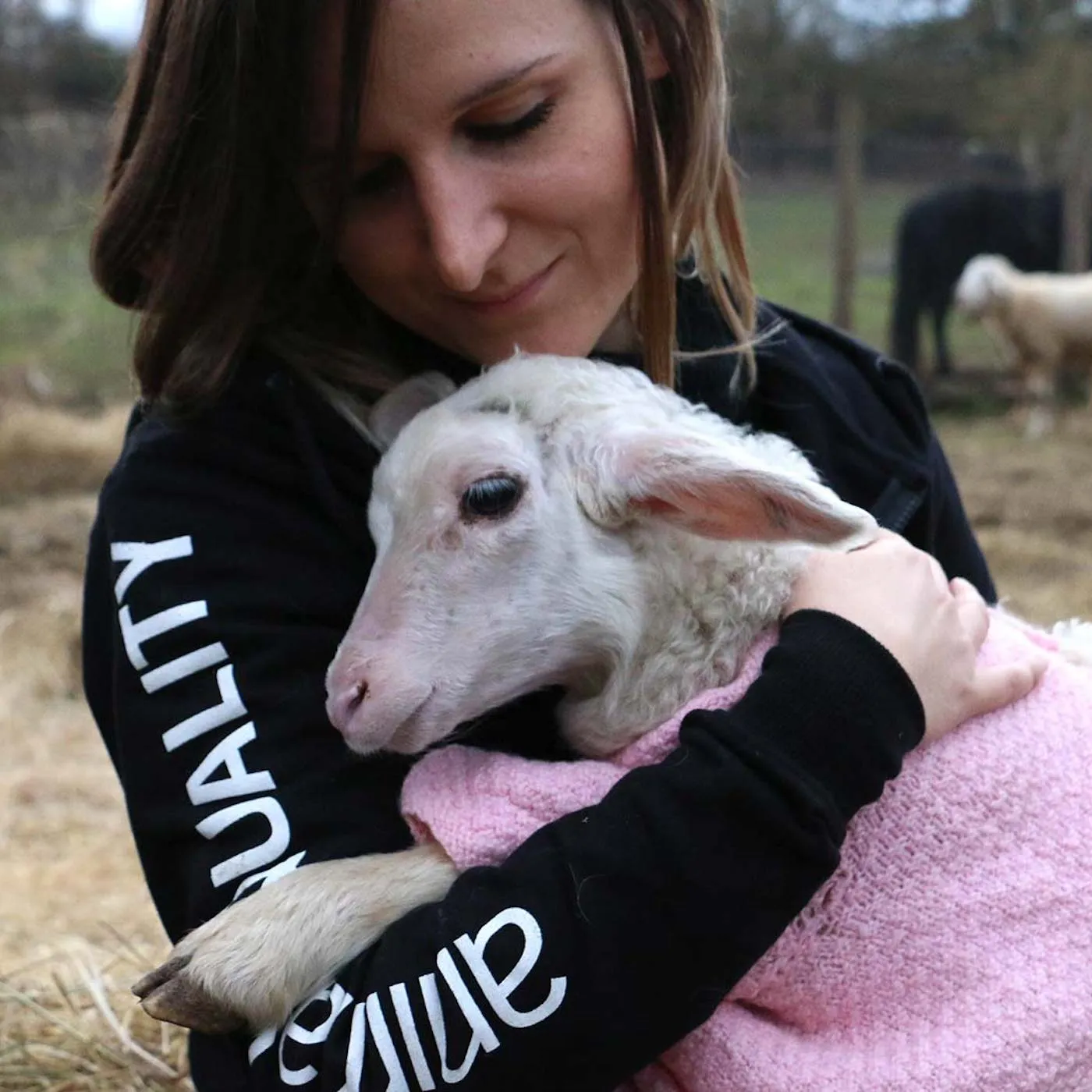
Lambs’ rich emotional lives allow them to build friendships and recognise facial expressions. Protect these intuitive animals by choosing plant-based meat alternatives.