
Scottish salmon industry admits to exceeding lice limits over 1,000 times last year
The salmon farming sector has its own Code of Good Practice, with a suggested level for the treatment of sea lice on individual farm sites of 1 adult female louse per fish and 0.5 adult female louse per fish during what is called ‘the sensitive period’ (1st February to 30th June, inclusive) when wild juvenile fish migrate past sea cages.
Mandatory sea lice data is provided to the Scottish Government’s Fish Health Inspectorate (FHI) on a weekly basis. The FHI – the statutory regulator for fish health and welfare, including sea lice management – has an intervention limit in place when an average of six adult female lice per fish are found. Last year there were 25 such reported counts.
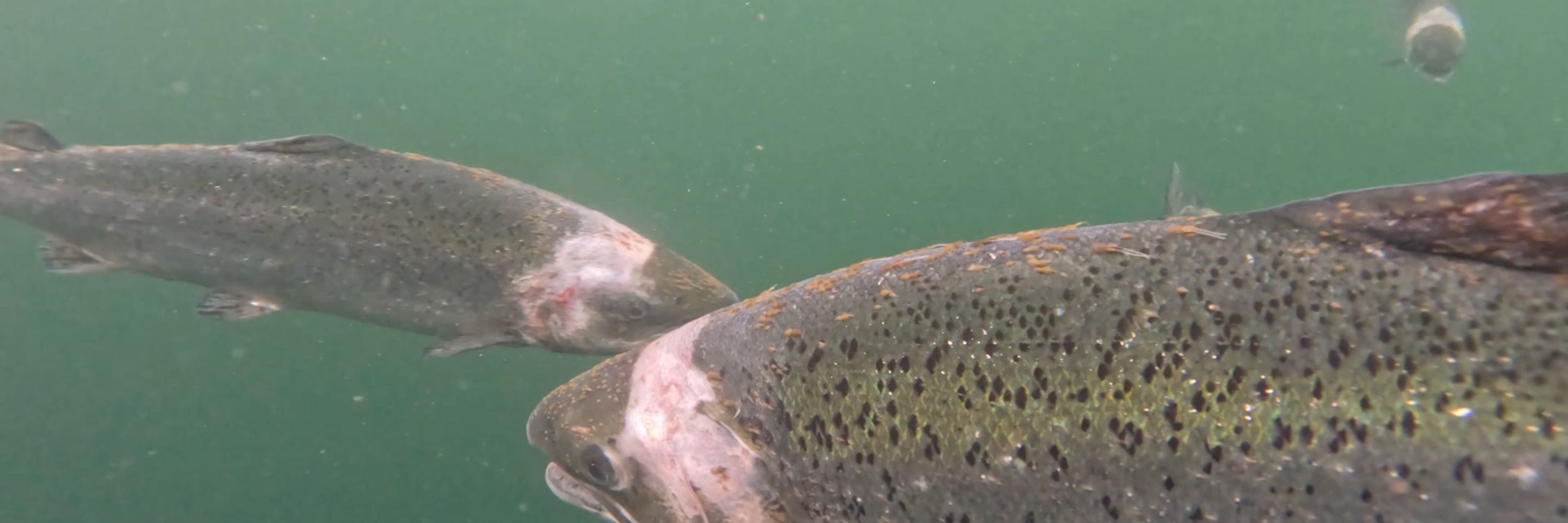
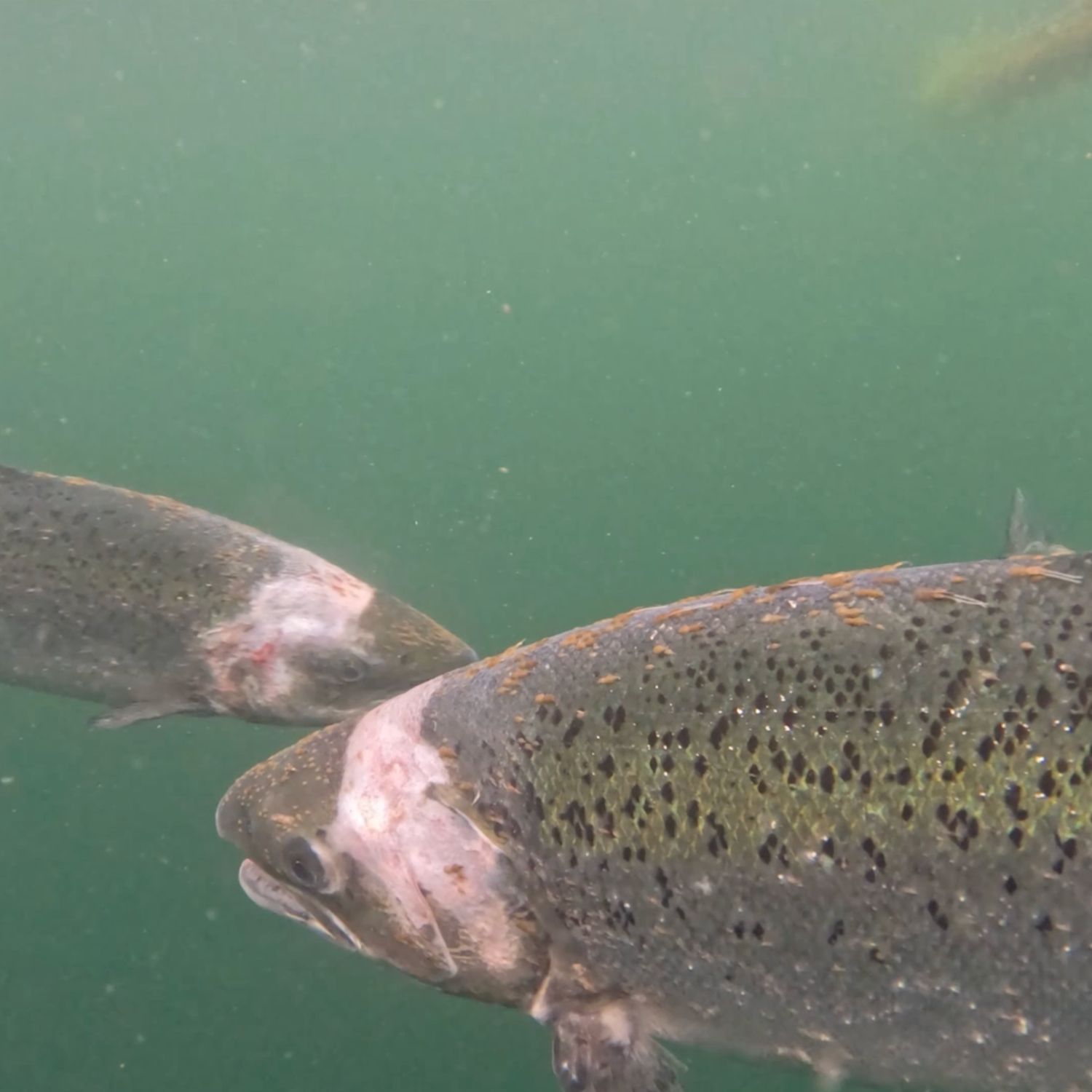
While sea lice exist in the wild, they are typically pushed off the salmon as they migrate through natural waters. On Scottish salmon farms, due to the high number of animals in confinement, lice infestations are common and spread rapidly. The parasitic lice eat the flesh of the farmed fish, causing pain and raw wounds. Despite abrasive industry delousing treatments, harsh chemicals, and the use of ‘cleanerfish’ – aquatic animals bred or captured in the wild and confined in sea cages to eat the lice off the salmon – lice outbreaks remain common.
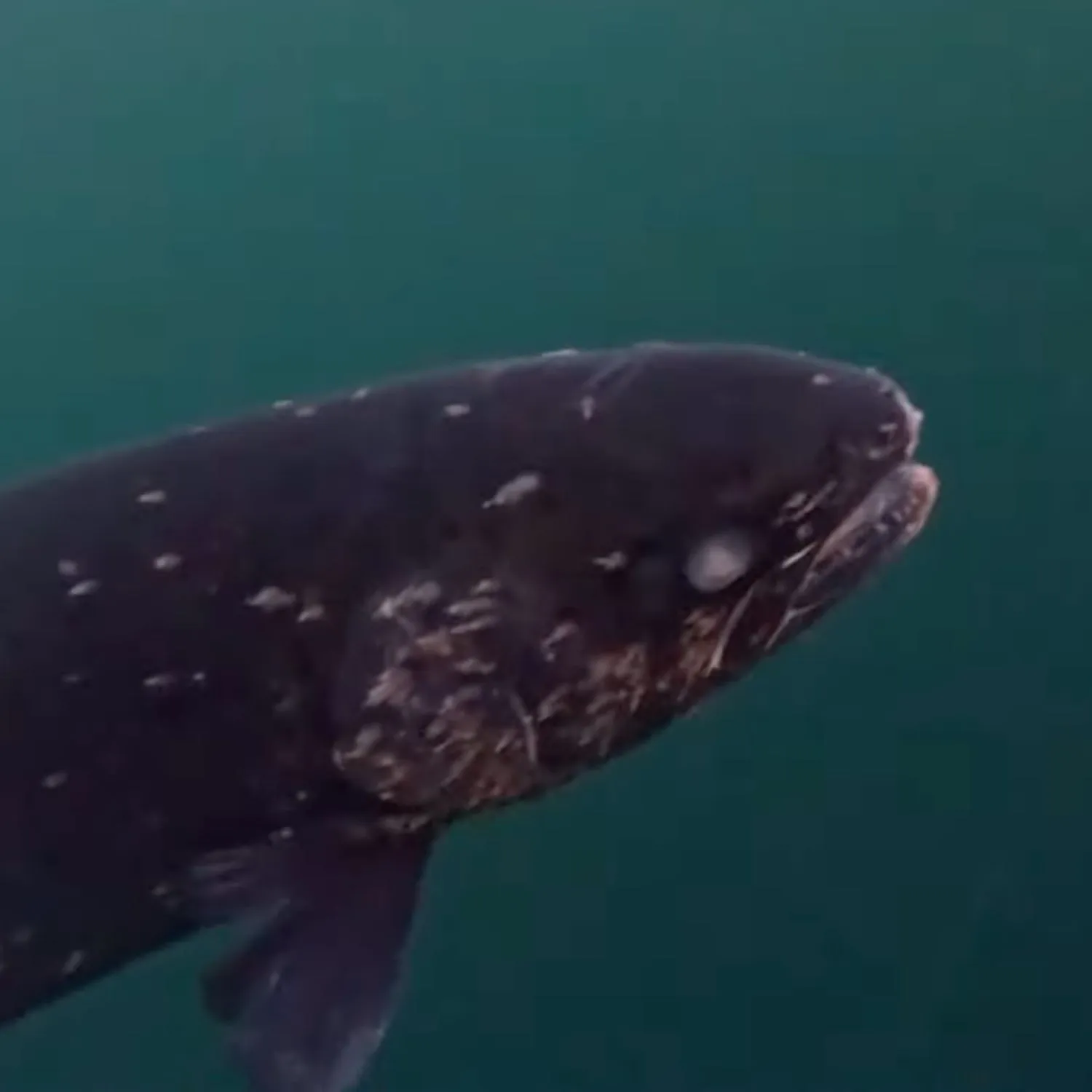
Our analysis revealed 1,274 weekly lice counts exceeded the industry’s own Code of Good Practice (CoGP) lice guidelines last year – both during and outside of the ‘sensitive period’. This figure is over one-third higher than the year before, with 934 lice counts exceeding recommended levels in 2024.
Mandatory reporting of lice came into force in March 2021, so while lice figures were at an all time high that year, a full 12 months of reporting was not provided; that makes 2025 the worst full calendar year on record for sea lice levels since mandatory reporting began.
The latter half of 2025 saw a sharp escalation in lice levels, with averages significantly higher than in previous years (0.50 in 2022, 0.48 in 2023, 0.42 in 2024 and 0.57 in 2025). In August 2025 alone, average lice counts more than doubled compared to August the previous year. Loch Leven, a salmon farm operated by Mowi – the world’s largest salmon firm – reported lice levels more than 15 times higher than CoGP limits. Concerningly, an inspection report from a farm operated by Loch Duart – Loch A Chairn Bhain – in November 2025 recorded far higher counts of lice on sick and dying fish: “On inspection of the site a number of moribund fish (estimate 100 per pen) were observed at the perimeter with in excess of 40 lice and white grazing damage was observed on the heads and behind the dorsal fins.”
Speaking to this, Abigail Penny, Executive Director of Animal Equality UK, said: “It is sickening that these animals were essentially eaten alive by over 40 lice – their suffering cannot be overstated. This is shameful and the Scottish Government must urgently reflect as to how standards on any salmon farm could have deteriorated to this point.”
Continuing, she added:
It is impossible to take the Scottish salmon industry seriously when its claims are so far from reality – how can it claim that lice levels are low when its own data proves they are among the highest on record? Despite continued attempts to downplay concerns, the evidence points to an industry spiralling out of control. From staggering death rates on farms and high lice levels, to mass fish escapes, worker amputations, and footage of animals being beaten to death, the public is witnessing the true cost of this destructive industry and it is totally unacceptable.
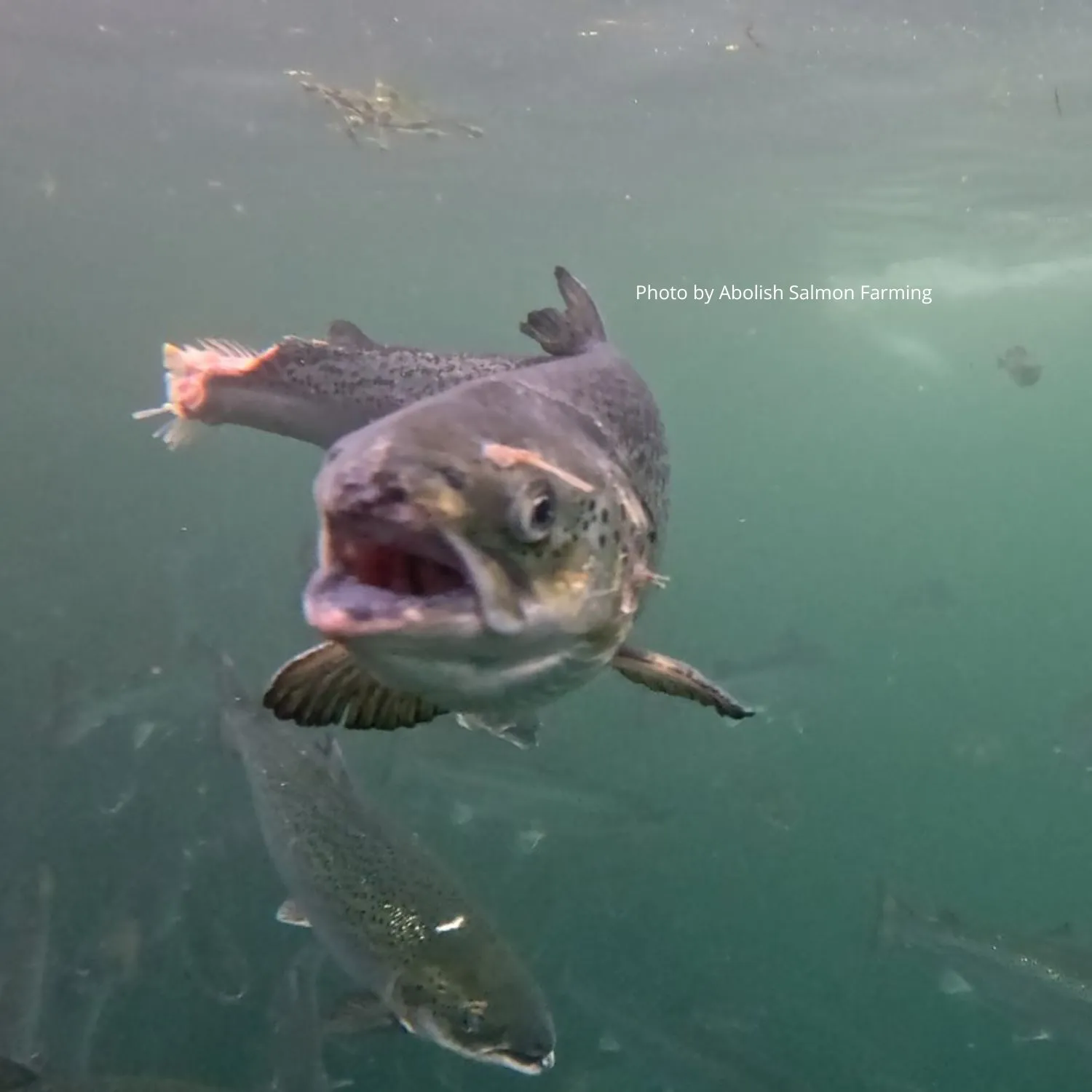
The Scottish salmon industry has found itself embroiled in a number of scandals over recent weeks and months. Despite claiming “better survival” on farms, data gathered by the Fish Health Inspectorate evidences that October and November 2025 saw over three-quarters of a million fish die from jellyfish or disease on a single site in Shetland and over 11 million fish die across Scotland on farms last year (excluding December).
The industry also proudly broadcast recently that it “reduced its use of antibiotics to the lowest level on record”, but was forced to retract and amend the claim when campaigners discovered an error in reporting. The sector’s antibiotic usage was in fact underreported by a staggering 66%.
Despite lice reports continuing to exceed industry limits, farms lodged over 200 appeals against new lice enforcement controls, in what campaigners deemed an act of “sabotage” to stall new lice measures.
As tensions mount, the Scottish Government’s Rural Affairs and Islands Committee is due to hold a Parliamentary session on 25th February to question salmon farming executives as part of its ongoing inquiry into the industry. In early 2025, the Committee released a damning report comprising dozens of recommendations for improved regulatory oversight and expressed concern over the ‘long-term viability’ of the industry. One year has since passed and in March the Committee is expected to provide a final update, with many concerned calling for a halt to the industry’s expansion.
Protect Fish
Scientists confirm that fish feel pain and suffer. Protect these sensitive beings by choosing plant-based alternatives to animal food products.