
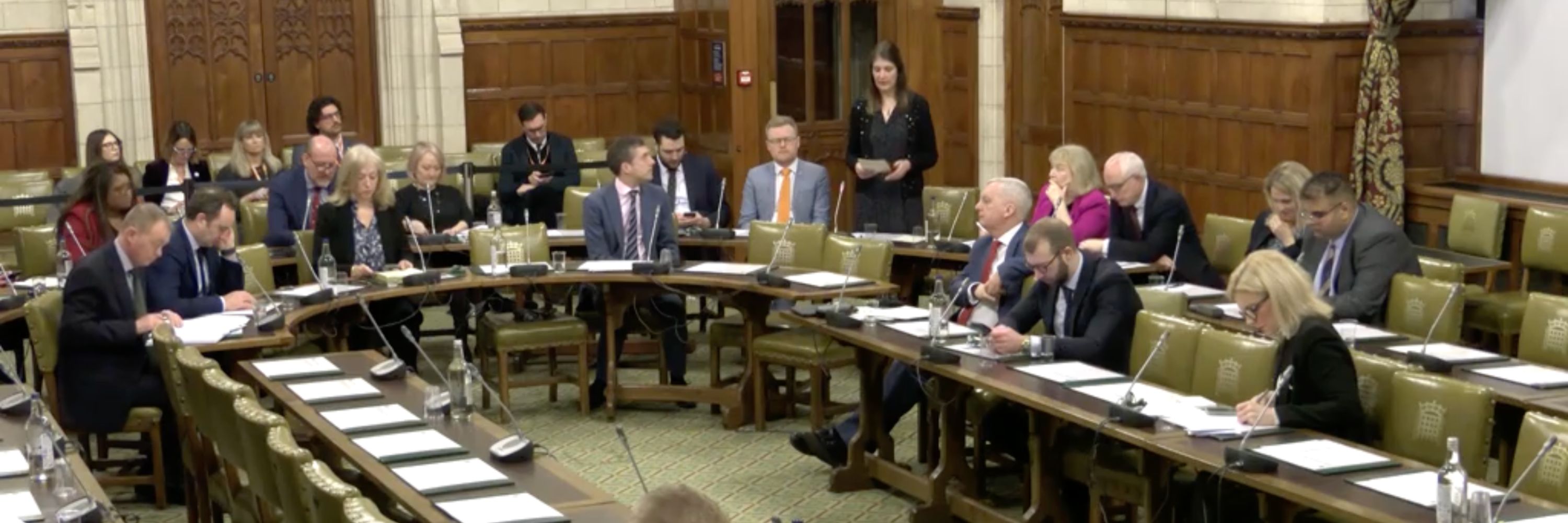
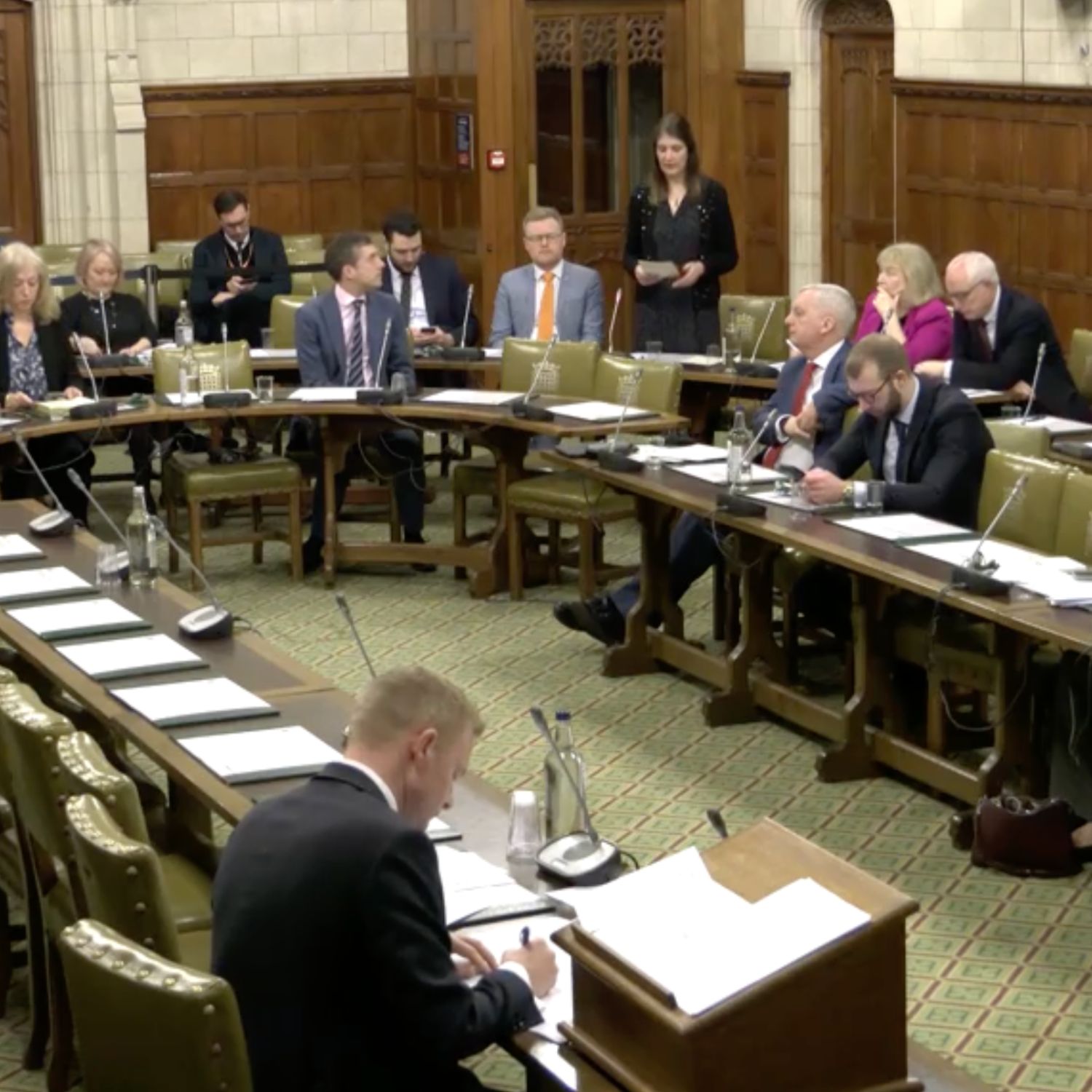
Westminster Hall debate on the Animal Welfare Strategy for England
Today we attended the Westminster Hall Debate, brought forward by Samantha Niblett MP, on the Animal Welfare Strategy for England – a landmark plan, detailing this Government’s overarching approach which, once implemented, will have a direct impact on the lives of millions of farmed animals every year by ending some of the most egregious practices committed on farms and at slaughter.

A month after this headline promise was published, MPs gathered to discuss its content, voice their support and concerns, and raise important questions.
A great number of MPs attended, and many said their driving force for attending and speaking was their constituents – including approximately 200 Animal Equality supporters who urged their MPs to attend. They all shared how their constituents have been flooding their inboxes with thoughts, hopes, and concerns about the welfare of animals in this country. It was an important reminder of the indelible mark your voice can have on these important matters.
Many of those who spoke pointed to commitments in the Animal Welfare Strategy, expressing support as well as concern about the ongoing issues it aims to address, including:
- Ending cages for hens used for their eggs
- Male chick killing in the egg industry (since males don’t lay eggs)
- Banning farrowing crates for mother pigs
- Farmed fish slaughter legislation
- Banning high-intensity CO2 gassing of pigs
- Proper enforcement and scrutiny on farms
We were certainly pleased to see all these issues receive the attention they deserve – especially given they have the potential to impact millions of animals every year.
If properly implemented, these commitments could impact:
- Approximately 7 million hens still kept in colony cages
- 40-45 million male chicks who are killed each year
- Around 200,000 mother pigs who give birth while confined in farrowing crates
- 77 million fish, who are farmed and slaughtered in appalling conditions
- Around 90% of pigs being gassed by CO2
There was also a common thread among those who spoke: concerns about what was missing from the strategy. These centred mainly on the need for more transparent labelling and the risk posed by lower-welfare imports.
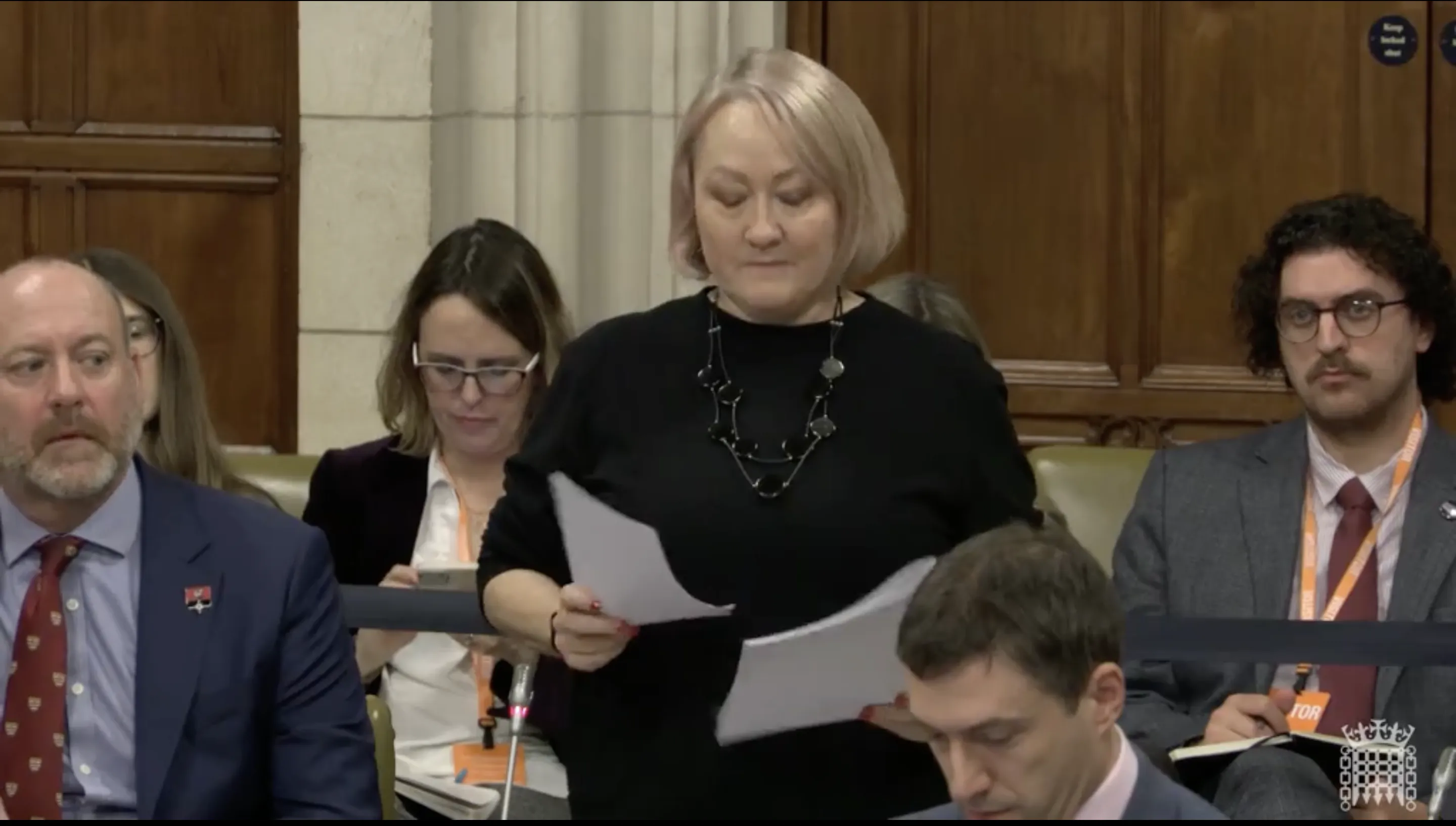
Overall, many MPs urged Angela Eagle, Minister of State at the Department for Environment, Food, and Rural Affairs (Defra), to prioritise enforcement, enable transparent tracking of progress, and most importantly, translate headline commitments into tangible action. As Labour MP, Navendu Mishra put it: “…ambition must now be matched with urgency, clear timelines, and strong legislation.”
In response, Minister Angela Eagle spoke broadly on the Animal Welfare Strategy’s commitments and reiterated that the Government will not be able to implement everything in one go. Some commitments will require primary legislation, others consultation, while the key early priority will be ending cruel cages and crates.
As Green Party MP, Adrian Ramsay, said in today’s debate, “Animals should not suffer at our hands.” This Strategy, today’s debate – and the MPs who spoke up because their constituents urged them to – should encourage us that when our movement and our supporters speak up – alongside charities, campaigners, and the public – politicians listen. As Lib Dem MP, Tim Farron, put it: “Animals don’t get to decide how humane we are. That is for us to choose.”
Even with progress, farmed animals will still suffer in a system that treats them as commodities. That is why moving towards a plant-based diet is the best step we can take. But we also welcome these pledges – because they can spare millions of animals some of the worst harms right now.
The next step in this journey sparked by the Animal Welfare Strategy is the Consultation on Cage Reform. The consultation is open now and we will soon share a simple guide to help you take part.
This is a real opportunity for you to add your voice and help secure a potentially landmark change for hens.
If you would like further guidance on how to respond, we will send you everything you need to get started – just email our campaigns team by clicking on the button below.
And remember cage-free is not cruelty-free. These reforms can reduce some of the worst suffering, but the most powerful step you can take for animals is to choose a plant-based diet and leave animal products off your plate.
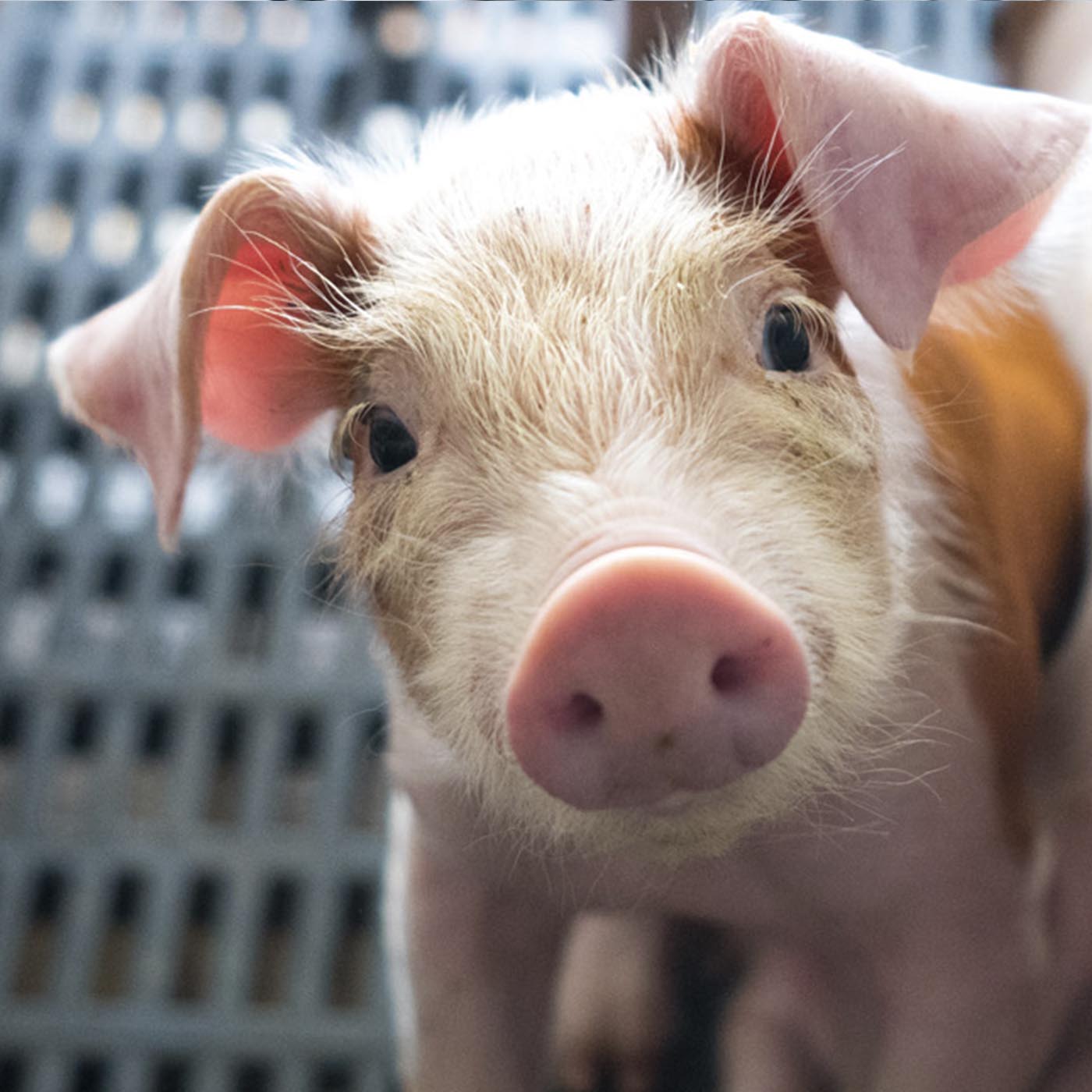
Protect pigs
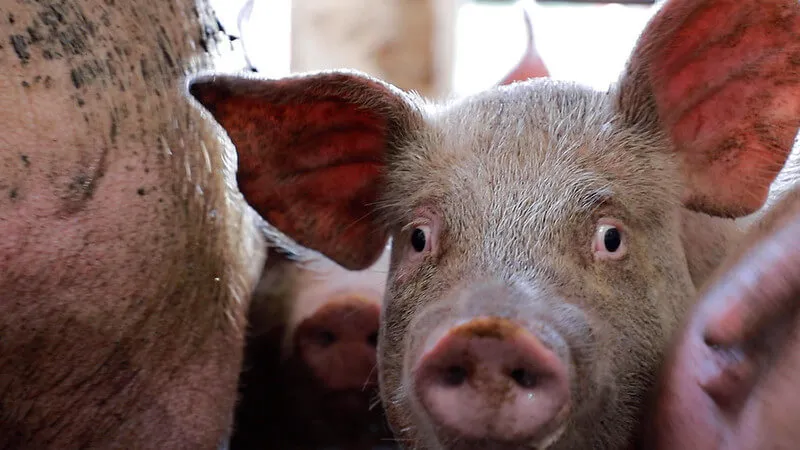
Pigs are highly social animals who are often considered smarter than dogs. You can protect these intelligent animals by simply choosing plant-based alternatives.