
The European Commission responds to AE Germany’s Animal Protection Appeal
In mid-June, Animal Equality Germany addressed a high-profile animal protection appeal to EU Commission President Ursula von der Leyen. This timing was chosen deliberately, as the EU Commission had announced its “Livestock Strategy” for early July. It was set to determine whether the legislative proposal planned for the fourth quarter of 2026 would include binding measures such as a cage ban.
With this appeal, Animal Equality is calling for the phase-out of cage farming, a ban on the routine killing of male chicks in the egg industry, and a level playing field in the EU single market.
Signatories include prominent experts such as world-renowned animal ethicist Prof. Peter Singer, internationally leading public international law expert Prof. Anne Peters, criminal law scholar and constitutional judge Prof. Dr. Elisa Hoven – well known from television and media – Harvard graduate Prof. Dr. iur. Charlotte E. Blattner, as well as the State Animal Welfare Officers of Bremen, Lower Saxony, and Hesse.
The EU Commission responds to our demands
Around two weeks after Animal Equality’s animal protection appeal to Ursula von der Leyen, the EU Commission published the so-called “Livestock Strategy“. In it, the Commission states that it intends to put forward legislative proposals that include, among other things, a gradual phase-out of cage farming and an end to the routine killing of male chicks in the egg industry. This is an important signal from policymakers.
We have now received a personal response to our animal protection appeal. The EU Commission confirms that the “Livestock Strategy” aligns with our demands. The Commission intends to “propose, by end 2026, a targeted revision of the animal welfare rules for laying hens and broilers, focusing on the gradual phase-out of cage keeping, practical on-farm animal welfare indicators, ending the systematic killing of male chicks, and equivalent import requirements.” It further states: “By Q2 2027, a similar proposal on pig welfare is also planned, covering the transition from stall to pen housing systems.”
We’re staying on it
We view the European Commission’s response as an important signal. It reaffirms the intention to revise animal welfare regulations in line with the Livestock Strategy.
But words alone don’t create change for animals. We must continue to put pressure on the EU Commission to ensure it keeps its promises and meets its deadlines. It must now draft consistent legislative proposals – with transition periods that do not prolong animal suffering and without exceptions or loopholes.
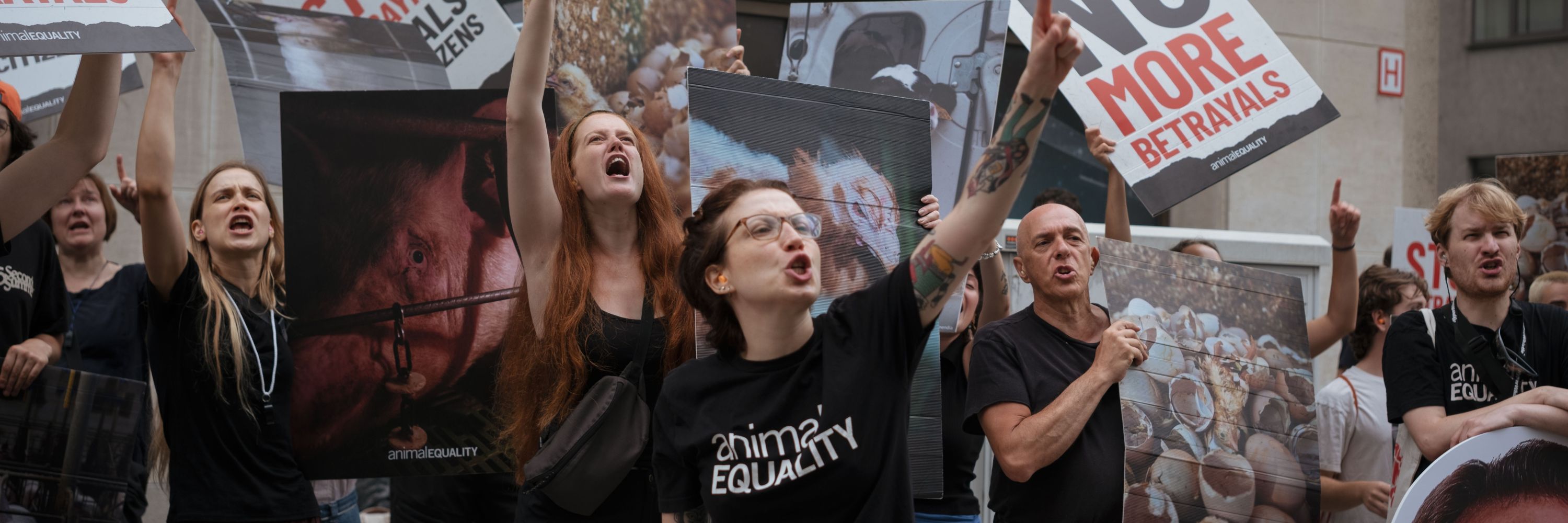
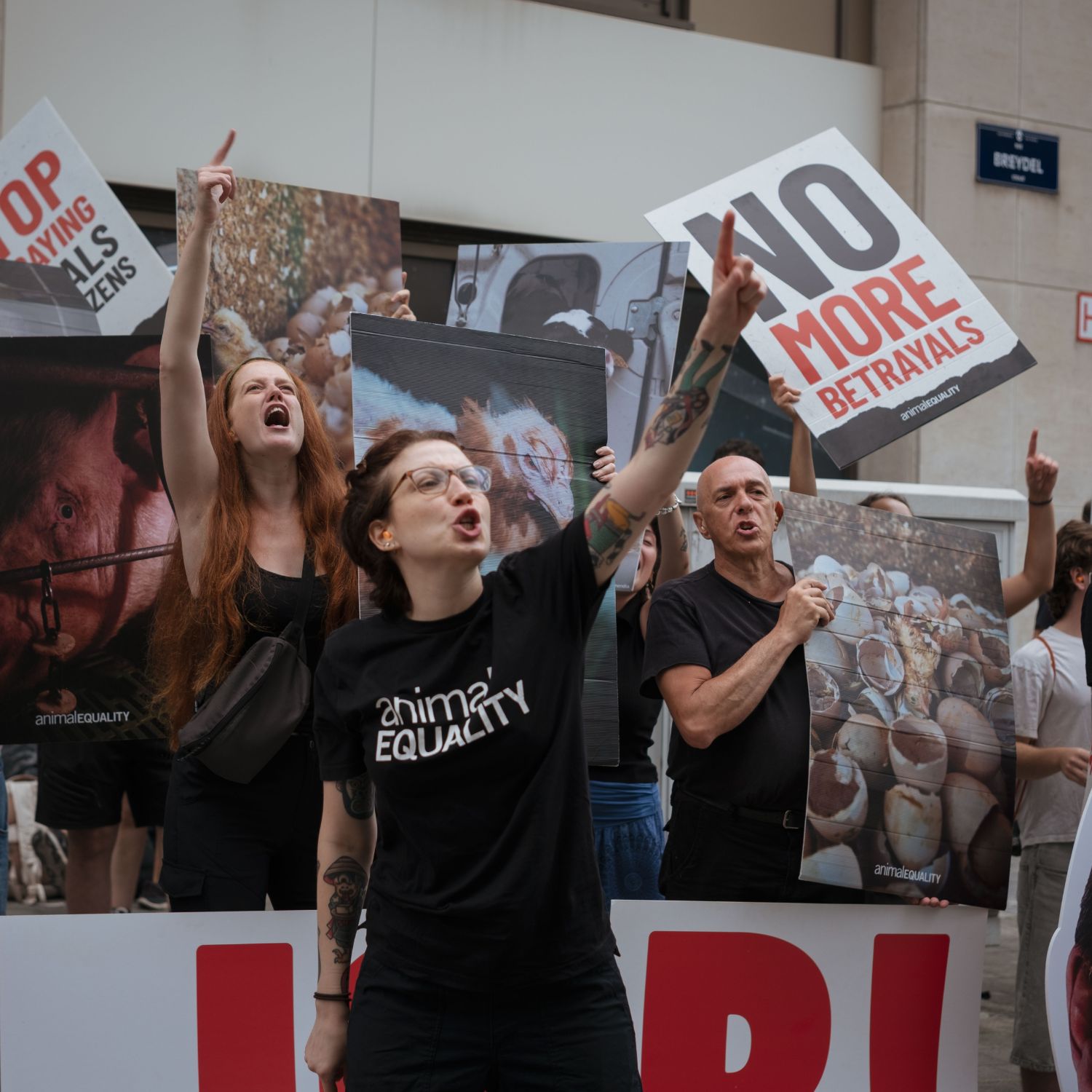
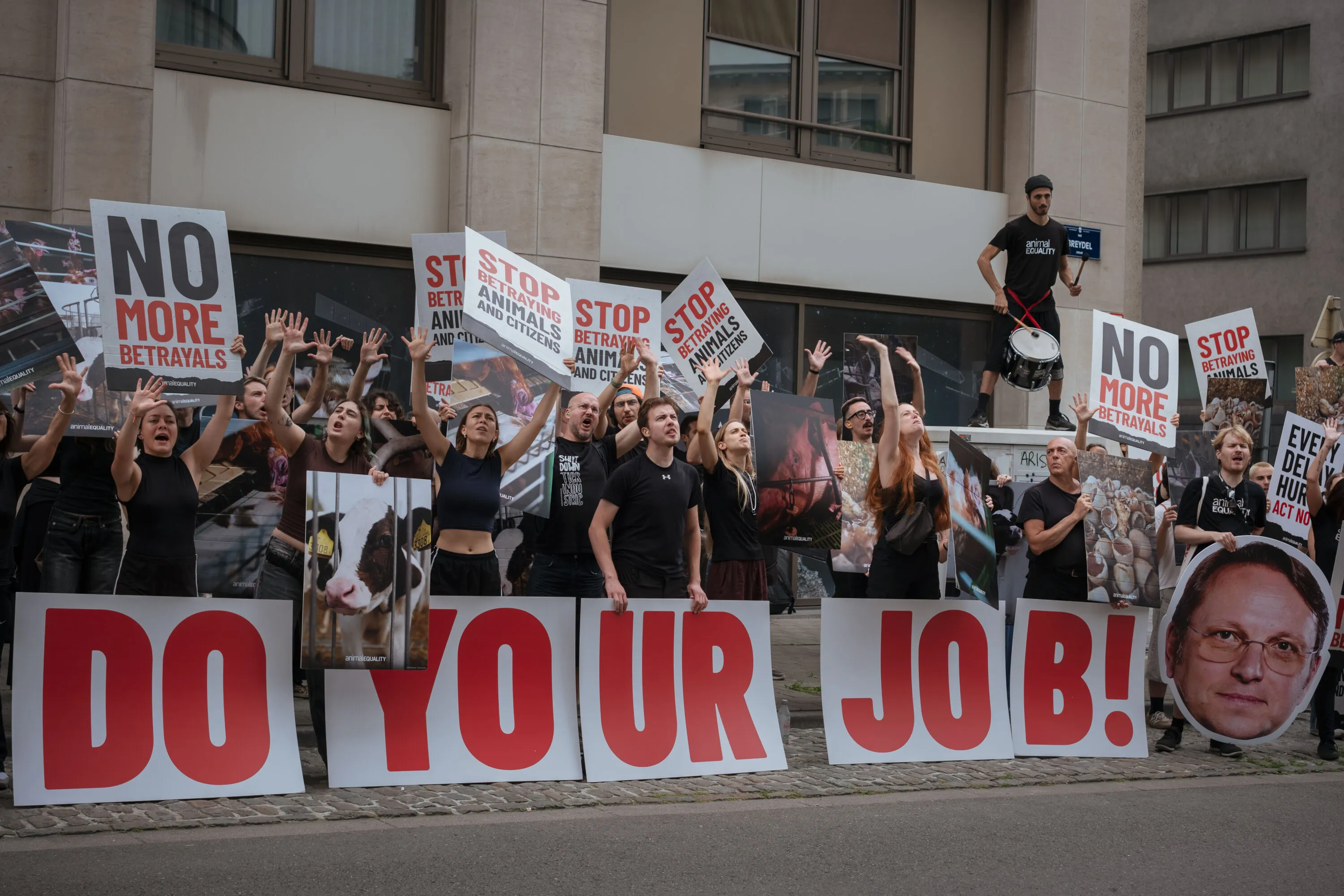
Over the past months, we have fought together and intensively for animal protection reform. Alongside our animal protection appeal together with other organisations and experts, hundreds of activists from across Europe have repeatedly protested in Brussels at the doors of the EU Commission against cages and for an end to the routine killing of male chicks in the egg industry. Our Animal Protectors have sent thousands of messages to those responsible, urging them to act. Tens of thousands of people have signed Animal Equality’s Open Letter to the EU Commission.
Take action for animals in Brussels this September as we call for binding legislation to end cages and the routine killing of day-old male chicks in the egg industry, once and for all.
Our Animal Protection Appeal in Detail
With Animal Equality Germany’s appeal, we called on the European Commission to submit the legislative proposal planned for the fourth quarter of 2026 – to revise EU animal welfare regulations – on time, and to design it in such a way that it:
- Provides for a gradual phase-out of cage farming.
- Includes a ban on the systematic killing of male chicks in the egg industry.
- Ensures fair competitive conditions in the EU single market by reducing competitive distortions at the expense of farms and market operators that have already invested in higher animal welfare standards, while at the same time advancing the alignment of requirements for imports into the EU and effective controls.
The approximately 50 signatories include internationally leading experts from veterinary medicine, law, philosophy, ethics, political science, and behavioral biology. In addition to the many supporters in Germany, experts and organisations from Switzerland, Austria, the United States, and here in the United Kingdom have also joined the call.
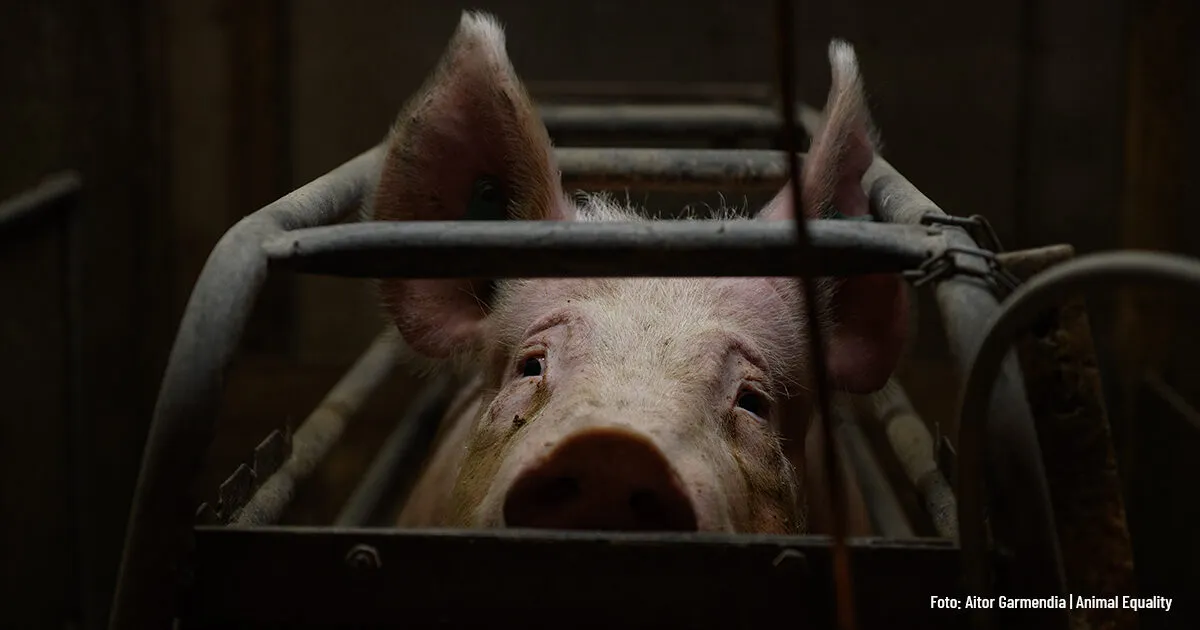
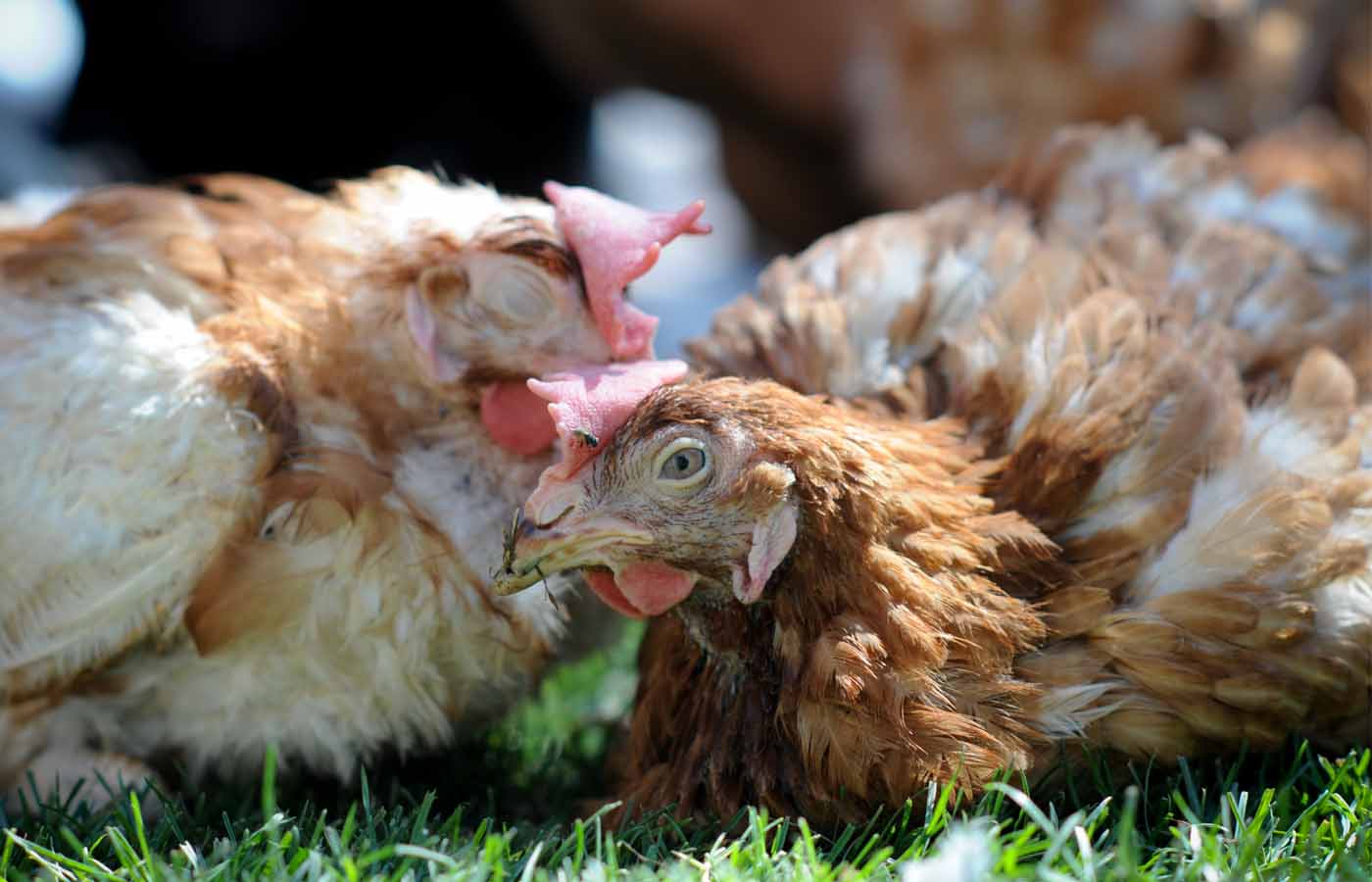
Every day the EU Commission fails to act means further suffering for millions of sentient beings in cages — with no ability to move or express natural behaviors. The Commission knows this and has promised to act. But the legislative proposal has yet to materialize. The problem does not lie with a lack of willingness in society or industry — it lies with a politics that ignores the will of its citizens and fails to keep its own promises.
– Vanessa Raith, Director of Animal Equality Germany
Science and the public agree
The scientific community agrees: The European Food Safety Authority (EFSA), commissioned by the EU Commission itself, has clearly stated in several scientific opinions (including on pigs, laying hens, ducks, geese, and quails) that cage farming is associated with significant animal suffering and must be ended.
In addition, the EFSA has highlighted animal welfare concerns regarding male chick culling and recommended the development and use of alternatives.
Citizens have spoken: The European Citizens’ Initiative “End the Cage Age” was supported by more than 1.4 million people in 2019. According to Eurobarometer 2023, 84% of Europeans are calling for better protection for farm animals. In the Commission’s public consultation (2025), the vast majority of over 190,000 responses supported ending cage farming.
Now the European Commission must deliver.

What you can do for the animals right now:
- Join our next protest actions in Brussels to increase the pressure on decision-makers. Learn more and sign up!
- Make a consistent choice for plant-based foods and take a stand against animal exploitation. Discover Love Veg.
Defend hens and chicks
Each chicken has less than the space of a single sheet of A4 paper to live in on a typical UK egg farm. You can save chickens from a life of misery by replacing eggs in your meals with plant-based alternatives.