
Every Cow Is Someone: The Individual Lives of Cows
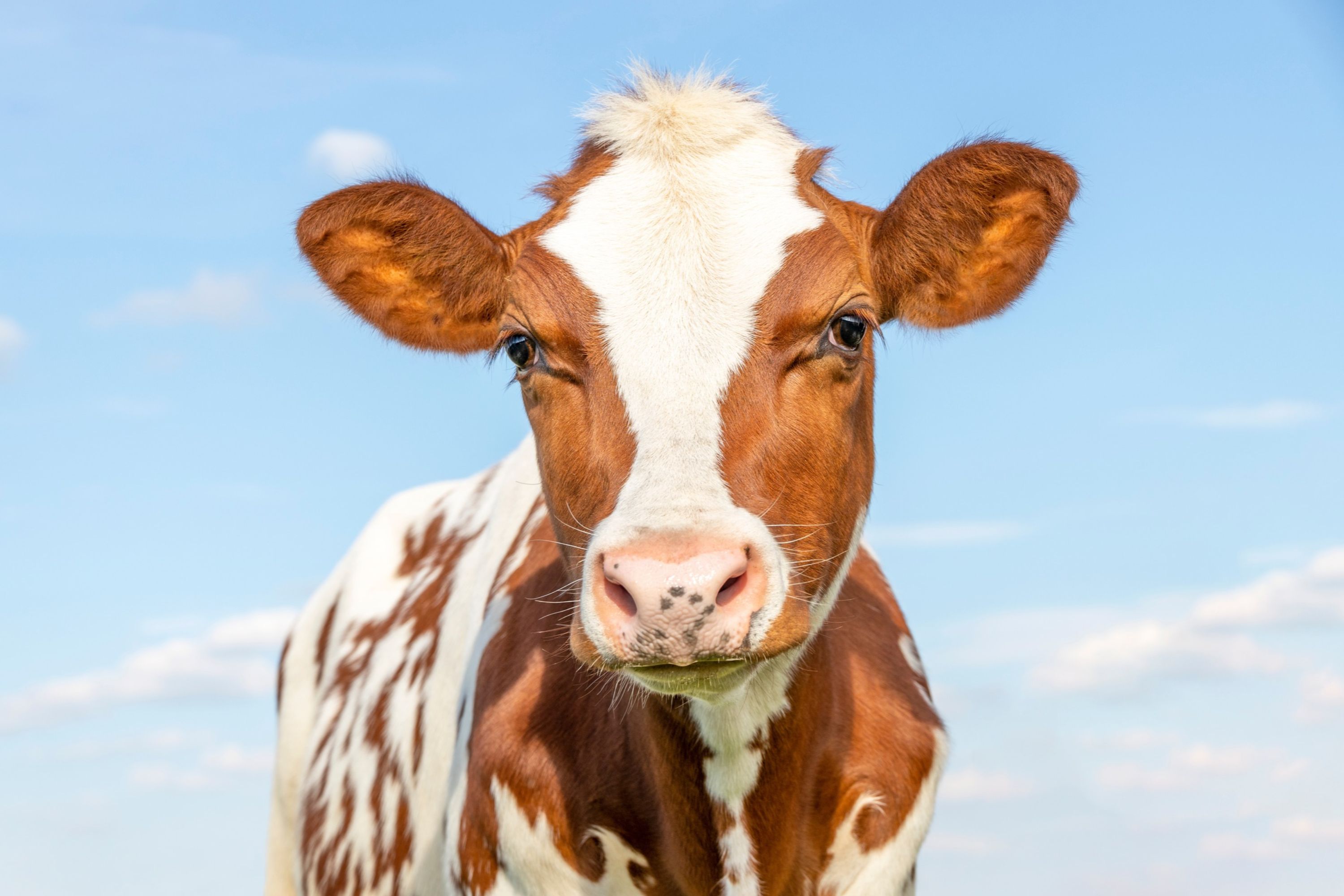
Did you know that cows have friends? Not in a vague sense, real friends. Within a herd, cows form smaller groups and clearly prefer the company of the ones they know best. A classic long-term study of a free-ranging herd found that cows consistently grazed, rested and groomed alongside particular partners, often relatives or animals they had grown up with, and research on modern dairy farms has shown that long-standing bonds matter more to cows than recent ones. They remember who their friends are, and they choose to stay close to them.
That same attentiveness extends to us. Earlier research showed that cows can tell individual people apart even when those people are dressed alike, and another study went even further. When researchers showed cows videos of two people, one expressing joy and one anger, the cows chose to stay closer to the person who expressed joy in the video upon meeting them both in person. A cow, in other words, isn’t simply reacting to shapes and sounds; she is building a picture of who is in front of her.
Which is exactly what makes the way we treat them so hard to sit comfortably with. Here is an animal who knows her companions and recognises the people around her, and yet in the UK alone around 2.6 million cows are used for their milk every year, most of them shut in sheds for roughly half the year, and on a growing number of “zero-graze” farms, never let out onto grass at all.
Because a cow, like any mammal, only makes milk after giving birth, her life in the industry is built around pregnancy. She is first artificially inseminated at around 15 months old, and when her calf arrives, the two are typically separated within hours so the milk can be bottled instead. Animal Equality’s investigators have filmed mothers and newborns calling out to each other for hours afterwards. That is painful to read alongside the science, because when researchers compared calves raised with their mothers to those reared artificially, the mother-reared calves coped better with being alone and with meeting an unfamiliar cow in a new place. A mother’s presence shapes who a calf becomes, and the industry takes it away almost immediately. Female calves usually spend their first eight weeks alone in hutches before joining the herd to take their mothers’ place, while male calves, of no use for milk, are often killed young; around 65,000 under a month old were slaughtered in UK abattoirs in 2021.
Meanwhile, the mother is impregnated again, and the cycle of pregnancy, birth and separation repeats, on average three or four times. Bred to produce far more milk than she ever would naturally, she is often worn down by illness along the way, with up to half of dairy cows affected by mastitis and up to 30% by lameness, and once her yield drops she is sent to slaughter.
So we are left with an uncomfortable truth. These are animals with friendships, memories and inner emotional lives, each one an individual with her own companions and her own way of meeting the world, trapped in an industry that profits from their exploitation. The good news is that we don’t have to take part in it.
Leaving dairy and meat off your plate is the surest way to keep cows from these fates, and our free plant-based recipes are an easy place to start. And next time you pass a field, it’s worth looking a little longer to admire these animals.
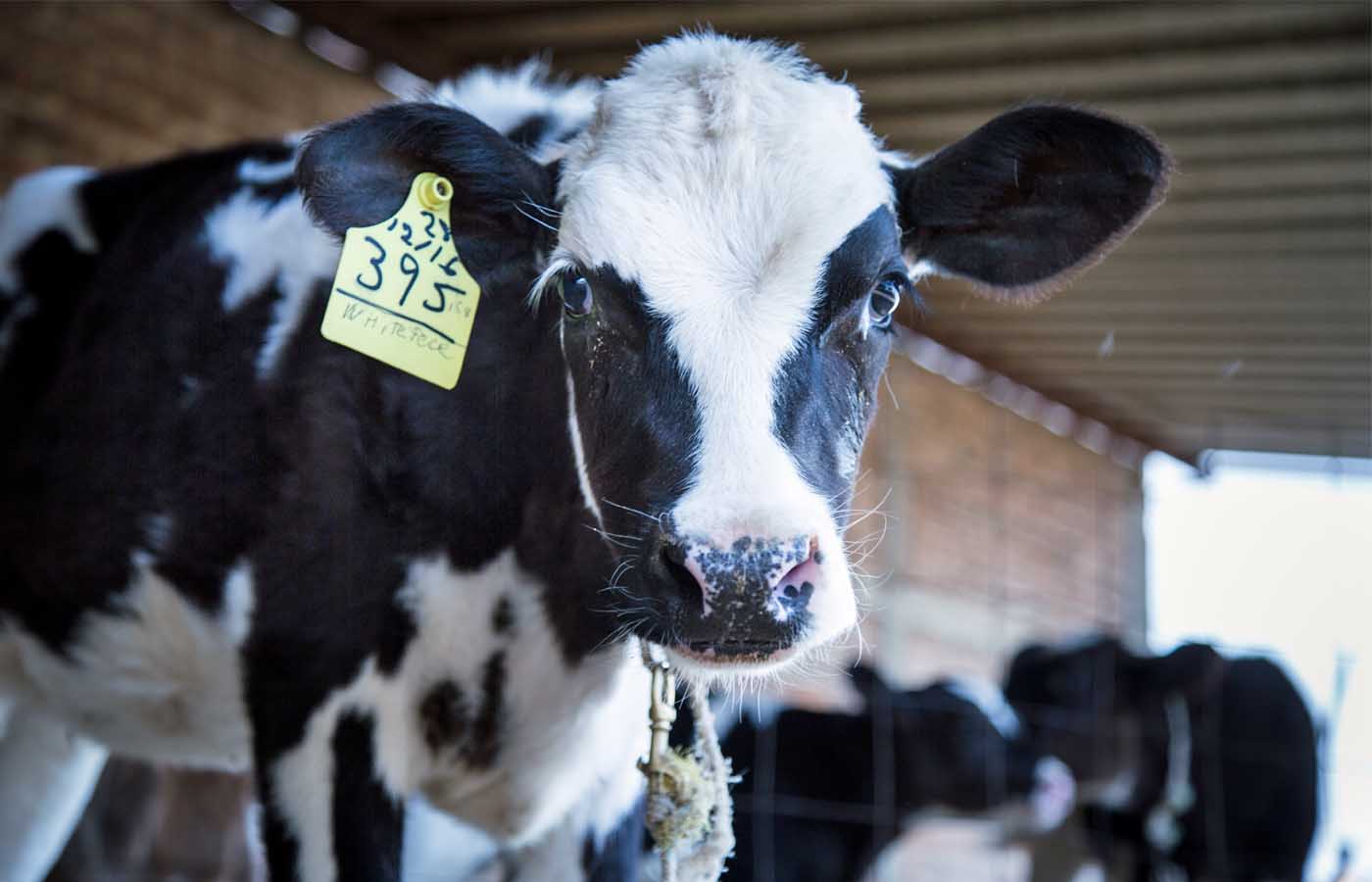
Protect cows and calves
Every day mother cows are separated from their newborn calves, just so milk can appear on the shelves of supermarkets. Protect cows by choosing plant-based dairy alternatives.