Animal Equality Calls for Stronger Farmed Animal Protections in New UK–EU Agreement
On the afternoon of Tuesday, 29th September, approximately 300 Animal Equality colleagues and volunteers from around the world returned to Schuman Square in Brussels – a roundabout square facing the European Commission’s building – for what would be their second protest of the day. For the second time that day, 300 voices would be raised as one, calling on the Commission to finally deliver on its long-awaited, promised legislation for animals across the EU; including banning the cruel caging of hens, pigs, and rabbits, as well as an end to the routine killing of male chicks, deemed ‘worthless’ by the egg industry since they don’t produce eggs.
Their voices travelled beyond the square.
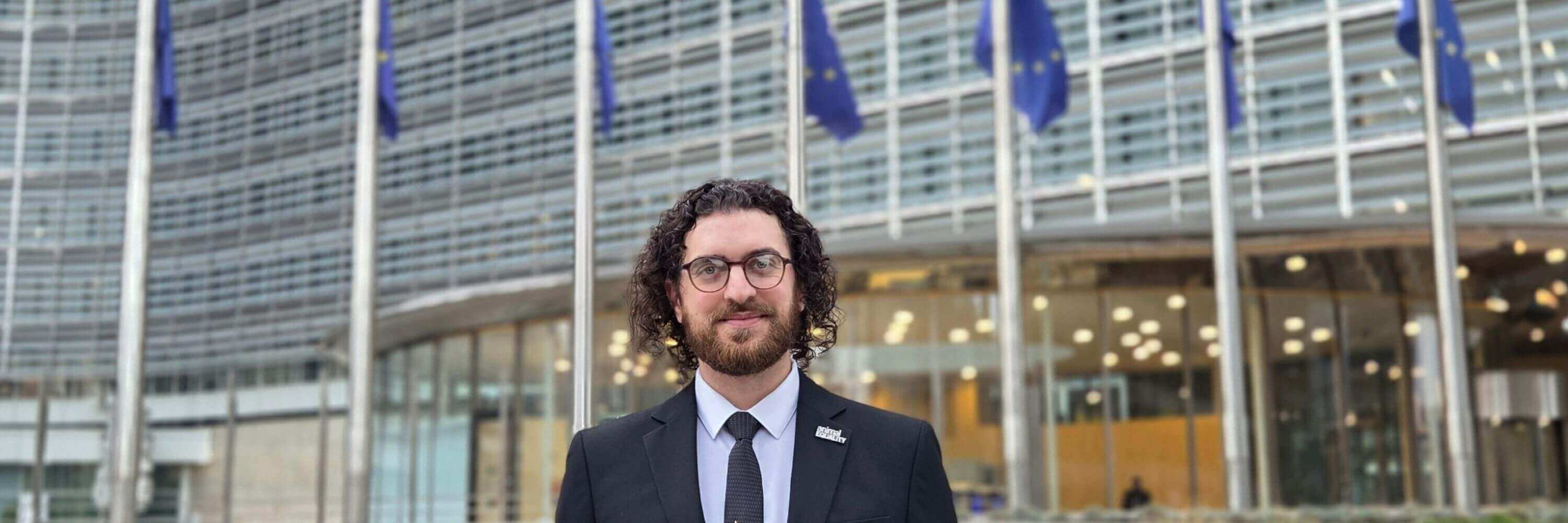
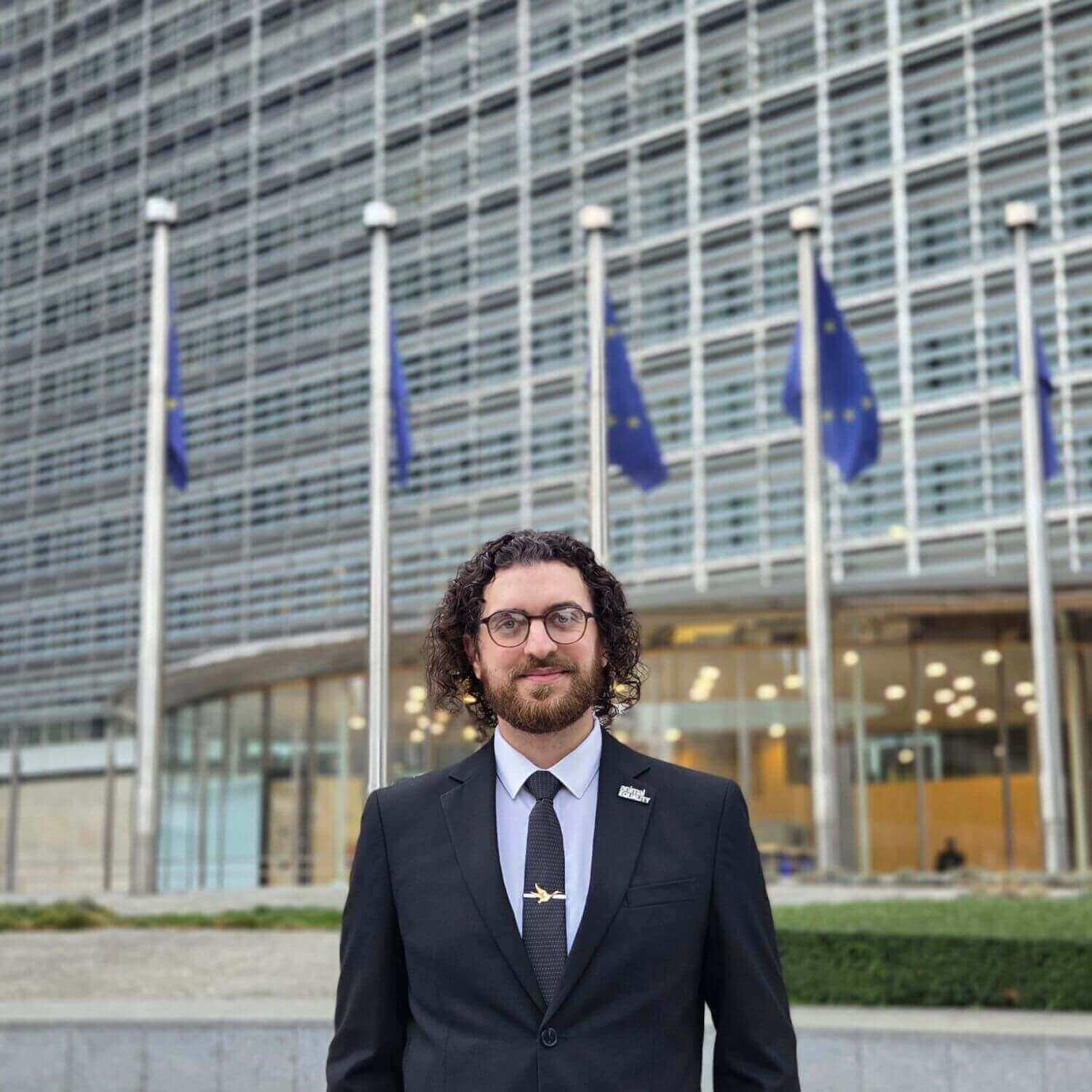
Because at the same time, a small group of us from Animal Equality UK, dressed in suits and carrying presentations and briefings, walked into the European Parliament.
We were there to present at a roundtable hosted by Tilly Metz MEP, where we would discuss what the emerging UK-EU trade agreement could mean for farmed animals in Great Britain.
The discussion brought together Members of the European Parliament, UK Government representatives, animal-protection organisations and Animal Equality colleagues from across Europe.
Why this trade agreement matters for animals
The UK and EU are negotiating a new trade agreement, known as a sanitary and phytosanitary, or SPS, agreement.
Its main purpose is to make it easier to move products between Great Britain and the EU by removing many of the certificates and routine border checks currently required after Brexit.
The rules being discussed include protections for animals during transport and at the time of slaughter. Decisions made through the agreement could therefore affect millions of farmed animals every year in the UK.
Equally, many Animal Equality supporters – in fact more than 330,000 petition signatories – have joined our tireless campaign for a long-awaited and promised end to the UK’s importation of foie gras produced by force-feeding.
That promise has now become entangled with the ongoing UK–EU negotiations. The Government has not confirmed that a ban depends on the outcome of the agreement, but it has repeatedly declined to explain how the two issues interact. This uncertainty risks creating yet another delay.
Under the proposed agreement, Great Britain would keep its rules aligned with relevant EU rules as they change. This is known as dynamic alignment.
Put simply, when the EU changes a rule covered by the agreement, Great Britain would normally be expected to make the same change.
Our presentation explored what that could mean for animals in practice.
In some cases, this dynamic alignment could mean that EU progress could help raise standards in Great Britain. For example, if the EU decided to end the routine killing of male chicks, and this fell within the scope of the final agreement, then Great Britain could be expected to introduce the same protection.
Great Britain has also already gone further than the EU in some areas.
The export of certain farmed animals from Great Britain for slaughter or fattening is now prohibited. But EU law continues to regulate these journeys rather than generally banning them. This shows why any new agreement must protect higher standards that are already part of British law.
England has also committed to consulting on ending high-concentration carbon dioxide stunning of pigs – which causes immense agony to nine million pigs every year in the UK – and introducing detailed slaughter rules for farmed fish, who currently have no species-specific laws in place here.
It is important that closer cooperation with the EU supports these commitments rather than placing new obstacles in their way.
Finally, our presentation considered what the agreement could mean when Great Britain wants to restrict an EU product – in our case, force-fed foie gras – because of the cruelty involved in producing it. The initial UK–EU framework says that any exception from those shared rules must not negatively affect any EU goods entering Great Britain. It remains unclear what this would mean for a foie gras ban. That is precisely why the Government must explain whether and how it can still deliver its promise.
Working together for stronger protections
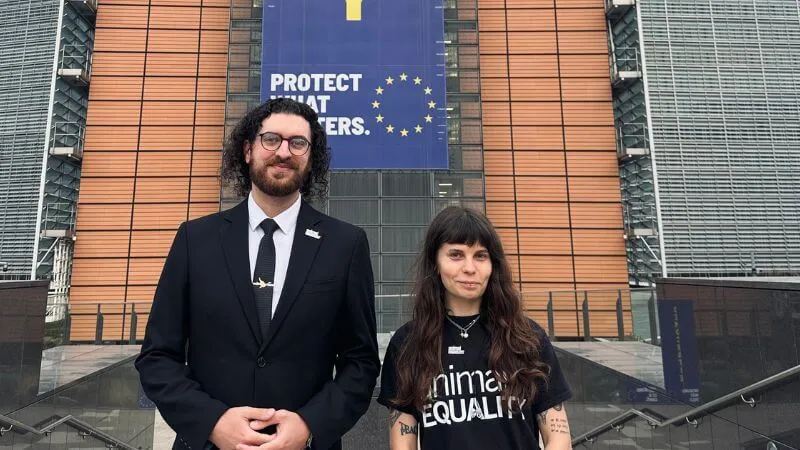
The roundtable gave UK Government representatives, MEPs and animal-protection organisations an opportunity to share their experience, identify common concerns and consider how future cooperation could meaningfully impact animals on both sides.
A clear message emerged from the discussion: closer relations between the UK and EU should create a stronger shared foundation for animal protection, while leaving room for either side to introduce increased legal protections for the animals trapped in farms and slaughterhouses.
Participants also recognised the importance of greater clarity and scrutiny as negotiations continue. MEPs and parliamentary advisers were concerned about how little information had been shared with either side and noted that this was highly unusual. Several agreed to explore ways of pressing the European Commission for greater transparency and continuing parliamentary scrutiny as the agreement develops.
Governments, parliamentarians and animal-protection organisations need enough information to understand how the agreement could affect existing protections and promised reforms.
The foie gras promise must not be forgotten
For Animal Equality UK, at the heart of this work and discussions have always been and will always be the promised ban on imports of force-fed foie gras.
We will never let this Government forget their promise.
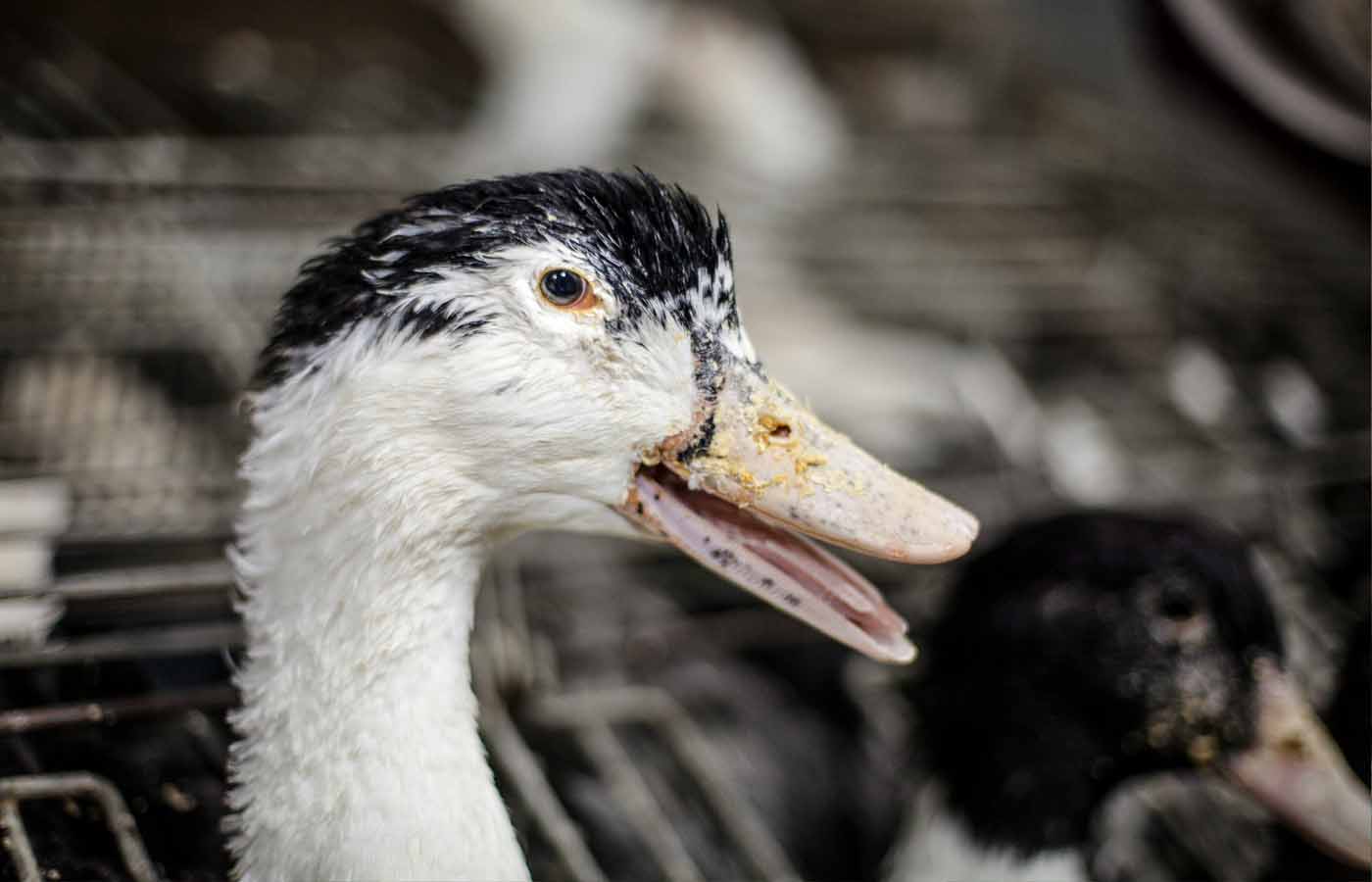
During force-feeding, pipes are pushed down the throats of ducks and geese and large quantities of food are pumped directly into their bodies. This causes their livers to become painfully swollen and diseased.
Producing foie gras in this way would breach UK animal-welfare legislation, yet importing and selling it remains lawful.
The current Government committed to ending imports of force-fed foie gras, but two years, three Ministers, and two Prime Ministers later, the promise remains unfulfilled. It has also not clearly explained how the proposed ban will be treated within the developing UK–EU relationship.
Animal Equality UK supports closer cooperation between the UK and EU, but trade negotiations must not become another reason to delay protecting animals from practices that would not be accepted in this country.
More than 330,000 people have already called for an end to this cruel trade. Together, we can show the Government that the public has not forgotten its promise.
Sign the petition and call on the UK Government to ban imports of force-fed foie gras.
END THE CRUELTY
Foie gras is immensely cruel. Its production causes ducks and geese severe physical and psychological pain. You can protect ducks and geese by opting for plant-based alternatives.