
Spanish Government recommends consumption of more plant-based protein
Following a proposal by Animal Equality in Spain, the Spanish Government’s new Catalogue of Ecological Technical Specifications incorporates animal welfare criteria that exclude eggs from caged hens in public sector purchases, while promoting more plant-based protein consumption.
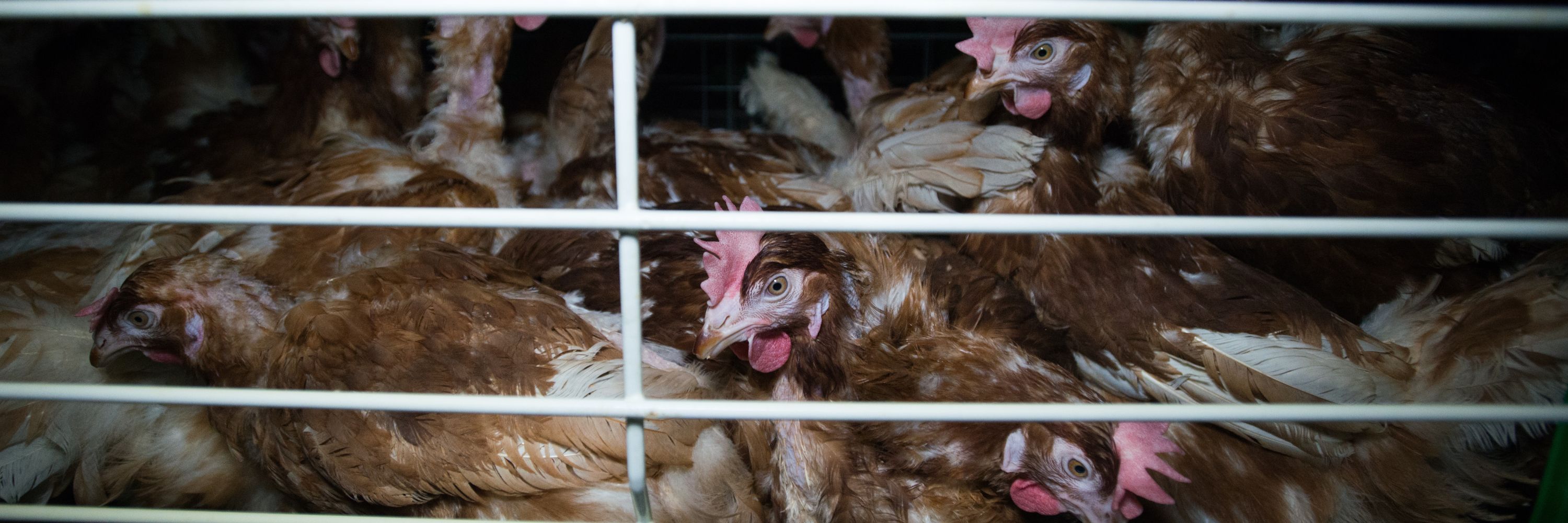
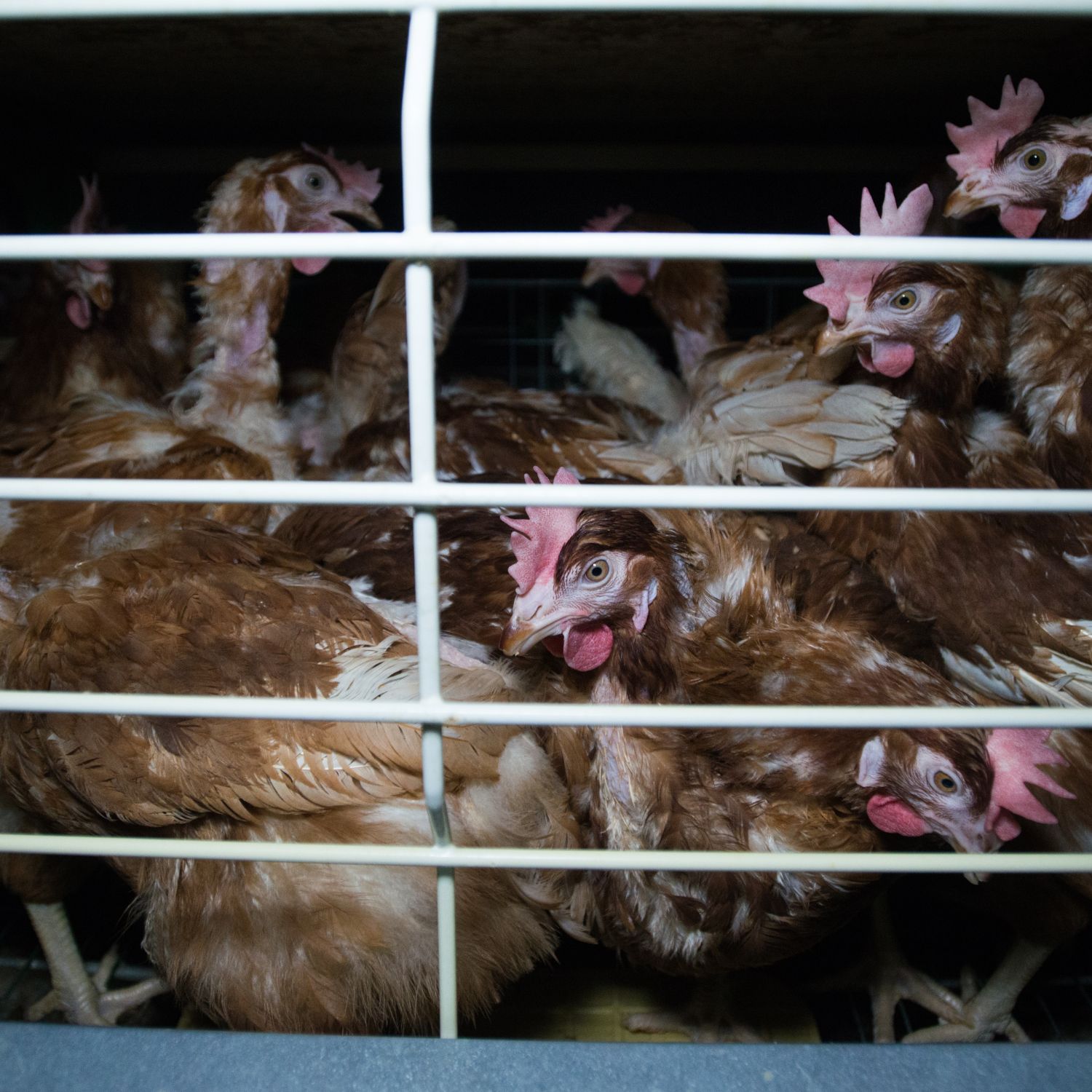
Hens in cruel confinement
Hens confined in cruel cages suffer terribly. They spend their entire lives in overcrowded, filthy conditions with hard wire floors – they cannot spread their wings, dust-bathe, or carry out many of their natural behaviours. Cage-free is far from cruelty-free – and the best way to spare hens from a lifetime of misery is to ditch eggs and meat from your diet – but it is an important move in the right direction.
In its Catalogue of Ecological Technical Specifications (PTE), a support tool for public procurement, the Spanish Government has for the first time established minimum animal welfare criteria for the purchase of eggs within the General State Administration and other associated entities of the state public sector. Animal Equality welcomes that its contributions have been incorporated into this historic document.
A move away from cruel confinement
A significant measure is that the purchase of shell eggs labelled with code 3 (corresponding to hens farmed in cages) is prohibited. Additionally, when non-organic eggs are purchased, at least 80% must be code 1 (meaning free-range eggs). To ensure compliance, the contracting authority will require the awarded company to provide a list of suppliers that meet these criteria.
This is a clear sign that eliminating cages is possible, measurable, and enforceable. If the General State Administration can purchase cage-free eggs, any company can do it as well
—Anna Mulá, Legislative Manager at Animal Equality in Spain
Reduction in the consumption of animals
Most promising of all, the Catalogue also introduces, for the first time, a requirement that 30% of food be plant-based protein, aligning with Animal Equality’s proposal to prioritise reducing the consumption of animal-derived products.
These criteria apply to all public sector food procurement, including cafeterias, institutional events, canteens, and catering services in public institutions and official bodies. They become mandatory once included in procurement tender specifications.
A UK cage ban on the horizon
In its Animal Welfare Strategy, the Government committed to a ban on cruel cages used for hens exploited for their eggs and mother pigs used for breeding of piglets for their meat. Once implemented, these bans will impact a staggering seven million animals annually.
While helping animals escape cages is critical, we must remember they remain trapped inside farms all around the world. The best thing we can do to protect them is to enjoy tasty, nutritious plant-based meals at every opportunity.
We partnered with Michelin-starred French chef, Alexis Gauthier, to produce a bespoke fine-dining cookbook. Download your free copy today!
Defend hens and chicks
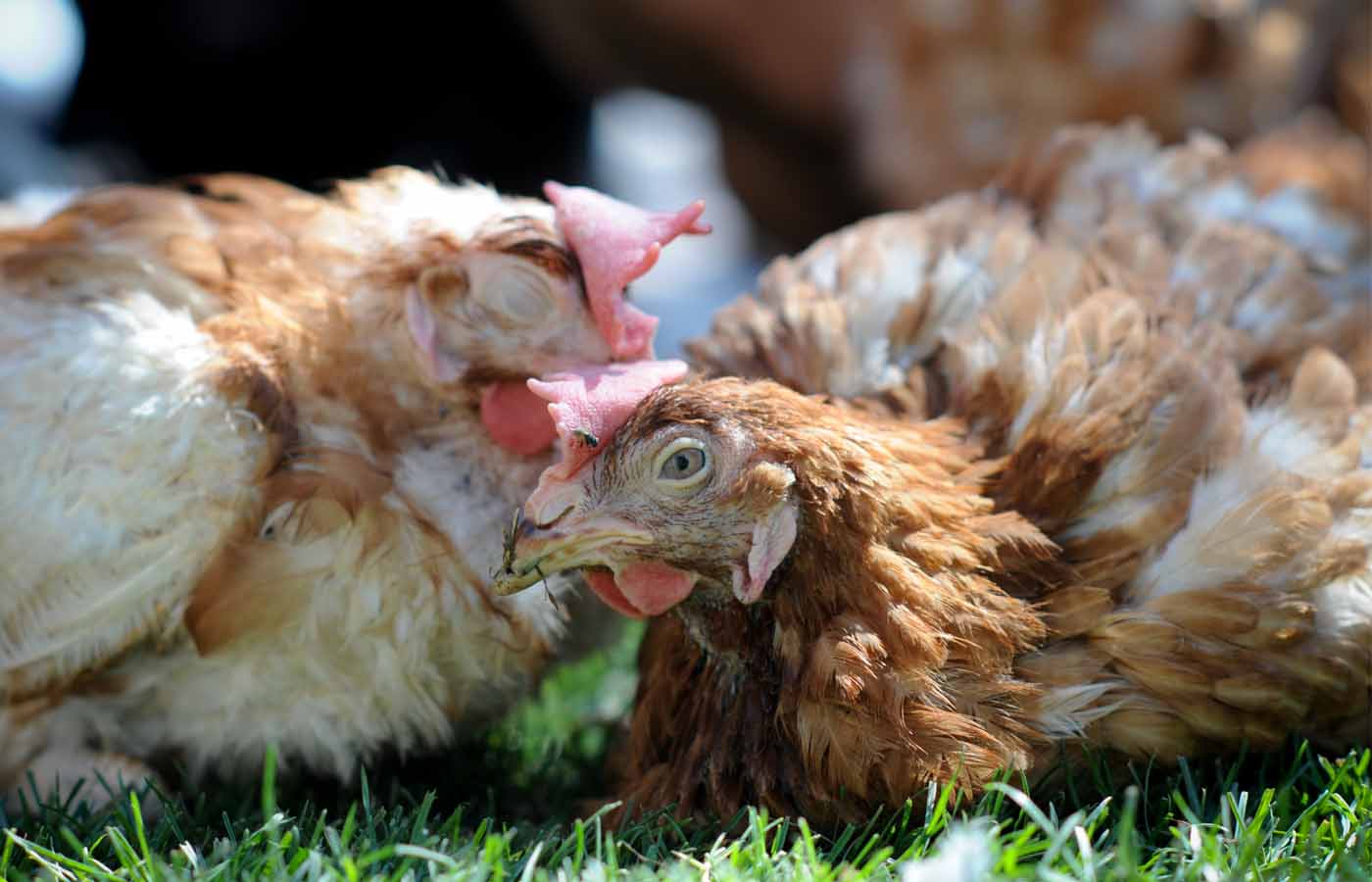
Each chicken has less than the space of a single sheet of A4 paper to live in on a typical UK egg farm. You can save chickens from a life of misery by replacing eggs in your meals with plant-based alternatives.